TLP:CLEAR · Disclosure is not limited.
Venezuela: Political Stasis, TPS Expiry and Rising Domestic Pressure
Time window: Last 7 days · Audience: General analyst · Type: Situation report · DTG: 2026-10-06 16:11Z · Overall confidence: MEDIUM
BLUF
As of 6 October, Delcy Rodríguez remains in office without an announced election date, despite renewed election language and a reported release of 39 political prisoners on 3 October. Immediate pressure points include the expiry of TPS for approximately 605,000 Venezuelans in the US and electricity-linked protests; OFAC’s latest Federal Register notice records licences already posted online, not unrestricted sanctions relief.
Executive summary
The Rodríguez government has not set an election date nine months after Nicolás Maduro’s removal. Rodríguez has called for reform of the hate speech law, while Venezuelan NGOs and political parties have demanded its repeal. Foro Penal reported 927 people accused under the law since 2017, including six still detained and 638 under restrictive liberty measures; Cecodap reported 118 minors charged in 2024 and 2025. Separately, OVCS recorded more than 4,000 demonstrations in the first eight months of 2026, with electricity failures among the leading demands. In the US, TPS for approximately 605,000 Venezuelans expired on 2 October, and the Supreme Court vacated a Ninth Circuit ruling against the government on 5 October and sent the case back. OFAC’s 30 September Federal Register notice published seven Venezuela general licences that had already appeared on its website. Reporting on a US-Venezuela oil arrangement remains inconsistent on its date and operating structure.
Change from previous assessment
Since the 5 October prior brief, the main additions are the 5 October Supreme Court action following the 2 October TPS expiry, the reported release of 39 political prisoners, and new reporting on hate-law reform and electricity-linked protest activity. The assessment that Rodríguez remains in office without a known transition timetable is retained. The OFAC notice adds documentary detail on GLs 52 through 58, but those licences were already available online, so the notice is not treated as a new sanctions opening. Confidence in the reported oil arrangement’s date and structure is lowered because the accounts conflict. Initial judgments on David Rivera’s sentence are not revised by the current developments.
Key judgments
- Very likely, Delcy Rodríguez will remain Venezuela’s acting president through 6 January 2027 without a published national election date. The government has not set a date, and Rodríguez has said Venezuelans will decide when elections take place. (Confidence: medium · ASSESSED)
- I&W: CONFIRM if the acting government has not published a national election date by 6 January 2027; BREAK if it publishes a dated election calendar before then. (1-3 months)
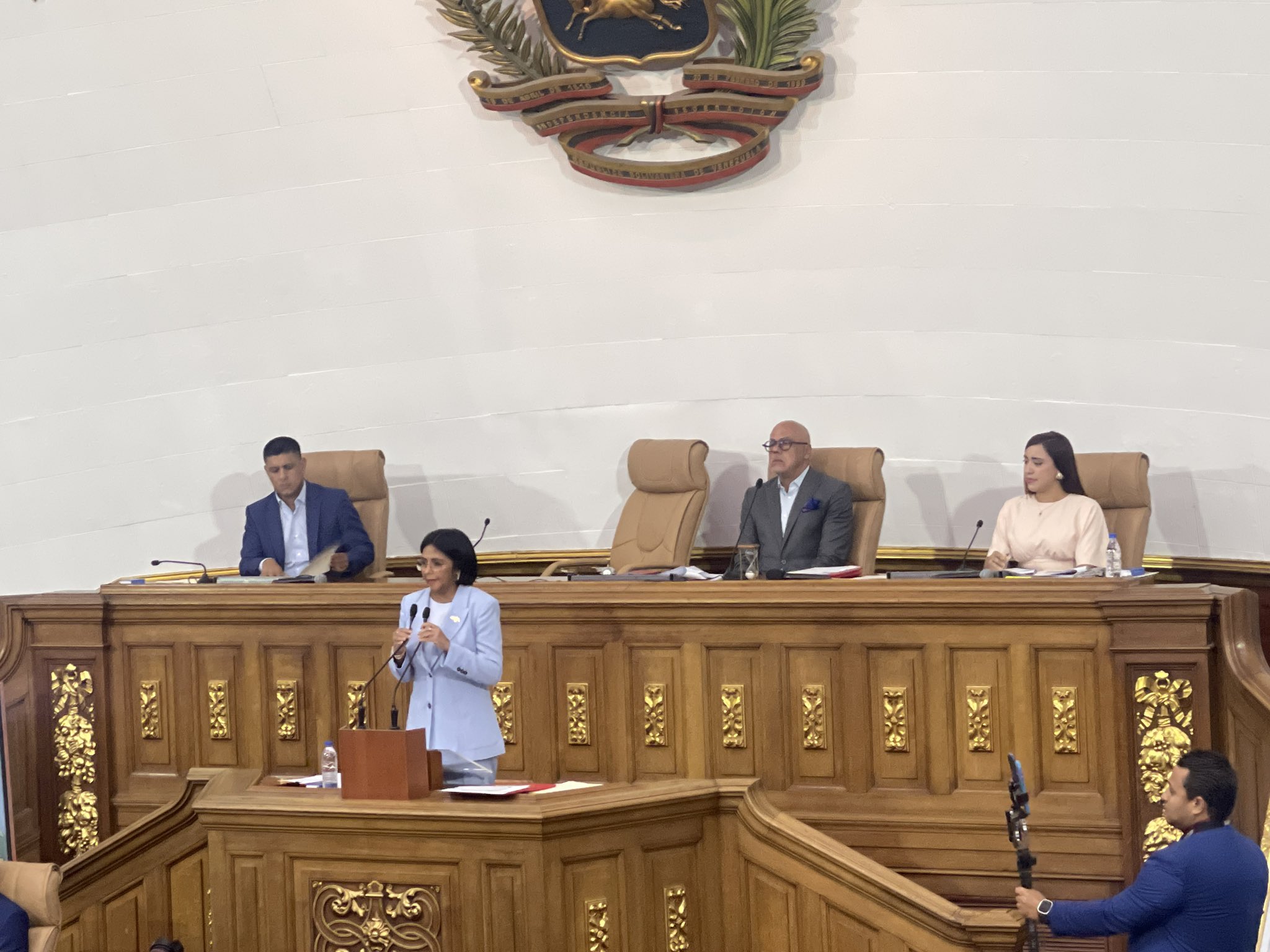
- Likely, Rodríguez’s requested reform of the hate speech law will remain contested and will not resolve existing cases within the next three months. NGOs and political parties demand repeal, while Foro Penal reports six people accused under the law remain detained and 638 have restrictive liberty measures. (Confidence: medium · ASSESSED)
- I&W: CONFIRM if the National Assembly publishes a reform draft without provisions to close existing cases or remove restrictions; BREAK if an enacted reform closes hate-law cases or authorities release the people reported detained under the law. (0-3 months)
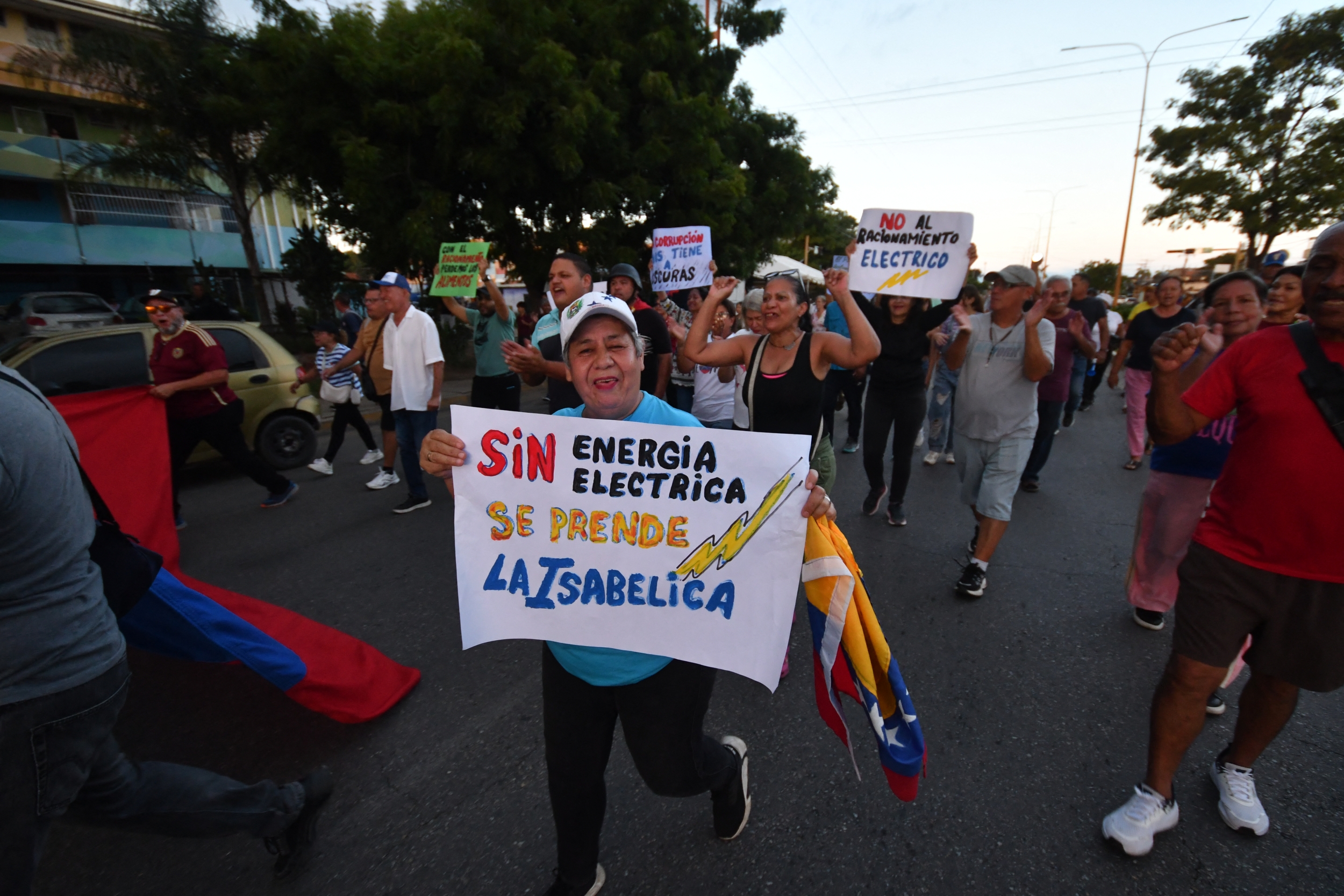
- Likely, electricity failures will continue to drive local protest activity in Venezuela over the next one to three months. OVCS recorded more than 4,000 demonstrations in the first eight months of 2026, reported an August average of 22 demonstrations per day, and identified electricity failures among the primary demands. Residents of San Joaquín, Carabobo state, blocked the Autopista Regional del Centro on 30 September. (Confidence: medium · ASSESSED)
- I&W: CONFIRM if OVCS continues to identify electricity failures among leading protest demands and reports outage-linked road blockades; BREAK if its October reporting shows electricity is no longer a primary demand and records no outage-linked blockades. (0-1 month)
- The reported release of 39 political prisoners on 3 October is a limited concession, not evidence by itself of a broader political opening. This assessment rests on a single report from a source of unknown reliability, and the government still has no announced election date. (Confidence: low · ASSESSED)
- I&W: BREAK if independent rights monitors verify a wider release programme or a general amnesty; CONFIRM if the reported release remains limited to 39 people and no broader measure is announced. (0-1 month)
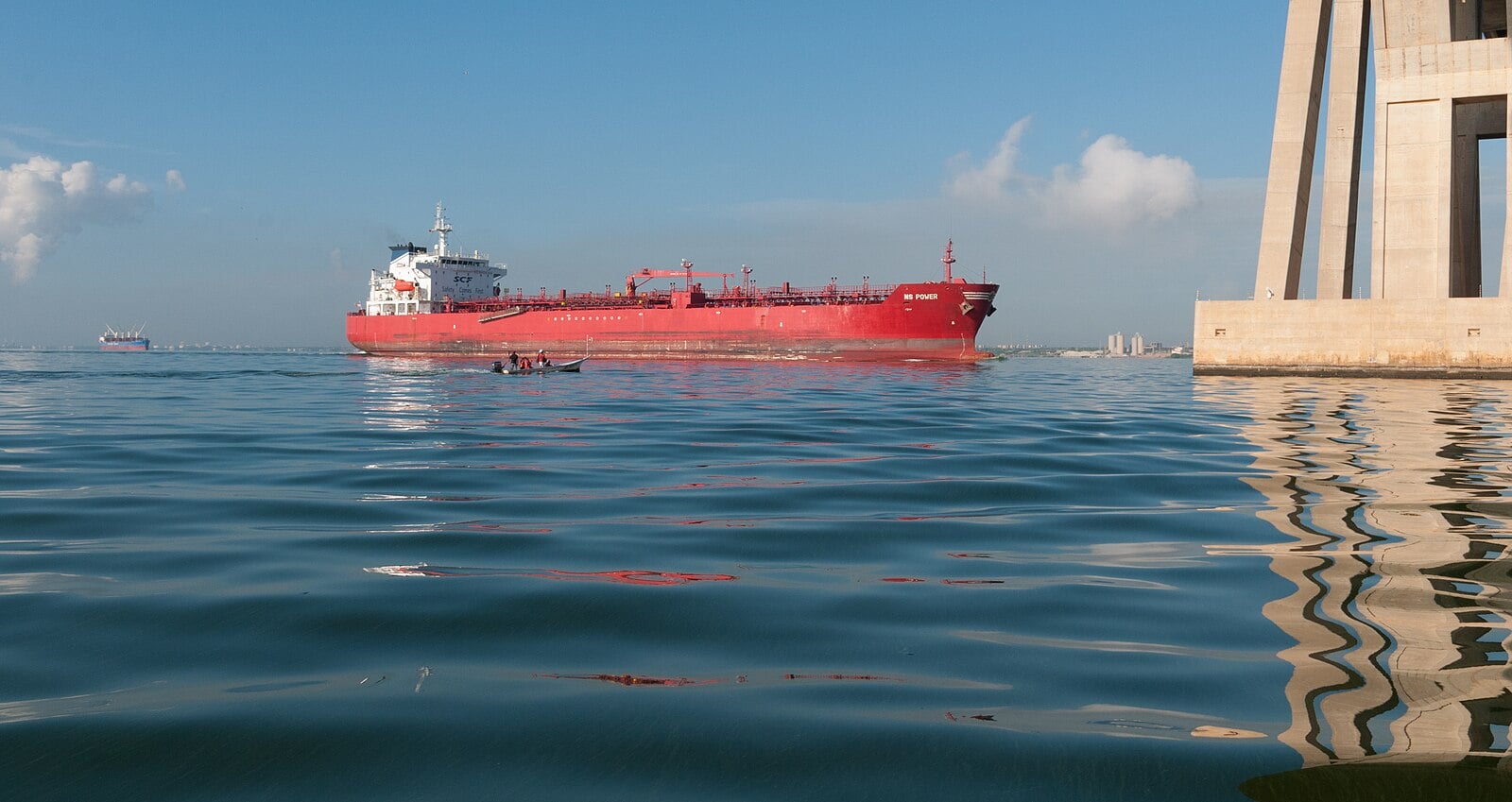
- The reported US-Venezuela oil arrangement’s signing date and operating structure remain unresolved. One account describes 100-year concessions to NABEP over 17 oil fields, while other accounts describe US purchase and management rights; the reported signing dates differ between 28 and 31 August. (Confidence: low · REPORTED)
- I&W: CONFIRM if no authoritative agreement text identifies the signing date, contracting parties and allocation of operating rights; BREAK if the US or Venezuelan government publishes terms resolving those differences. (0-1 month)
- OFAC’s 30 September Federal Register notice published seven Venezuela general licences, GLs 52 through 58, that had already been available on OFAC’s website. The cited terms establish conditional authorisations, including GL 52 transactions involving PdVSA entities by established US entities and GL 53 services for Venezuelan official missions in the US; they do not establish a general sanctions rollback. (Confidence: medium · REPORTED)
- I&W: CONFIRM if OFAC retains GL 52’s established-entity and transaction-reporting conditions; BREAK if OFAC publishes an amendment removing those conditions or authorising a materially broader class of transactions. (0-3 months)
- Likely, approximately 605,000 Venezuelans will face continued uncertainty over their US TPS status in the near term. TPS expired on 2 October, and on 5 October the Supreme Court vacated a Ninth Circuit ruling against the government and sent the case back. (Confidence: medium · ASSESSED)
- I&W: CONFIRM if no court order restores TPS protections by 20 October; BREAK if a court order or government notice restores those protections before then. (0-14 days)
Outlook & scenarios
Managed continuity without an election timetable (55%)
Through early January, Rodríguez remains acting president and the government does not publish an election date. US-Venezuela engagement continues through existing, conditional authorisations, while the reported release of 39 prisoners remains a limited concession.
Limited political concessions (20%)
The National Assembly advances a hate-law reform and the government releases additional detainees. These steps reduce some immediate pressure but do not produce a national election calendar or resolve the opposition’s demand to repeal the law.
Protest pressure rises around electricity (20%)
Electricity failures remain a leading protest demand. Local demonstrations and road blockades recur, including on major routes such as the Autopista Regional del Centro, adding pressure on the Rodríguez government to present a concrete power-sector response.
Wildcard: oil agreement dispute disrupts engagement (5%)
A high-impact dispute develops if official terms fail to resolve whether NABEP holds 100-year concessions over 17 oil fields or the US has direct purchase and management rights. The competing descriptions become a political flashpoint, and cooperation on the reported arrangement stalls.
Recommendations
- Track official statements from Delcy Rodríguez and the National Assembly for a dated election calendar. Record whether any announced schedule includes a specific polling date and a public transition timetable.
- Obtain and compare the text of any hate-law reform with the reported number of open cases, detainees and restrictive liberty measures. Seek independent confirmation of the reported 39 releases before treating them as evidence of a wider opening.
- Maintain a weekly record of OVCS protest counts, electricity-related demands and road blockades. Flag renewed closures of the Autopista Regional del Centro and other named routes.
- Monitor Supreme Court and lower-court actions and government notices on TPS through 20 October, distinguishing the 2 October expiry from any later change in legal protections for Venezuelans in the US.
- Request authoritative US and Venezuelan documentation of the reported oil arrangement. Verify its signing date, parties, field rights and operating authority before using it to assess the scope of sanctions relief.
Confidence & uncertainty
Confidence is medium because the sanctions notice is supported by an official regulatory publication and the TPS action by legal and major-media reporting, while protest and hate-law figures are attributed to named monitoring and rights organisations. The reported release of 39 prisoners comes from a source of unknown reliability. Accounts of the oil arrangement conflict over both date and control structure, and reporting differs in its description of Maduro’s capture.
Intelligence gaps
- [EEI 1.1 · PARTIAL] Official or verifiable reporting of Maduro's location and movements (presidential appearances, travel manifests, security footprint changes) within specific dates and locations. Recommended collection: open-source
- [EEI 1.2 · UNCOVERED] Public resignations, defections, detentions, or disciplinary actions naming specific senior military, intelligence, or police officers (name, rank, unit, date, supporting evidence). Recommended collection: open-source/social media
- [EEI 1.3 · PARTIAL] Published orders, decrees, or personnel lists showing promotions, reassignments, or purges within the National Bolivarian Armed Forces, National Guard, or presidential protection units (document or official gazette reference). Recommended collection: open-source/diplomatic
- [EEI 1.4 · PARTIAL] Arrests, detentions, or restrictions on movement of named opposition leaders or political figures with detention location, custody authority, and detention conditions reported. Recommended collection: human/local media
- [EEI 2.1 · PARTIAL] Verified protest activity by location and estimated turnout (street-level counts, police reports, hospital/ambulance logs, timestamped geolocated photos or videos) on specified dates. Recommended collection: social media/open-source
- [EEI 2.2 · UNCOVERED] Documented lists or communications naming regional protest coordinators, strike organizers, or logistics nodes (transport bookings, fuel/food supply movements) tied to opposition plans. Recommended collection: social media/human
- [EEI 2.3 · UNCOVERED] Financial movements to opposition-controlled organizations or individuals above defined thresholds (bank transfers, wire records, large cash seizures, crypto wallet transfers with timestamps and amounts). Recommended collection: financial/forensic
- [EEI 2.4 · UNCOVERED] Public formation or activation of alternative governance bodies by the opposition (declared councils/ministries, named members, declared headquarters or offices) with supporting documentation or announcements. Recommended collection: open-source/diplomatic
- [EEI 3.1 · UNCOVERED] Crude oil and refined product export volumes from Venezuelan ports by vessel (AIS-identified tankers), including flagged destinations and any ship-to-ship transfer events, by week. Recommended collection: maritime/AIS
- [EEI 3.2 · UNCOVERED] Notices of correspondent banking relationship changes for PDVSA, the Central Bank of Venezuela, or other state entities (account freezes, closures, new bank signings) with bank names and dates. Recommended collection: economic/finance
- [EEI 3.3 · UNCOVERED] Detected arrivals/deployments of foreign military personnel, equipment, or advisory teams (air/sea container manifests, port calls with cargo descriptions, geolocated imagery of military assets) originating from Russia, Cuba, Iran, or other external supporters. Recommended collection: imagery
- [EEI 3.4 · UNCOVERED] Export records or interdictions showing volumes and destinations of gold, diamonds, or other high-value commodities linked to state entities or proxies (customs manifests, seized shipments, buyer identities). Recommended collection: economic/finance
Cited sources
[1] Latin Times · Venezuela's Lights Keep Going Out — and So Does the Government's Credibility (B) · 5 October 2026 · sha256:d18a82ec263c [2] Latin Post · Nine Months After Maduro’s Capture, Venezuela Still Has No Elections — and Machado Is Pressing the Army to Act (B) · 6 October 2026 · sha256:357753e795c7 [3] The Rio Times · Venezuela Geopolitics Explained 2026 (C) · 6 October 2026 · sha256:5866fd02c175 [4] Efecto Cocuyo · Cecodap: 118 adolescentes fueron acusados por delitos de odio entre 2024 y 2025 – Efecto Cocuyo (B) · 5 October 2026 · sha256:9a9e36e6c273 [5] Efecto Cocuyo · Foro Penal: Más de 900 personas han sido acusadas de incitar al odio desde 2017 – Efecto Cocuyo (D) · 30 September 2026 · sha256:c36f064281ef [6] irinsider.org · US-Venezuela Oil Deal Tests Venezuela’s Democratic Transition — IR Insider (F) · 6 October 2026 · sha256:31202a016bc0 [7] U.S. Department of the Treasury, Office of Foreign Assets Control (Federal Register) · Federal Register, Volume 91 Issue 188 (Wednesday, September 30, 2026) (A) · sha256:c58aa611f3b5
Source content hashes were computed at collection time; the cited text is preserved unmodified for the life of this product.
Red cell review: CONCUR WITH COMMENT
TLP:CLEAR