TLP:CLEAR · Disclosure is not limited.
Venezuela: Political Transition, Security Reporting and Sanctions
Time window: Last 7 days · Audience: General analyst · Type: Situation report · DTG: 2026-11-07 16:12Z · Overall confidence: HIGH
BLUF
Venezuela’s post-capture transition remains unsettled: Delcy Rodríguez is reported as interim president while Nicolás Maduro remains imprisoned in the United States, and María Corina Machado has returned to public political activity. New reporting attributes a 30 October strike on an ELN camp in Apure to the US military, but Caracas’s role and the reported death toll remain unverified; the latest sanctions reporting chiefly concerns Cuban shipping.
Executive summary
María Corina Machado returned to Venezuela in late October and visited families of political prisoners at El Rodeo on 6 November. A dialogue process involving Rodríguez’s interim government and National Assembly president Dinorah Figuera is reported to exclude Machado’s party, Vente Venezuela, while protesters continue to demand a presidential election date. Foro Penal reports 322 political prisoners remain detained; Machado presented a list of 406 cases and said it was incomplete, so the figures are not a reconciled count. Reporting on a 30 October US strike against an ELN camp in Apure differs over the Venezuelan government’s involvement, and Fundaredes’ reported toll of 23 deaths lacks independent confirmation. Washington’s 6 November sanctions targeted Cuban-linked shipping, while a separate claim about an amended Venezuela general licence lacks detail. Power outages remain a reported source of public protest and industrial disruption.
Change from previous assessment
Since the 6 November 2026 prior brief, new reporting provides a more specific account of US military participation in a 30 October strike on an ELN camp in Apure, while leaving Venezuelan government involvement and the death toll unresolved. Reporting now attributes SOFA negotiations to the US State Department, but does not establish an agreement or continuing deployment; the assessment that an enduring US presence is unproven remains, with low confidence. Machado’s 6 November visit to families at El Rodeo adds a new public focus on political prisoners, with reported counts of 322 and 406 that are not reconciled. This brief also records new Cuba-linked shipping sanctions and September protest reporting tied to power outages.
Key judgments
- It is likely Nicolás Maduro remains imprisoned in the United States and Delcy Rodríguez holds the interim presidency following his 3 January 2026 capture, but reporting does not establish a settled authority structure across the chavista bureaucracy, security bodies, courts and political networks. The continued activity of those institutions is reported; the extent of Rodríguez’s control over them remains unclear. (Confidence: medium · ASSESSED)
- I&W: A published order from Rodríguez defining her authority over named security bodies and courts would weaken the assessment that executive control remains unsettled. (0-30 days)
- I&W: Conflicting public orders from Rodríguez and a named security body would confirm that authority remains contested. (0-30 days)
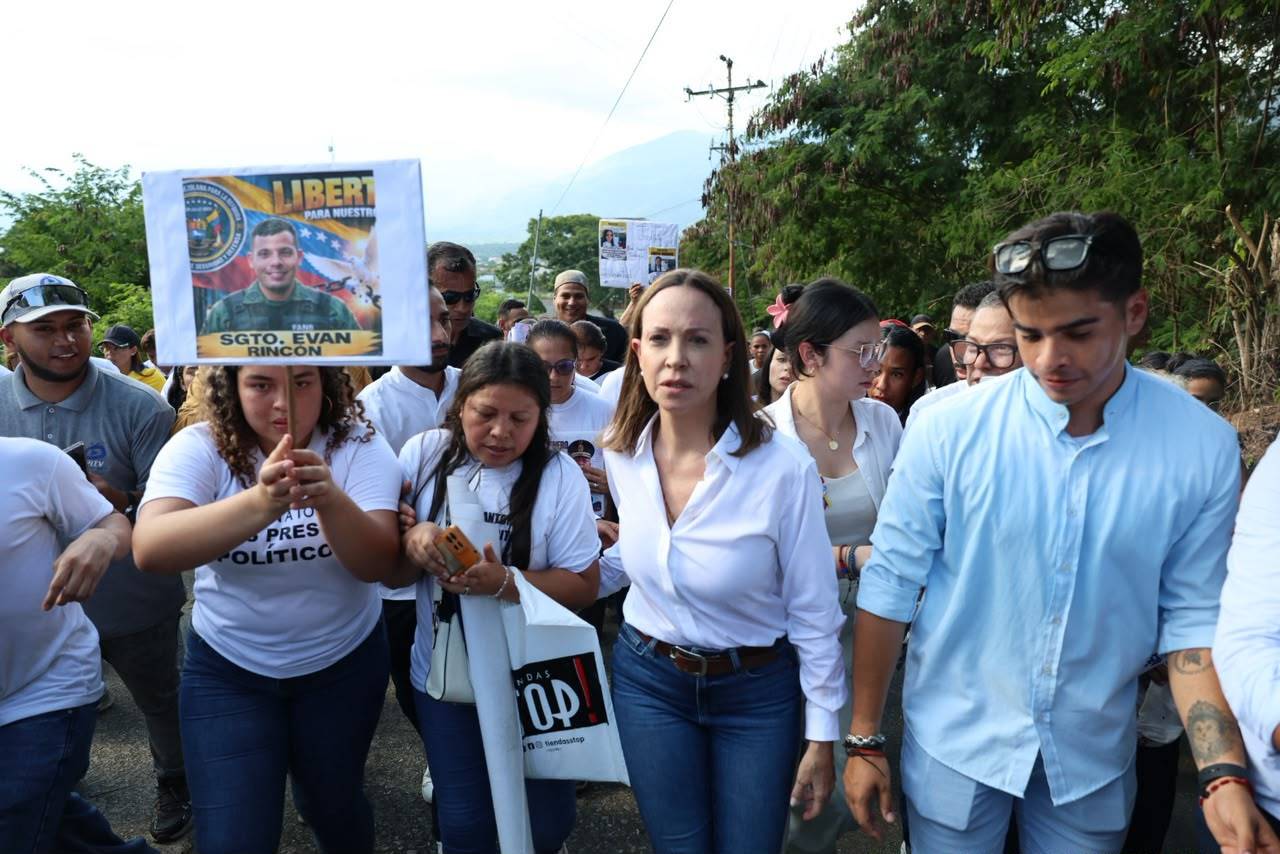
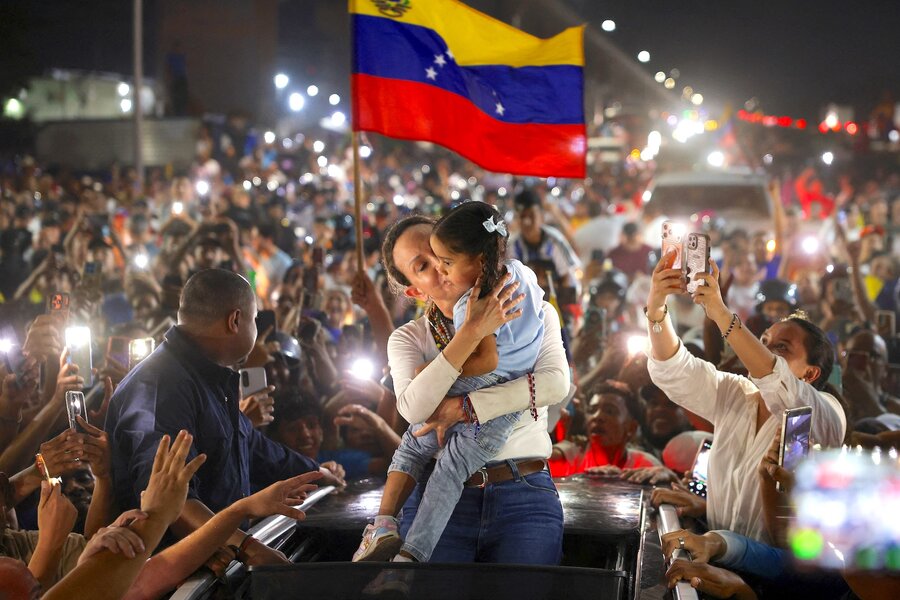
- It is very likely Machado has re-established a visible public role in Venezuela. Reports place her return and movements on 25 and 26 October, and describe thousands welcoming her in the streets; on 6 November she visited families of political prisoners at El Rodeo and read a list of 406 cases. The one-day difference in reports of her return does not change the assessment of her renewed public activity. (Confidence: high · ASSESSED)
- I&W: A published itinerary or further public appearances by Machado outside Caracas would confirm that she is sustaining her domestic political activity. (0-30 days)
- I&W: A documented detention or formal restriction preventing Machado from attending public events would break the assessment that she can maintain a visible role. (0-30 days)
- It is likely the transition dialogue remains limited and the presidential election timetable unsettled. One NGO account says Rodríguez’s interim government has negotiated with Dinorah Figuera since August without representation from Vente Venezuela; a separate report says protesters have demanded a firm election date. The dialogue was reported as scheduled to reconvene between 11 and 15 November 2026. The account of Vente Venezuela’s exclusion rests on thin, single-source reporting. (Confidence: low · ASSESSED)
- I&W: Publication of an official presidential election calendar would break the assessment that the timetable remains unsettled. (0-30 days)
- I&W: A published dialogue agenda naming Vente Venezuela as a participant would weaken the assessment that the process remains exclusive. (0-30 days)
- It is likely announced prisoner releases have not resolved the political-detention issue. Foro Penal reports 322 political prisoners remain detained, while Machado read a list of 406 cases at El Rodeo and said it did not cover every detention; families also report that hundreds remain imprisoned. These figures come from different reporting and should not be treated as a single verified count. (Confidence: medium · ASSESSED)
- I&W: Publication of a dated government release list that can be reconciled with Foro Penal’s records would weaken the assessment that releases have not resolved the issue. (0-30 days)
- I&W: A new Foro Penal count or documented cases of detainees missing from official records would confirm continuing gaps in the detention picture. (0-30 days)
- It is likely the US military participated in the 30 October attack on an ELN camp in Apure. A New York Times report cited four US officials on US participation in a drone and helicopter attack; a separate Wall Street Journal report described Venezuelan government cooperation. That difference leaves Caracas’s role unresolved. Fundaredes raised the reported death toll from 19 to 23, but the available reporting does not independently establish that figure. (Confidence: medium · ASSESSED)
- I&W: A public statement from the US or Venezuelan government confirming or denying operational cooperation would clarify the reported division of roles. (0-14 days)
- I&W: A second independently sourced casualty list identifying victims of the Apure strike would strengthen or challenge Fundaredes’ toll of 23. (0-30 days)
- It is unlikely the available reporting establishes an enduring US military presence in Venezuela or a concluded Status of Forces Agreement. One secondary report says Southern Command deployed nearly 2,000 troops after the 24 June earthquakes, berthed USS Fort Lauderdale at La Guaira and placed personnel in the Maiquetía airport control tower; the same reporting attributes SOFA negotiations to the New York Times. It does not establish that the deployment continues or that an agreement has been signed, so confidence is low. (Confidence: low · ASSESSED)
- I&W: Publication of a signed agreement or an official US or Venezuelan statement confirming an active deployment would break the assessment that an enduring presence is not established. (0-30 days)
- I&W: A documented end to the deployment at La Guaira and Maiquetía, with no agreement announced, would confirm the assessment. (1-3 months)
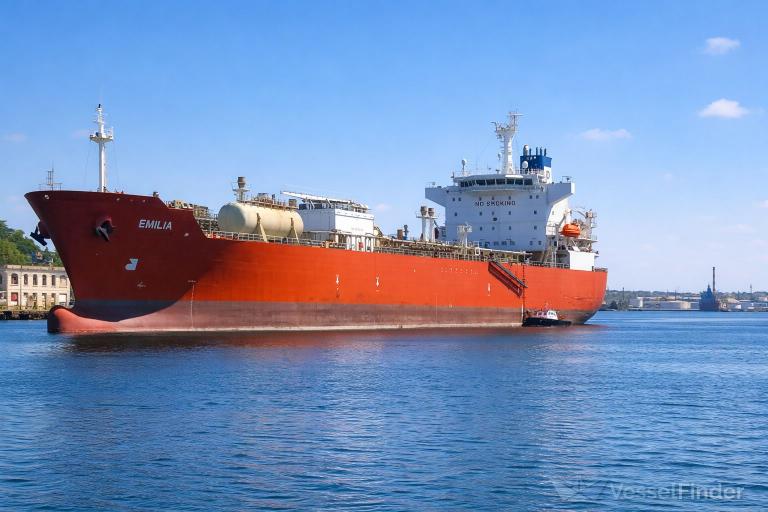
- It is likely Washington’s 6 November action tightened pressure on Cuba-linked petroleum shipping rather than signalling a broad change to Venezuela sanctions. Trade reporting names Caroil Transport Marine, Petromarca and five vessels; accounts differ in how they describe the number of companies targeted. Caroil had previously been sanctioned under Venezuela-related measures. A separate claim that OFAC amended a Venezuela general licence on 4 November comes from social media and does not establish the licence’s scope. (Confidence: medium · ASSESSED)
- I&W: The primary State Department designation list would confirm the entities and vessels covered by the 6 November action and resolve the conflicting counts. (0-14 days)
- I&W: Publication of the full 4 November Venezuela general licence and its related FAQ would confirm whether the reported change affects permitted activity. (0-14 days)
- It is likely electricity shortages remain a material source of public grievance and industrial disruption. The Venezuelan Observatory of Social Conflict counted 1,101 protests in September, including 531 over power outages. Conindustria reported that manufacturers averaged 214 hours without electricity and 57 unscheduled cuts during the second quarter of 2026. The industrial figures come from a blog report and have less independent corroboration. (Confidence: medium · ASSESSED)
- I&W: The next published monthly protest count showing 531 or more demonstrations linked to power outages would confirm that electricity remains a leading protest issue. (1-3 months)
- I&W: A subsequent Conindustria survey reporting a marked fall from 214 outage hours or 57 unscheduled cuts would weaken the assessment of persistent industrial disruption. (1-3 months)
Outlook & scenarios
Managed but incomplete transition (55%)
The likely near-term path is continued dialogue between Rodríguez’s interim government and Dinorah Figuera without a published presidential election date or formal Vente Venezuela participation. Machado continues public campaigning around political prisoners, while authorities announce some releases but do not provide a detention account that reconciles the reported figures.
Broader political opening (30%)
An unlikely path is a wider dialogue that includes Vente Venezuela, produces a public election timetable and is accompanied by verifiable prisoner releases. Machado’s return and public activity would then feed into a more inclusive transition process rather than remaining a source of pressure outside the talks.
US-Venezuela security escalation (15%)
An unlikely, high-impact path is a signed Status of Forces Agreement followed by a sustained US deployment or renewed strikes in Venezuela. The reported Apure operation and reported SOFA discussions make this a relevant contingency, but the current reporting establishes neither a signed agreement nor a continuing deployment.
Recommendations
- Track the dialogue reported for 11 to 15 November 2026. Record whether its agenda includes Vente Venezuela and whether an official presidential election date is announced.
- Do not use the figures of 322 and 406 as interchangeable prisoner totals. Seek dated release lists and compare them with Foro Penal’s count and documented family reports.
- Treat US participation in the 30 October Apure strike as likely but not fully established. Report the alleged Venezuelan government cooperation separately, and do not present the toll of 23 as independently confirmed.
- Verify the reported Status of Forces Agreement negotiations and any current deployment against official US and Venezuelan statements before assessing an enduring US presence.
- Obtain the primary State Department designation list for the 6 November Cuba-related action and the full text of the reported 4 November Venezuela general licence. Keep Cuba shipping sanctions distinct from Venezuela-specific licensing.
- Track monthly protest counts attributed to power outages and the next Conindustria outage figures to assess whether electricity disruption is sustaining public mobilisation and industrial losses.
Confidence & uncertainty
Overall confidence is high for the broad situation picture because Machado’s return and public activity, mobilisation around political prisoners, and the 6 November Cuba-linked sanctions are reported across multiple outlets and source types. Confidence is lower on the Apure casualty figure, the extent of Venezuelan government involvement in that strike, the current status of US deployments and the scope of the reported Venezuela general licence. The prisoner counts also differ and are not a reconciled census.
Alternative analysis (red cell)
The 6 November action may represent a broader Cuba-focused maritime or sectoral sanctions expansion rather than merely tighter enforcement against Cuba-linked petroleum shipping. Claims, and fa2a646d-3556-4712-912b-cbf04e281efa point to a wider reading, while the conflicting entity counts in a70a454b-e88c-4651-a587-1941598bedfb and 9ab178ac-8a0c-4ce3-9a6c-50ea8de9a663 prevent a firm characterization of the policy's scope. The available record therefore does not clearly support the judgment's contrast with a broader Venezuela-sanctions change.
Intelligence gaps
- [EEI 1.1 · PARTIAL] Official or verifiable reporting of Maduro's location and movements (presidential appearances, travel manifests, security footprint changes) within specific dates and locations. Recommended collection: open-source
- [EEI 1.2 · UNCOVERED] Public resignations, defections, detentions, or disciplinary actions naming specific senior military, intelligence, or police officers (name, rank, unit, date, supporting evidence). Recommended collection: open-source/social media
- [EEI 1.3 · UNCOVERED] Published orders, decrees, or personnel lists showing promotions, reassignments, or purges within the National Bolivarian Armed Forces, National Guard, or presidential protection units (document or official gazette reference). Recommended collection: open-source/diplomatic
- [EEI 1.4 · PARTIAL] Arrests, detentions, or restrictions on movement of named opposition leaders or political figures with detention location, custody authority, and detention conditions reported. Recommended collection: human/local media
- [EEI 2.2 · UNCOVERED] Documented lists or communications naming regional protest coordinators, strike organizers, or logistics nodes (transport bookings, fuel/food supply movements) tied to opposition plans. Recommended collection: social media/human
- [EEI 2.3 · PARTIAL] Financial movements to opposition-controlled organizations or individuals above defined thresholds (bank transfers, wire records, large cash seizures, crypto wallet transfers with timestamps and amounts). Recommended collection: financial/forensic
- [EEI 2.4 · UNCOVERED] Public formation or activation of alternative governance bodies by the opposition (declared councils/ministries, named members, declared headquarters or offices) with supporting documentation or announcements. Recommended collection: open-source/diplomatic
- [EEI 3.1 · PARTIAL] Crude oil and refined product export volumes from Venezuelan ports by vessel (AIS-identified tankers), including flagged destinations and any ship-to-ship transfer events, by week. Recommended collection: maritime/AIS
- [EEI 3.2 · UNCOVERED] Notices of correspondent banking relationship changes for PDVSA, the Central Bank of Venezuela, or other state entities (account freezes, closures, new bank signings) with bank names and dates. Recommended collection: economic/finance
- [EEI 3.3 · PARTIAL] Detected arrivals/deployments of foreign military personnel, equipment, or advisory teams (air/sea container manifests, port calls with cargo descriptions, geolocated imagery of military assets) originating from Russia, Cuba, Iran, or other external supporters. Recommended collection: imagery
- [EEI 3.4 · UNCOVERED] Export records or interdictions showing volumes and destinations of gold, diamonds, or other high-value commodities linked to state entities or proxies (customs manifests, seized shipments, buyer identities). Recommended collection: economic/finance
Red cell review: PARTIAL DISSENT
TLP:CLEAR