Venezuela Situation Report: Post-Maduro Flux, Opposition Mobilization, and Enduring Risk (3-10 June 2026)
Time window: Last 7 days · Audience: General analyst · Type: Situation report · DTG: 2026-06-10 16:13Z · Overall confidence: MEDIUM
BLUF
Venezuela remains volatile after the 3 January 2026 removal of Nicolás Maduro: Acting President Delcy Rodríguez is courting external partners while opposition groups mount large, coordinated protests. Security and humanitarian conditions remain severe, and U.S. assistance to travelers is still limited even after the Caracas embassy’s March restart.
Executive summary
Following the 3 January 2026 U.S. operation that captured Nicolás Maduro and Cilia Flores, and their subsequent transfer to New York where they pleaded not guilty on 5 January, Delcy Rodríguez was sworn in as acting president on 5 January. Rodríguez advanced diplomatic outreach on 4 June by meeting India’s Prime Minister Narendra Modi in Hyderabad House and reaffirming a South, South cooperation agenda; a Fifth Mixed Commission with Türkiye is slated for November in Caracas. Domestically, authorities initiated a Regularization of Property program on 26 May and the CNE enabled a digital guide for community projects on 5 June; the Venezuelan military reported recovery of a Y8‑F200W transport aircraft on 5 June, and the Gran Misión Vuelta a la Patria repatriated 133 Venezuelans from Opa Locka, Florida, on 6 June. Opposition actors, including student leaders, labor unions, and parties, have called nationwide protests, with large demonstrations reported in Caracas and a march to the U.S. Embassy demanding free presidential elections. The U.S. resumed embassy operations in Caracas in March 2026, but Washington still warns of dangerous conditions, including violent crime, kidnapping, and poor health infrastructure, limited emergency assistance capacity (especially outside Caracas), and heightened risks at Maiquetía airport. Venezuela’s humanitarian emergency persists: the health system faces critical shortages; some hospitals lack water and electricity; hunger is reported in low‑income neighborhoods; and emigration reached roughly 7.7 million by 2024. Sanctions continue to shape the economic environment, tightened in 2017-2018, partially eased in October 2023, and largely reimposed in April 2024, with analyses estimating large cumulative losses, underscoring continued financial constraints.
Key judgments
- Governance is very likely consolidating under Acting President Delcy Rodríguez through diplomatic outreach and administrative signaling, but remains fragile. (Confidence: medium)
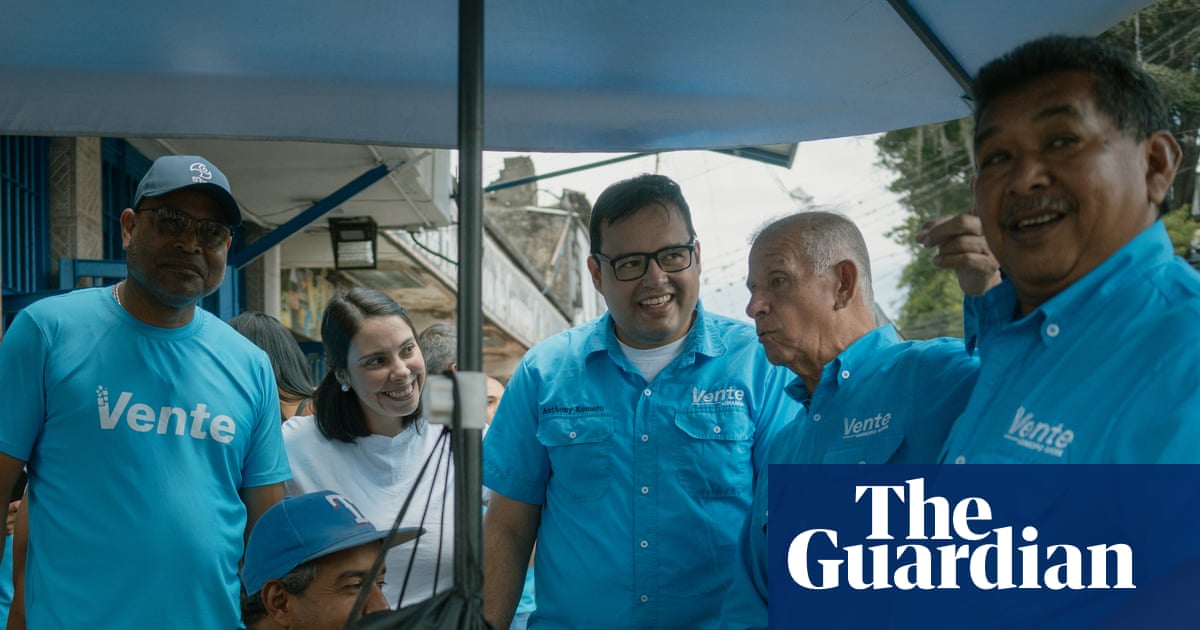
- Opposition mobilization is likely to intensify in June, elevating the risk of confrontations with security forces in Caracas and other urban centers. (Confidence: medium)
- Venezuela’s humanitarian crisis is very likely to persist and continue driving outward migration pressures over the near term. (Confidence: high)
- The operating environment for U.S. personnel and travelers is unlikely to improve quickly despite the March 2026 embassy restart; violent crime, kidnapping risks, and limited U.S. assistance capacity will persist. (Confidence: high)
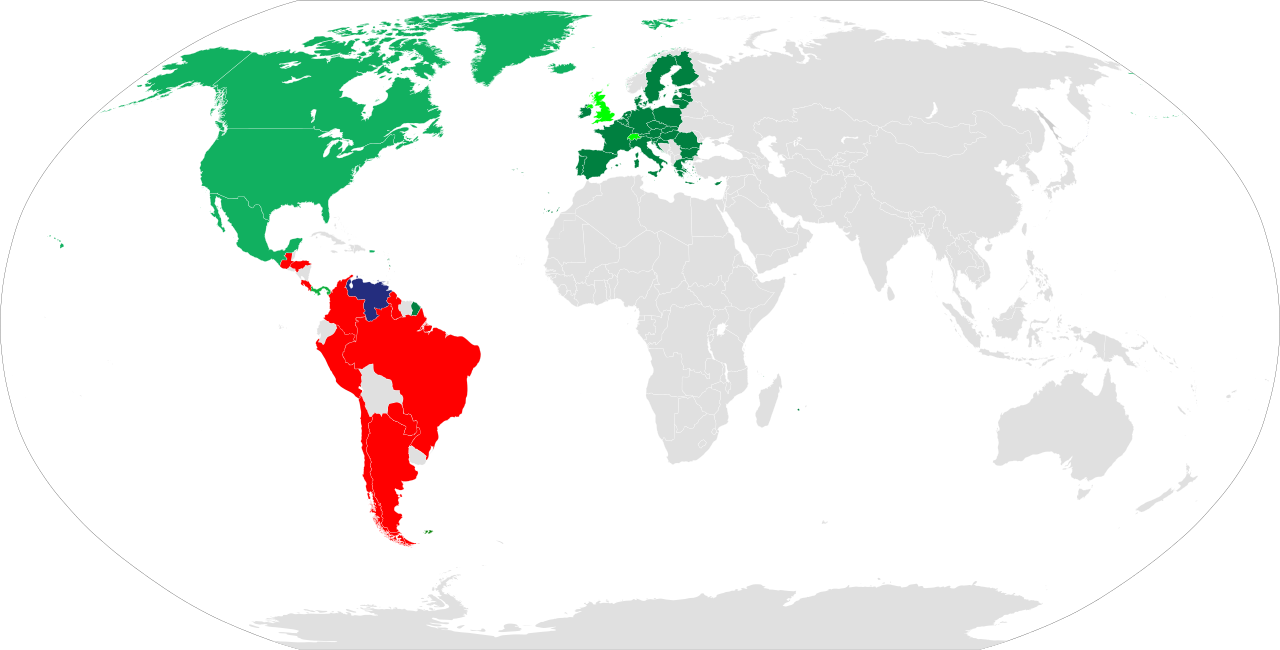
- Sanctions will likely continue to constrain state revenues and patronage networks despite episodic relief measures since 2023. (Confidence: high)
- The 3 January 2026 capture of Nicolás Maduro and Cilia Flores almost certainly remains the pivotal event structuring the current political landscape, though details rely largely on secondary reporting and warrant continued verification. (Confidence: medium)
Outlook & scenarios
Managed consolidation under Rodríguez, 55%
Caracas maintains control while showcasing administrative activity (property regularization, CNE initiatives) and external engagement (India, Türkiye). Demonstrations gradually lose momentum amid calibrated policing and messaging on repatriations. Humanitarian needs and crime remain acute, and sanctions keep growth constrained, but day‑to‑day governability holds.
Escalatory unrest and hardline response, 45%
Large, coordinated protests expand in Caracas and major cities, met by intensified detentions and crowd‑control tactics. Travel risks (including around Maiquetía airport) rise, and the embassy’s limited assistance capacity is further strained. Economic uncertainty and persistent shortages feed renewed emigration.
Negotiated opening with partial amnesty and an electoral roadmap, 25%
Authorities leverage prior amnesty signaling to offer limited detainee releases and venue for opposition engagement, aiming to reduce protest pressure and gain international standing. Sanctions relief remains conditional and modest, and service delivery constraints slow any stabilization dividend.
Wildcard: Border spillover disrupts internal stability, 15%
Deterioration along the Venezuela, Colombia frontier, amid criminal and armed‑group dynamics, triggers localized security incidents and travel restrictions that distract Caracas from domestic governance moves. The episode complicates protests management and increases cross‑border humanitarian flows.
Recommendations
- Stand up a near‑real‑time protest and security posture tracker for Caracas and other state capitals, integrating livestreams and geolocation to assess crowd size, routes, and security force deployments.
- Engage U.S. Embassy Caracas to clarify current consular capacity, movement constraints, and safe‑routing from Maiquetía airport; update traveler risk guidance and contingency evacuation planning accordingly.
- Task a sanctions watch to log designations, licenses, and compliance shifts; map likely effects on oil lifting, debt transactions, and state‑linked patronage nodes.
- Monitor Rodríguez’s foreign engagements (India and Türkiye) and follow‑on deliverables; assess prospects for trade, investment, or financing that can translate into near‑term budget support.
- Track implementation of the Regularization of Property initiative and CNE community‑project processes to identify political signaling versus material delivery at parish/communal levels.
- Build an indicators dashboard for humanitarian stress (health facility functionality, water/electricity outages, basic goods access) in high‑risk districts to anticipate protest flashpoints and migration surges.
- Increase collection on law enforcement and paramilitary crowd‑control patterns to refine escalation triggers, detention rates, and likely protester casualty risks.
- Prioritize validation of the 3 January 2026 capture and legal‑process timeline with primary legal filings and official releases to reduce reliance on secondary reporting.
Confidence & uncertainty
Overall confidence is medium. Security and humanitarian judgments are grounded in high‑reliability official advisories and corroborated major‑media reporting. Assessments on governance consolidation and diplomatic outreach draw on multiple but partly local and secondary sources. The central 3 January 2026 capture narrative is supported across several secondary claims yet lacks direct official confirmation in the provided set, lowering confidence on specific details. Sanctions analysis is well‑supported but reflects dynamic policy shifts (temporary relief versus reimposition), and protest reporting relies on multiple live and media sources with typical uncertainties on turnout and scope.
Cited sources
[1] Wikipedia, 2026 United States intervention in Venezuela (B) [2] Correo del Orinoco, [PDF] su rol en el contexto del Sur Global - Correo del Orinoco (D) · Fri Jun 05 2026 00:00:00 GMT+0000 (Coordinated Universal Time) [3] Correo del Orinoco, [PDF] Quinta Comisión Mixta con Türkiye - Correo del Orinoco (D) · Tue Jun 09 2026 00:00:00 GMT+0000 (Coordinated Universal Time) [4] Al Jazeera English, Venezuelans flood Caracas streets, demanding free elections. (A) [5] VERTEX, LIVE | Venezuela Opposition Calls for Massive Nationwide Protest Against Government | VERTEX (B) [6] DRM News, LIVE: Venezuela Opposition Calls for Massive Nationwide Protests Against Government | AC1G (B) [7] India Today Global, LIVE: Thousands Rally In Caracas As Venezuela Opposition Calls Nationwide Protests (B) [8] Geo News English, Demonstrations in Caracas as Venezuela opposition calls for nationwide protest | Geo News English (B) [9] The Guardian, Out of the shadows: Venezuela’s opposition emerges from hiding but remains on political sidelines (A) [10] U.S. Department of State, Venezuela Travel Advisory | Travel.State.gov (A) [11] Wikipedia, Crisis in Venezuela (B) [12] Wikipedia, Sanctions during the Venezuelan crisis (B) [13] United Nations, World News in Brief: Call for action against child labour, ICC Prosecutor suspended, WFP raises awareness in Egypt (A) [14] Wikipedia, Venezuela under Nicolás Maduro (B) [15] The Guardian, The vanishing of Nicolás Maduro: how the former dictator is being erased from Venezuela (A)