TLP:CLEAR · Disclosure is not limited.
Venezuela: Transition Talks, Protests and Oil Terms Remain Unsettled
Time window: Last 7 days · Audience: General analyst · Type: Situation report · DTG: 2026-10-29 16:08Z · Overall confidence: HIGH
BLUF
Venezuela’s transition remains unsettled: Washington has outlined institutional changes, but Delcy Rodríguez has not declared the presidency permanently vacant and no presidential election date is reported. On 28 October, police blocked a Caracas march and clashes injured protesters and a police officer; public accounts of US access to Venezuelan oil and the Angerona’s cargo remain inconsistent.
Executive summary
María Corina Machado returned to Venezuela on 25 October, following nationwide opposition protests on 22 October demanding an election date and the release of political prisoners. Washington’s reported transition plan centres on changes to the Supreme Tribunal of Justice and National Electoral Council, with a further round of talks scheduled for 11 to 15 November. The talks have not produced a reported election date. On 28 October, police blocked a march towards Miraflores Palace, clashes caused injuries and Diosdado Cabello warned of possible detentions. Reports also differ on the scale and terms of US-linked oil arrangements and on the Angerona’s cargo.
Change from previous assessment
Since the 28 October brief, the assessment that Machado returned and that no official election date has been set is unchanged. New reporting adds the proposed 32-judge selection committee, more detailed US plans for TSJ and CNE changes, and a reported 11 to 15 November talk schedule. It also adds the 28 October Caracas clashes and Cabello’s detention warning, UN experts’ renewed concern over website blocks, and Rodríguez’s stated intention to seek changes to the Law against Hatred. The oil picture remains unresolved, with additional conflicting descriptions of the Angerona cargo as a gift and as oil obtained through a US victory in a war with Venezuela.
Key judgments
- María Corina Machado is likely to remain publicly active in Venezuela over the next month. She announced her return on 25 October after more than ten months abroad and was filmed at Santa Rosa church in Barquisimeto; thousands of opposition supporters had protested in Caracas, Valencia, Maracaibo and other cities on 22 October. (Confidence: medium · ASSESSED)
- I&W: A public appearance, address or organised event by Machado inside Venezuela would confirm continued public activity. (0-14 days)
- I&W: Credible reporting that Machado has left Venezuela or been detained would break this assessment. (0-14 days)
- An official presidential election date is unlikely to be announced by 29 January 2027. No date is reported, Rodríguez has not declared the presidency permanently vacant, and the US-backed plan described in reporting places institutional changes before an election; its reported timetable also differs on the timing of a reconstituted court and the election window. (Confidence: medium · ASSESSED)
- I&W: A government or National Electoral Council announcement naming a presidential polling date would break this assessment. (0-3 months)
- I&W: The 11 to 15 November talks conclude without a published election calendar, supporting the assessment. (0-14 days)
- Negotiations are likely to remain focused on institutional and legal steps through the 11 to 15 November round, rather than immediate election scheduling. PSUV representatives led by Jorge Rodríguez and opposition factions linked to the 2015 National Assembly agreed to form a judicial selection committee tasked with proposing 32 judges; the US plan described in reporting also prioritises changes to the TSJ and CNE. (Confidence: medium · ASSESSED)
- I&W: The 11 to 15 November round proceeds and addresses the judicial selection committee or TSJ and CNE changes, confirming this focus. (0-14 days)
- I&W: The talks are cancelled or postponed, or negotiators announce a presidential election calendar as their immediate priority, breaking this assessment. (0-14 days)
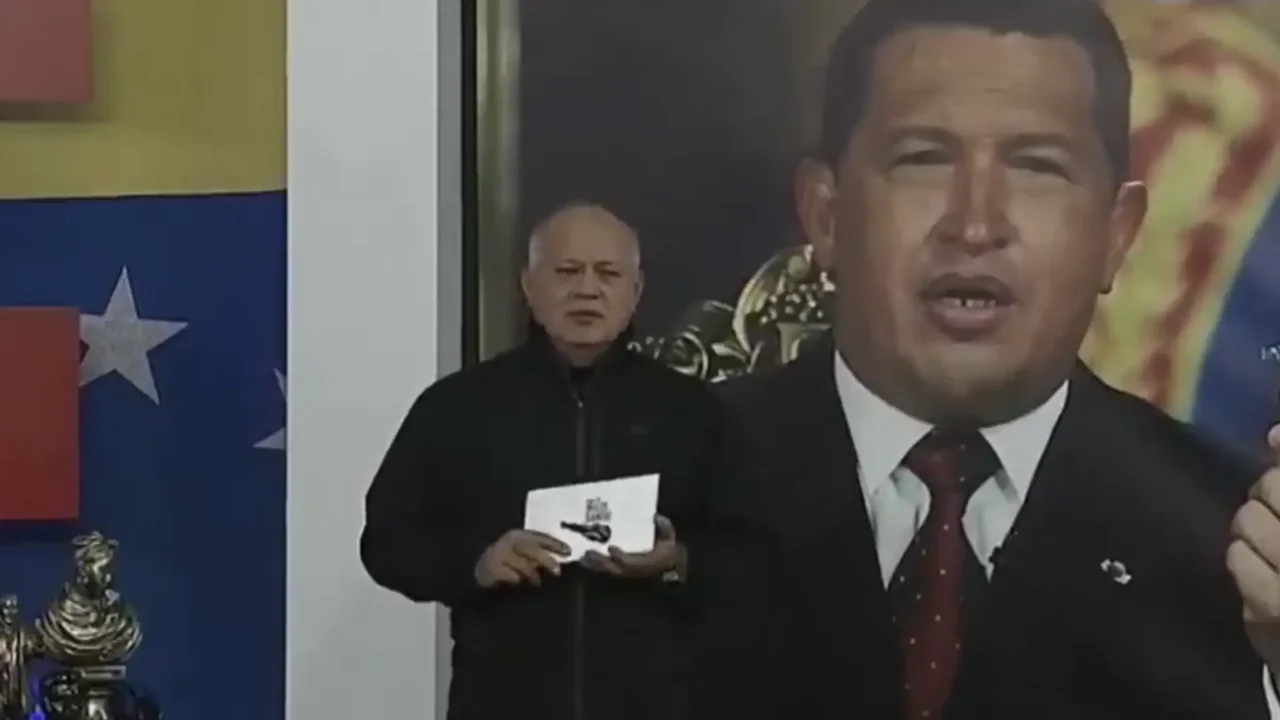
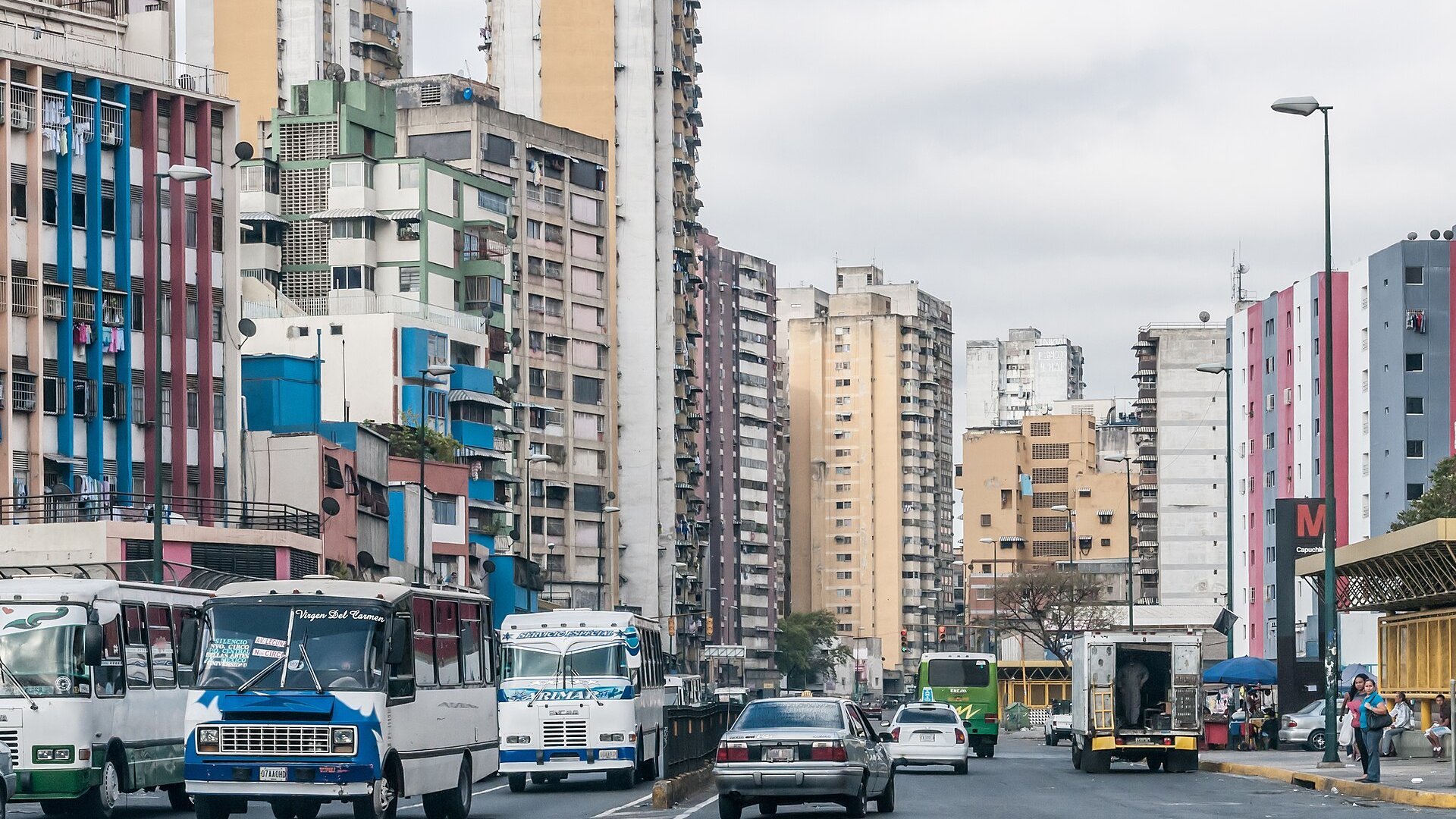
- Caracas authorities are likely to continue restricting protest marches and warning of detentions in the near term, although the available reporting does not establish a wider escalation. A single report describes the Bolivarian National Police blocking a 28 October march from Plaza La Candelaria towards Miraflores Palace, clashes that injured protesters and a police officer, and Cabello’s warning of possible detentions. The incident and warning are reported by one outlet, so confidence is low. (Confidence: low · ASSESSED)
- I&W: Police block a further Caracas march or authorities detain participants, confirming continued restrictions. (0-14 days)
- I&W: A comparable march reaches its declared destination without police obstruction or reported detentions, breaking this assessment. (0-14 days)
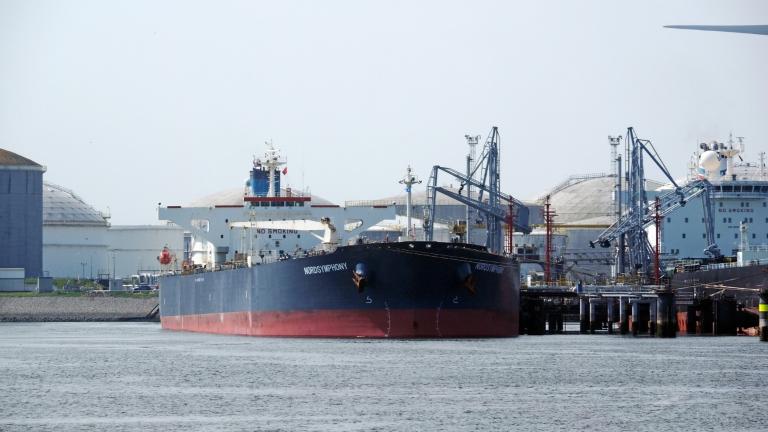
- The scale and terms of US-linked oil arrangements, and the provenance of the Angerona’s cargo, remain unresolved in public reporting. One report says Rodríguez’s acting government agreed to give the US control over more than 65 billion barrels’ worth of reserves; Rubio described market-rate sales with proceeds paid into a Treasury-controlled account, while a separate report describes an August deal with Alejandro Betancourt allowing purchases of up to one fifth of production at $30 per barrel. Trump described the Angerona’s oil as both a gift at no cost to US taxpayers and oil obtained through a US victory in a war with Venezuela, while historical AIS data places the tanker’s last Venezuelan port call about four months earlier. (Confidence: medium · ASSESSED)
- I&W: Published contracts, Treasury records or cargo documentation specify the counterparties, pricing and ownership basis for the reported oil arrangements, allowing the accounts to be reconciled or distinguishing separate deals. (0-3 months)
- I&W: A bill of lading or other cargo record confirms the Angerona’s loading location and cargo origin, clarifying the discrepancy with its reported AIS history. (0-30 days)
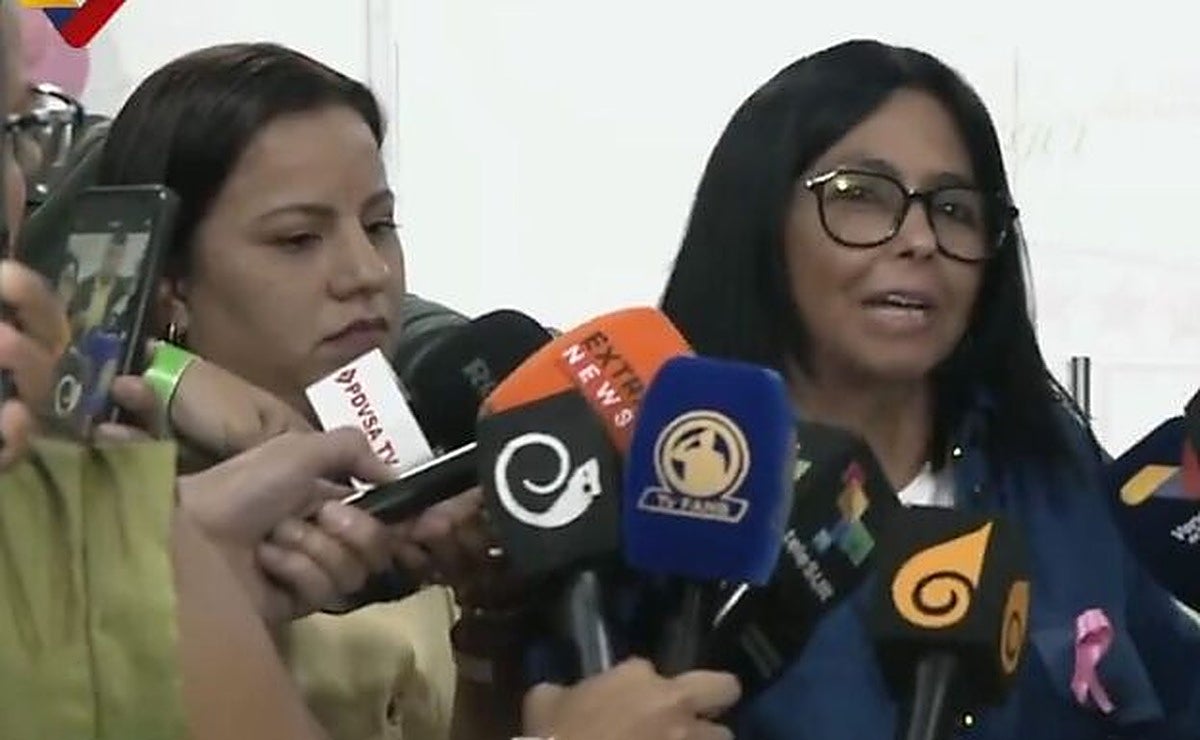
- Political detention and online restrictions remain reported grievances in Venezuela. Foro Penal reports that more than 300 people remain jailed on political grounds; UN experts urged the government to lift arbitrary website blocks and cited restrictions involving CANTV, Digitel, Movistar Venezuela, Inter, Net Uno, Airtek and G-Network. Rodríguez separately announced that she would request changes to the criminal provisions of the Law against Hatred. The provider allegations and prisoner figure are reported claims, not independent verification of each case or blocked site. (Confidence: medium · REPORTED)
- I&W: Foro Penal publishes an updated political-detention count showing releases or new detentions, confirming whether the reported figure has changed. (0-30 days)
- I&W: Named providers restore access to specific blocked media or rights sites, or UN experts report that the blocks remain in place. (0-3 months)
Outlook & scenarios
Talks proceed, election timing remains deferred (55%)
The 11 to 15 November round proceeds and negotiators continue work on judicial selection and TSJ and CNE changes. This is the likely near-term path; no presidential election date is announced while the institutional sequence remains under discussion.
Talks stall and public pressure grows (30%)
The parties fail to show progress on institutional changes or electoral rules. Public demands for an election and political-prisoner releases persist, and Caracas sees further protests. This path is less likely than continued talks, but the reported 28 October clashes show that demonstrations can meet police obstruction.
Further protest clashes trigger a broader crackdown (10%)
A high-impact but unlikely path is that further clashes in Caracas are followed by detentions of demonstrators or organisers, increasing pressure on the talks and deepening public distrust. The current reporting describes one protest incident and does not establish a wider pattern.
Recommendations
- Track the 11 to 15 November talks for a published agenda, the judicial selection committee’s 32-name shortlist, and concrete TSJ or CNE appointment decisions. Keep the reported US timetable separate from any Venezuelan government election calendar.
- Seek primary documentation for the oil arrangements, including contracts, counterparties, pricing terms, Treasury records, bills of lading and Angerona voyage data. Do not combine the reported reserve-control claim, the Betancourt production deal and the tanker statements unless documentation links them.
- Follow up the 28 October Caracas incident with independent reporting on injuries, detentions and the Bolivarian National Police’s handling of later marches. Treat Cabello’s warning as a reported threat, not evidence that detentions occurred.
- Monitor publication of Rodríguez’s proposed changes to the Law against Hatred and seek a provider-by-provider account of whether the websites identified by UN experts remain blocked.
Confidence & uncertainty
Confidence is high for the core chronology, including Machado’s return and the existence of transition talks, which are corroborated across major media, wire-service and local reporting. Confidence is lower for the details of the transition timetable, which partly rely on an anonymous US official and secondary reporting, and for the oil arrangements, where public accounts conflict. The 28 October protest incident rests on one outlet’s reporting and is assessed with low confidence.
Intelligence gaps
- [EEI 1.2 · UNCOVERED] Public resignations, defections, detentions, or disciplinary actions naming specific senior military, intelligence, or police officers (name, rank, unit, date, supporting evidence). Recommended collection: open-source/social media
- [EEI 1.3 · UNCOVERED] Published orders, decrees, or personnel lists showing promotions, reassignments, or purges within the National Bolivarian Armed Forces, National Guard, or presidential protection units (document or official gazette reference). Recommended collection: open-source/diplomatic
- [EEI 1.4 · PARTIAL] Arrests, detentions, or restrictions on movement of named opposition leaders or political figures with detention location, custody authority, and detention conditions reported. Recommended collection: human/local media
- [EEI 2.1 · PARTIAL] Verified protest activity by location and estimated turnout (street-level counts, police reports, hospital/ambulance logs, timestamped geolocated photos or videos) on specified dates. Recommended collection: social media/open-source
- [EEI 2.2 · PARTIAL] Documented lists or communications naming regional protest coordinators, strike organizers, or logistics nodes (transport bookings, fuel/food supply movements) tied to opposition plans. Recommended collection: social media/human
- [EEI 2.3 · UNCOVERED] Financial movements to opposition-controlled organizations or individuals above defined thresholds (bank transfers, wire records, large cash seizures, crypto wallet transfers with timestamps and amounts). Recommended collection: financial/forensic
- [EEI 2.4 · UNCOVERED] Public formation or activation of alternative governance bodies by the opposition (declared councils/ministries, named members, declared headquarters or offices) with supporting documentation or announcements. Recommended collection: open-source/diplomatic
- [EEI 3.1 · PARTIAL] Crude oil and refined product export volumes from Venezuelan ports by vessel (AIS-identified tankers), including flagged destinations and any ship-to-ship transfer events, by week. Recommended collection: maritime/AIS
- [EEI 3.2 · UNCOVERED] Notices of correspondent banking relationship changes for PDVSA, the Central Bank of Venezuela, or other state entities (account freezes, closures, new bank signings) with bank names and dates. Recommended collection: economic/finance
- [EEI 3.3 · UNCOVERED] Detected arrivals/deployments of foreign military personnel, equipment, or advisory teams (air/sea container manifests, port calls with cargo descriptions, geolocated imagery of military assets) originating from Russia, Cuba, Iran, or other external supporters. Recommended collection: imagery
- [EEI 3.4 · UNCOVERED] Export records or interdictions showing volumes and destinations of gold, diamonds, or other high-value commodities linked to state entities or proxies (customs manifests, seized shipments, buyer identities). Recommended collection: economic/finance
Red cell review: CONCUR WITH COMMENT
TLP:CLEAR