TLP:CLEAR · Disclosure is not limited.
Venezuela: Transition under Rodríguez amid contested Maduro status and persistent risk
Time window: Last 7 days · Audience: General analyst · Type: Situation report · DTG: 2026-06-19 17:52Z · Overall confidence: MEDIUM
BLUF
Delcy Rodríguez likely holds executive authority in Caracas since 5 January 2026 with Washington re-engaging diplomatically, while Nicolás Maduro is likely ousted and in US custody though dates conflict. Security and healthcare conditions remain acute nationwide, constraining near‑term stabilisation and external engagement.
Executive summary
Open sources indicate Delcy Rodríguez was sworn in as acting president on 5 January 2026 and the United States resumed embassy operations in Caracas in March, with some analysis noting Washington’s recognition of Rodríguez. Multiple reports state Nicolás Maduro was ousted and captured in early January 2026, with subsequent transport to New York and a 5 January not‑guilty plea, though capture dates conflict. Security risks remain high, including prohibitions on US government travel to the Venezuela‑Colombia border, terrorism warnings for Amazonas, and criminal and terrorist group activity. The healthcare system remains in severe crisis with critical shortages and degraded hospital utilities, set against large‑scale emigration and historic economic contraction. The sanctions picture is mixed given years of designations, a 2023 easing, reimposition in 2024, and reporting of oil‑trade licensing. NASA recorded 65 thermal detections in Venezuela over 16‑18 June that register heat but not cause, requiring corroboration before treating them as conflict indicators.
Change from previous assessment
Adds explicit reporting that Delcy Rodríguez was sworn in as acting president on 5 January 2026 and that the US resumed embassy operations in Caracas in March 2026. Incorporates quantified detainee releases as at 8 March and new NASA reporting of 65 thermal detections on 16-18 June. Maintains prior judgments on elevated security and humanitarian risk. Maduro’s status remains assessed as ousted and in US custody, but with unresolved date discrepancies; confidence held at medium.
Key judgments
- Rodríguez likely exercises effective executive authority in Caracas since 5 January 2026, with the United States re‑engaging diplomatically and some analysis indicating US recognition of her government. (Confidence: medium · ASSESSED)
- I&W: Official Gazette or government portals continue publishing presidential decrees signed by Delcy Rodríguez. (1-3 months)
- I&W: Public acceptance of US diplomatic credentials by Venezuelan authorities in Caracas. (1-3 months)
- Maduro was likely ousted and is in US custody following early‑January 2026 operations, though the exact capture date conflicts across reports. (Confidence: medium · ASSESSED)
- I&W: US federal court docket updates and custody filings confirming pre‑trial status for Nicolás Maduro and Cilia Flores in New York. (0-14 days)
- I&W: Credible video or official appearances showing Maduro operating freely inside Venezuela. (0-14 days)
- Security risks are almost certainly elevated nationwide, including terrorism and kidnapping risks in Amazonas, a prohibition on US government travel to the Venezuela, Colombia border region, and the operation of Tren de Aragua and Cartel de los Soles. (Confidence: high · REPORTED)
- I&W: US government maintains or expands travel restrictions for Amazonas or the Venezuela, Colombia border for its personnel. (0-14 days)
- I&W: Credible reporting of attacks, kidnappings, or extortion linked to Tren de Aragua or Cartel de los Soles in Amazonas or major urban centres. (0-14 days)
- Humanitarian conditions almost certainly remain severe: the healthcare system faces critical shortages and degraded utilities in public hospitals, against a backdrop of mass emigration under Maduro and historic economic contraction. (Confidence: high · REPORTED)
- I&W: Continued official travel advisories citing healthcare system crisis and shortages countrywide. (1-3 months)
- I&W: Independent reporting confirms restoration of running water and electricity to public hospitals in remote areas. (1-3 months)
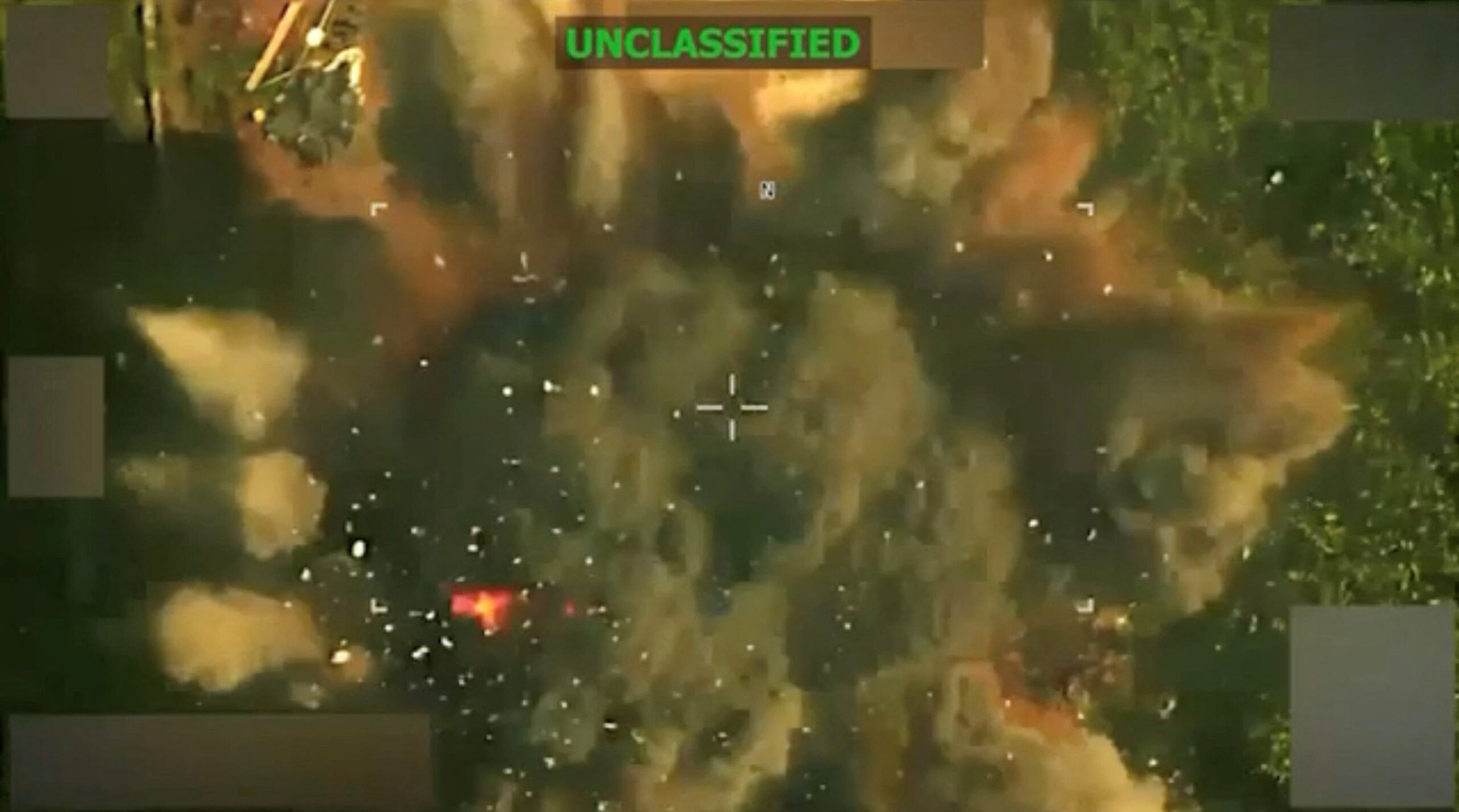
- The Rodríguez administration is likely seeking to attract foreign investment and align selectively with US security and economic asks, reflected in collaboration on the strike against Tren de Aragua leadership and engagement with energy firms. (Confidence: medium · ASSESSED)
- I&W: Public announcements of new or expanded agreements by Chevron or other multinational energy firms with Venezuelan authorities. (1-3 months)
- I&W: Joint US, Venezuelan readouts acknowledging further coordinated operations against designated criminal groups. (1-3 months)
- The sanctions landscape remains unsettled, with a roughly even chance that practical openings for Venezuelan oil trade persist amid a history of sanctions, a 2023 easing, reimposition in 2024, continuing designations through 2025, and reporting of oil‑trade licensing. (Confidence: medium · ASSESSED)
- I&W: US Treasury issues new or renewed general licences explicitly permitting transactions for Venezuelan oil trade. (0-14 days)
- I&W: New US or allied sanctions designations targeting Venezuelan energy officials or state entities. (1-3 months)
- A measured political opening is likely underway, signalled by an announced amnesty bill covering 1999 to present and at least 621 political prisoner releases confirmed by 8 March 2026. (Confidence: medium · ASSESSED)
- I&W: Promulgation of the amnesty bill into law and publication in the Official Gazette. (1-3 months)
- I&W: Further verified releases of detainees beyond those confirmed by 8 March 2026. (1-3 months)
- NASA’s 16-18 June thermal detections almost certainly capture non‑specific heat sources and, absent corroboration, do not in themselves indicate conflict activity. (Confidence: medium · ASSESSED)
- I&W: Local authorities or credible media attribute detections within 5.50-10.50N, 68.61-63.61W to wildfires or industrial incidents. (0-14 days)
- I&W: Geolocated imagery confirms strikes or shelling matching the NASA bounding box and time window. (0-14 days)
Outlook & scenarios
Consolidation under Rodríguez with selective normalisation (50%)
Rodríguez remains the locus of executive power, Washington sustains diplomatic presence in Caracas, and authorities continue calibrated gestures such as detainee releases while courting foreign investment and cooperating on security actions. Oil trade proceeds through controlled, licensed channels despite a complex sanctions backdrop.
Fractured chavismo and policy volatility (40%)
Internal divisions within chavismo intensify, complicating transitional decision‑making and slowing policy delivery. Conflicting narratives around Maduro’s status and an unsettled sanctions environment fuel uncertainty, raising the risk of abrupt shifts in security posture or economic signalling.
Judicial proceedings in New York shape domestic politics (30%)
Court actions against Maduro and Cilia Flores in New York become a focal point for internal and external stakeholders. Hearings, filings and potential outcomes drive tactical responses by Caracas and foreign partners, affecting the tempo of releases, security cooperation and investment messaging.
Recommendations
- Build a sourced chronology of 1-5 January 2026 events tying reported ouster, capture, transport and arraignment to specific time‑stamped documents and media, and flag all date discrepancies for adjudication.
- Task monitoring of US federal court dockets and Department of Justice releases for custody status and hearing schedules for Nicolás Maduro and Cilia Flores to validate or break the current custody assessment.
- Maintain a sanctions tracker that reconciles 2017-2025 measures, the October 2023 easing, April 2024 reimposition, subsequent designations, and any reported licensing for oil trade; brief compliance risks for any contemplated transactions.
- Sustain daily watch on US Department of State travel advisories, with incident logging for Amazonas, the Venezuela, Colombia border, and Maiquetía airport; integrate references to Tren de Aragua and Cartel de los Soles activity into threat mapping.
- Use NASA FIRMS to plot the 5.50-10.50N, 68.61-63.61W detections against open‑source reports and imagery; only treat thermal anomalies as security indicators when corroborated by geolocated evidence.
- Catalogue official Venezuelan decrees and communiqués signed by Delcy Rodríguez, along with diplomatic credentialing activities in Caracas, to confirm locus of executive authority.
- Track political‑prisoner releases and the progress of the amnesty bill from announcement to promulgation, preserving lists of names and dates for pattern analysis and outreach planning.
- Map counterparties engaging with Caracas, prioritising Chevron and other multinationals referenced in open sources; run enhanced due diligence to identify exposure to sanctioned entities or individuals.
Confidence & uncertainty
Overall confidence is medium. Security and humanitarian judgments rest on multiple high‑reliability official sources that corroborate one another. Leadership and transition assessments draw on several reports, including medium‑reliability major media and think‑tank sources, with internal date inconsistencies on Maduro’s capture and low‑confidence recognition reporting, which constrains confidence. Sanctions status is well documented over time but remains conflicting in current application due to mixed claims of easing and reimposition. Remote‑sensing observations are robust but non‑attributive without corroboration.
Alternative analysis (red cell)
Available reporting shows Rodríguez has taken actions (swearing-in, embassy re-engagement) and that some detainees were released, but the evidence is fragmented and at times contradictory; it does not yet demonstrate clear, uncontested effective control by Rodríguez nor definitive U.S. recognition as sole authority. Similarly, reports that Maduro is in U.S. custody are plausible given courtroom reporting, but conflicting capture-date reports and lack of authoritative custody records leave room for alternate timelines or reporting errors.
Intelligence gaps
- [EEI 1.2 · UNCOVERED] Public resignations, defections, detentions, or disciplinary actions naming specific senior military, intelligence, or police officers (name, rank, unit, date, supporting evidence). Recommended collection: open-source/social media
- [EEI 1.3 · UNCOVERED] Published orders, decrees, or personnel lists showing promotions, reassignments, or purges within the National Bolivarian Armed Forces, National Guard, or presidential protection units (document or official gazette reference). Recommended collection: open-source/diplomatic
- [EEI 1.4 · PARTIAL] Arrests, detentions, or restrictions on movement of named opposition leaders or political figures with detention location, custody authority, and detention conditions reported. Recommended collection: human/local media
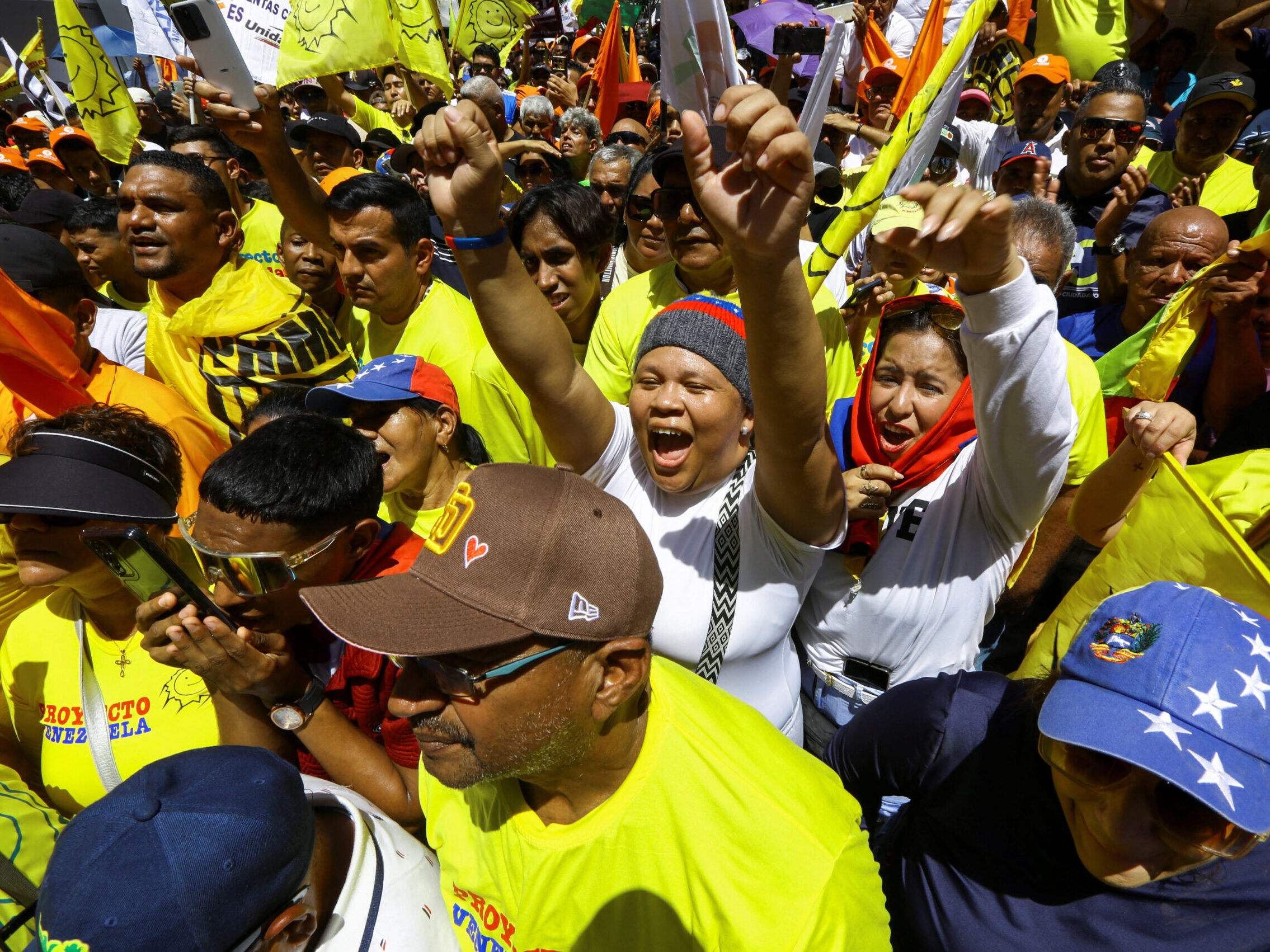
- [EEI 2.1 · UNCOVERED] Verified protest activity by location and estimated turnout (street-level counts, police reports, hospital/ambulance logs, timestamped geolocated photos or videos) on specified dates. Recommended collection: social media/open-source
- [EEI 2.2 · UNCOVERED] Documented lists or communications naming regional protest coordinators, strike organizers, or logistics nodes (transport bookings, fuel/food supply movements) tied to opposition plans. Recommended collection: social media/human
- [EEI 2.3 · UNCOVERED] Financial movements to opposition-controlled organizations or individuals above defined thresholds (bank transfers, wire records, large cash seizures, crypto wallet transfers with timestamps and amounts). Recommended collection: financial/forensic
- [EEI 2.4 · PARTIAL] Public formation or activation of alternative governance bodies by the opposition (declared councils/ministries, named members, declared headquarters or offices) with supporting documentation or announcements. Recommended collection: open-source/diplomatic
- [EEI 3.1 · PARTIAL] Crude oil and refined product export volumes from Venezuelan ports by vessel (AIS-identified tankers), including flagged destinations and any ship-to-ship transfer events, by week. Recommended collection: maritime/AIS
- [EEI 3.2 · UNCOVERED] Notices of correspondent banking relationship changes for PDVSA, the Central Bank of Venezuela, or other state entities (account freezes, closures, new bank signings) with bank names and dates. Recommended collection: economic/finance
- [EEI 3.3 · UNCOVERED] Detected arrivals/deployments of foreign military personnel, equipment, or advisory teams (air/sea container manifests, port calls with cargo descriptions, geolocated imagery of military assets) originating from Russia, Cuba, Iran, or other external supporters. Recommended collection: imagery
- [EEI 3.4 · UNCOVERED] Export records or interdictions showing volumes and destinations of gold, diamonds, or other high-value commodities linked to state entities or proxies (customs manifests, seized shipments, buyer identities). Recommended collection: economic/finance
Cited sources
[1] Wikipedia · 2026 United States intervention in Venezuela (B) · sha256:1e311c91a5a9 [2] U.S. Department of State · Venezuela Travel Advisory | Travel.State.gov (A) · sha256:56ec7c299e19 [3] Atlantic Council · Updating the Democratic Transition Framework to chart a way forward in Venezuela (C) · sha256:f328f5b01fb8 [4] Wikipedia · Nicolás Maduro (B) · sha256:fcc8b325ca53 [5] us.headtopics.com · The Hole in Donald Trump’s Venezuelan Oil Strategy (B) · sha256:cbda221aba12 [6] Wikipedia · Crisis in Venezuela (B) · sha256:5c6d3f82939e [7] Atlantic Council · The recent US-Venezuelan strike on Tren de Aragua’s leader will reverberate across Latin America (C) · sha256:8ea6d63d3e05 [8] Wikipedia · Sanctions during the Venezuelan crisis (B) · sha256:07a964b9395e [9] NASA · NASA FIRMS thermal detections — Venezuela (2d) (A) · sha256:8e5cc69af37a
Source content hashes were computed at collection time; the cited text is preserved unmodified for the life of this product.
Red cell review: PARTIAL DISSENT
TLP:CLEAR