TLP:CLEAR · Disclosure is not limited.
Venezuela: US Security Deal, Political Settlement Unclear
Time window: Last 7 days · Audience: General analyst · Type: Situation report · DTG: 2026-11-19 16:10Z · Overall confidence: HIGH
BLUF
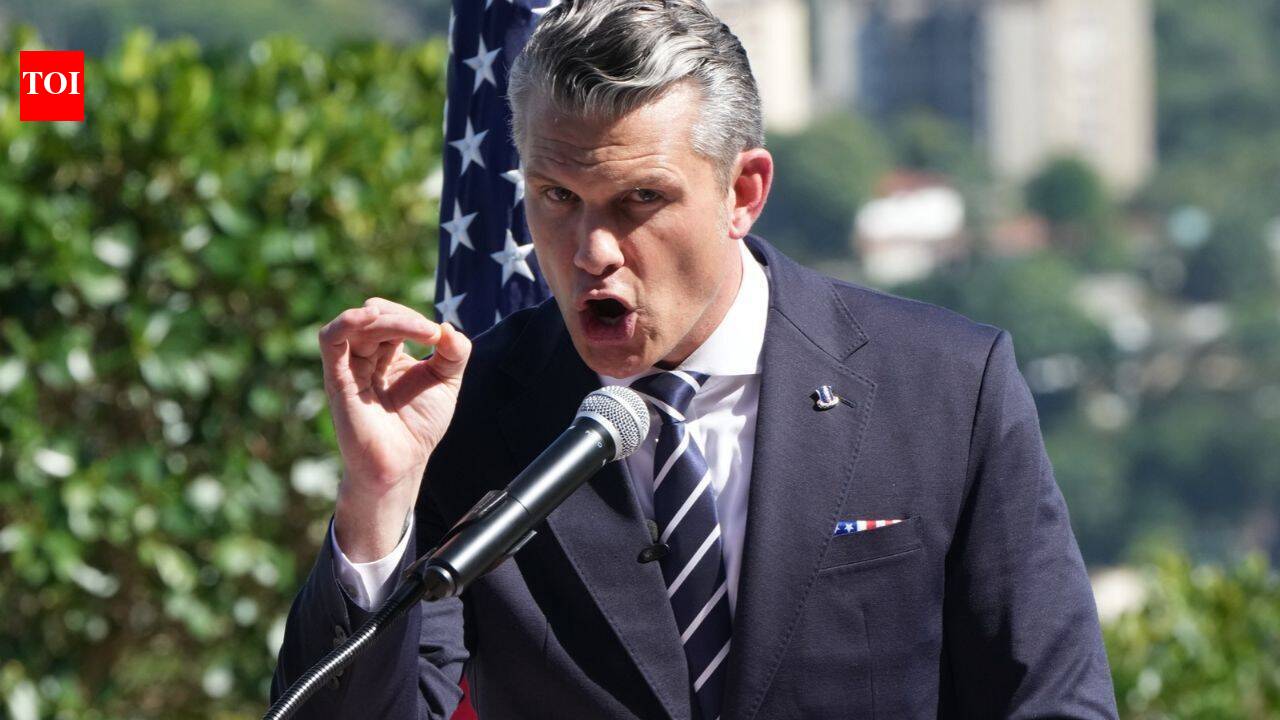
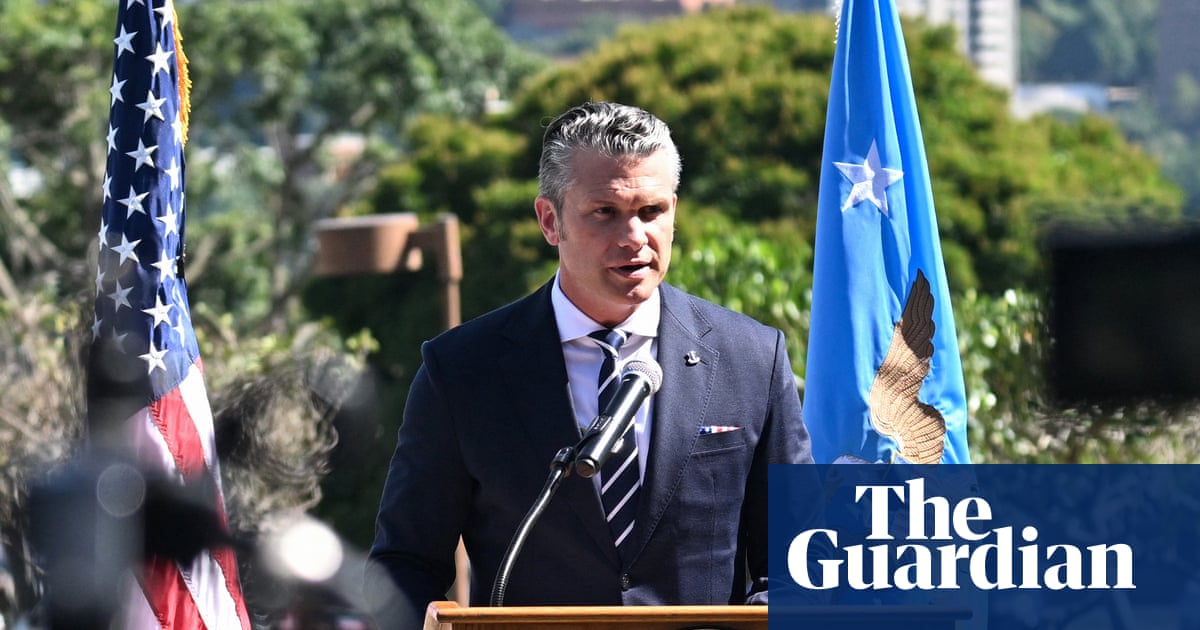
Pete Hegseth’s 18 November visit to Caracas produced a reported US-Venezuelan military co-operation agreement with Delcy Rodríguez’s interim government, months after US forces seized Nicolás Maduro in Caracas. The agreement’s operational scope, the structure of the oil arrangements and a date for presidential elections remain unsettled.
Executive summary
Pete Hegseth and Delcy Rodríguez’s interim government signed a military co-operation agreement in Caracas on 18 November, restoring ties suspended in 2005. Public reporting describes expected joint training and intelligence sharing, but Hegseth gave few details. María Corina Machado has returned to Venezuela and intends to run in the next presidential election; no date has been set. The oil arrangements are described in competing terms: a US stake in North American Blue Energy Partners (NABEP), a bilateral energy agreement reportedly involving 65 billion barrels, and a deal Machado referred to as worth $100 billion. Congressional Democrats are preparing probes. Separate reporting says a US official explored contacts concerning Guyana’s Essequibo, while other State Department officials assured Guyana that the US border position was unchanged. The supplied material does not establish a broader relaxation of energy sanctions; the relevant reports were read only in summary.
Change from previous assessment
Since the 18 November prior brief, Hegseth’s Caracas visit is now corroborated rather than unconfirmed, and a signed US-Venezuelan military co-operation agreement is newly reported. The oil assessment now has more specific but conflicting descriptions: a reported 35% stake in NABEP, a government-level energy agreement described as involving 65 billion barrels, and Machado’s reference to a $100 billion deal. New reporting also describes Machado’s return and election intentions, the absence of an election date, and contacts concerning Essequibo. The prior brief’s 11 December Supreme Court appointment timetable and its Petropiar, VEN ETF and natural-gas assessments receive no substantive update in this reporting window.
Key judgments
- The 18 November agreement is likely to restart limited US-Venezuelan defence co-ordination, but does not yet demonstrate sustained operational integration. Pete Hegseth and Delcy Rodríguez’s interim government signed the agreement in Caracas, restoring military ties suspended in 2005; public accounts describe expected joint training and intelligence sharing, while Hegseth offered few details. BBC, Guardian and AP reporting converge on the signing, but the operational terms remain unclear. (Confidence: medium · ASSESSED)
- I&W: A published agreement text or a dated announcement of joint training or intelligence-sharing activity confirms implementation beyond the signing. (0-14 days)
- I&W: No agreement text, named implementation office or scheduled activity is made public by 19 February 2027, weakening the expectation of near-term co-ordination. (1-3 months)
- Venezuela’s political legitimacy dispute is likely to persist into early 2027. No presidential election date has been set; Delcy Rodríguez remains acting president although her court-approved term expired in July; and María Corina Machado says she intends to run. An AtlasIntel poll for Bloomberg in early November put Machado at 56% against 17% for Rodríguez among respondents asked whom they would vote for in a new election. Washington’s reported transition roadmap places judicial and electoral reforms before a presidential vacancy declaration and new elections. Major-media accounts corroborate the lack of an election date and Machado’s stated plans, but the roadmap detail rests on a less-reliable account. (Confidence: medium · ASSESSED)
- I&W: A Venezuelan government and Washington announcement sets a presidential election date and publishes an electoral-reform calendar, breaking the assessment of an unresolved timetable. (1-3 months)
- I&W: No election date is announced by 19 February 2027 while Rodríguez continues as acting president, confirming that the transition remains unsettled. (1-3 months)
- The US-Venezuela oil arrangements remain opaque, and the supplied reporting does not establish whether the reported government-level energy agreement and the US stake in NABEP are one transaction or separate deals. One account describes a 30 August agreement for a 35% US stake in Alejandro Betancourt’s NABEP, which holds 100-year rights to 17 Venezuelan oil fields; another describes a bilateral energy agreement reportedly involving 65 billion barrels, while Machado referred to a $100 billion deal. NABEP output is reported at nearly 200,000 barrels per day, up from roughly 90,000 at the end of 2024, but that figure comes from lower-reliability coverage. Congressional Democrats are preparing probes, and Machado says she has not read the 30 August contract and wants oil deals reviewed. The conflicting descriptions and uneven source quality warrant low confidence. (Confidence: low · ASSESSED)
- I&W: Publication of the relevant contracts identifies whether the 65-billion-barrel agreement and the 35% NABEP stake are linked or separate, breaking the current assessment of opacity. (0-3 months)
- I&W: Democratic committees issue document requests or hold hearings on NABEP’s selection, legal authority or contract terms, confirming continued scrutiny. (0-3 months)
- The available reporting does not establish a change in US policy on the Guyana-Venezuela border. Reporting attributed to Reuters says Jeremy Lewin made preliminary confidential contacts with Guyana and Venezuela on White House orders and that two sources said he raised the possibility of part of Essequibo coming under Venezuelan control. Other State Department officials reportedly assured Guyana that the US border position was unchanged. This conclusion rests on one Reuters-derived account with conflicting signals, so confidence is low. (Confidence: low · ASSESSED)
- I&W: The State Department publicly restates its position on the Guyana-Venezuela border and clarifies whether Lewin’s contacts represented authorised policy, breaking the uncertainty about Washington’s position. (0-14 days)
- I&W: Guyana or Venezuela publicly confirms direct talks or specific territorial terms linked to Lewin’s contacts, confirming that the reported proposal reached the parties as a substantive initiative. (0-3 months)
Outlook & scenarios
Incremental security and energy co-operation (50%)
The most likely path is limited implementation of the 18 November military agreement alongside continued oil-sector negotiations. Joint training or intelligence-sharing plans emerge, but the oil contracts remain under scrutiny and no presidential election date is agreed.
Co-operation checked by political and congressional friction (30%)
Democratic probes into NABEP and Machado’s stated intention to review oil deals slow the public and commercial progress of the energy arrangements. Rodríguez remains acting president without an agreed election timetable, leaving the political transition unresolved.
Essequibo contacts strain relations with Guyana (15%)
Further confirmation that Lewin raised territorial concessions prompts Guyana to challenge the US role, even as State Department officials maintain that the US border position is unchanged. The gap between an individual proposal and stated policy becomes a diplomatic issue.
Wildcard: a long-term US troop presence (5%)
A negotiated long-term US troop presence in Venezuela would turn the military agreement into a much deeper security commitment. The New York Times has reported that Trump officials were seeking such a presence, but the supplied reporting does not confirm an agreement or deployment.
Recommendations
- Track publication of the military agreement and record its signatories, authorities, implementation bodies, named units, training dates and intelligence-sharing provisions. Do not treat the signing alone as evidence of operational integration or a troop deployment.
- Keep separate records for the reported 35% NABEP stake and the bilateral energy agreement described as involving 65 billion barrels or $100 billion. Seek contract text and track Democratic committee requests or hearings before assessing the arrangements’ legal scope.
- Monitor announcements from Rodríguez’s government and Washington for an election date, judicial or electoral reforms, and Machado’s eligibility to run. Treat the AtlasIntel result as one poll, not as evidence of an election outcome.
- Seek an official State Department clarification of the Essequibo reporting and track any public response from Guyana or Venezuela. Distinguish Lewin’s reported contacts from an adopted US border policy.
- Do not assess broad sanctions relaxation from summary-only reporting. Verify any change against published Treasury licences or other official notices before incorporating it into the oil outlook.
Confidence & uncertainty
Confidence is high that Hegseth visited Caracas and that the US and Venezuela signed a military co-operation agreement: BBC, Guardian and wire-service reporting converge on those developments. Confidence is lower on the agreement’s operational scope, the relationship between the oil deals, the election timetable and the reported Essequibo proposal. Those issues remain uncertain because public terms are sparse, accounts conflict, and some details rely on lower-reliability or summary-only reporting. High confidence here applies to the core reported developments, not to their eventual consequences.
Intelligence gaps
- [EEI 1.2 · UNCOVERED] Public resignations, defections, detentions, or disciplinary actions naming specific senior military, intelligence, or police officers (name, rank, unit, date, supporting evidence). Recommended collection: open-source/social media
- [EEI 1.3 · UNCOVERED] Published orders, decrees, or personnel lists showing promotions, reassignments, or purges within the National Bolivarian Armed Forces, National Guard, or presidential protection units (document or official gazette reference). Recommended collection: open-source/diplomatic
- [EEI 1.4 · PARTIAL] Arrests, detentions, or restrictions on movement of named opposition leaders or political figures with detention location, custody authority, and detention conditions reported. Recommended collection: human/local media
- [EEI 2.1 · UNCOVERED] Verified protest activity by location and estimated turnout (street-level counts, police reports, hospital/ambulance logs, timestamped geolocated photos or videos) on specified dates. Recommended collection: social media/open-source
- [EEI 2.2 · UNCOVERED] Documented lists or communications naming regional protest coordinators, strike organizers, or logistics nodes (transport bookings, fuel/food supply movements) tied to opposition plans. Recommended collection: social media/human
- [EEI 2.3 · UNCOVERED] Financial movements to opposition-controlled organizations or individuals above defined thresholds (bank transfers, wire records, large cash seizures, crypto wallet transfers with timestamps and amounts). Recommended collection: financial/forensic
- [EEI 2.4 · UNCOVERED] Public formation or activation of alternative governance bodies by the opposition (declared councils/ministries, named members, declared headquarters or offices) with supporting documentation or announcements. Recommended collection: open-source/diplomatic
- [EEI 3.1 · PARTIAL] Crude oil and refined product export volumes from Venezuelan ports by vessel (AIS-identified tankers), including flagged destinations and any ship-to-ship transfer events, by week. Recommended collection: maritime/AIS
- [EEI 3.2 · UNCOVERED] Notices of correspondent banking relationship changes for PDVSA, the Central Bank of Venezuela, or other state entities (account freezes, closures, new bank signings) with bank names and dates. Recommended collection: economic/finance
- [EEI 3.3 · PARTIAL] Detected arrivals/deployments of foreign military personnel, equipment, or advisory teams (air/sea container manifests, port calls with cargo descriptions, geolocated imagery of military assets) originating from Russia, Cuba, Iran, or other external supporters. Recommended collection: imagery
- [EEI 3.4 · UNCOVERED] Export records or interdictions showing volumes and destinations of gold, diamonds, or other high-value commodities linked to state entities or proxies (customs manifests, seized shipments, buyer identities). Recommended collection: economic/finance
Red cell review: CONCUR WITH COMMENT
TLP:CLEAR