TLP:CLEAR · Disclosure is not limited.
West Africa: Jihadist insurgencies intensify as U.S., Nigeria raid targets ISIS-linked nodes
Time window: Last 1 day · Audience: General analyst · Type: Situation report · DTG: 2026-07-01 10:41Z · Overall confidence: MEDIUM
BLUF
West Africa remains the world’s fastest-growing, deadliest insurgency theatre driven by JNIM and Islamic State affiliates, while a U.S., Nigeria operation has neutralised ISIS-linked elements and yielded a trove of devices for exploitation. Civilian harm in Nigeria remains acute, and Niger’s repression risks adding fuel to extremist narratives regionally.
Executive summary
Reporting points to a severe insurgency threat across West Africa led by al-Qaeda-aligned JNIM and Islamic State affiliates. In Nigeria, a joint U.S., Nigeria operation against ISIS-linked elements reportedly neutralised targets and seized substantial electronic devices now under analysis, alongside expanded intelligence and military cooperation. Nigerian civilians continue to face high levels of killings and abductions. Analysts and datasets indicate that violence against civilians often extends beyond Boko Haram and ISWAP to other militias. In the coastal belt, Benin has organised civil, military committees within Operation Mirador and claims to have retaken territory lost in early 2025, though gains appear fragile. In Niger, arrests under a new penal code and restrictions on health services coincide with broader political tightening, creating grievances that extremists very likely exploit.
Change from previous assessment
Since the prior brief, new reporting highlights a joint U.S., Nigeria operation that neutralised ISIS-linked elements and yielded substantial devices under exploitation, expanded U.S., Nigeria cooperation, and data pointing to sustained high civilian harm and abductions in Nigeria. Benin-specific developments, including Operation Mirador’s civil, military committees and claimed territorial recovery, were added. The assessment also introduces Niger’s legal crackdown and service restrictions as a regional risk amplifier. Initial assessment of ISWAP fragmentation remains cautious given older sourcing and limited recent corroboration.
Key judgments
- West Africa very likely remains the fastest-growing, deadliest insurgency theatre, driven by JNIM and Islamic State affiliates, with Nigeria at the core of a complex terror ecosystem marked by high civilian harm and mass abductions. (Confidence: medium · ASSESSED)
- I&W: ISWAP or JNIM publicly claim multiple attacks in Borno or northern Benin within a short window. (0-14 days)
- I&W: A month with markedly fewer ISWAP or JNIM attack claims in Nigeria or Benin, corroborated by official incident reporting. (1-3 months)
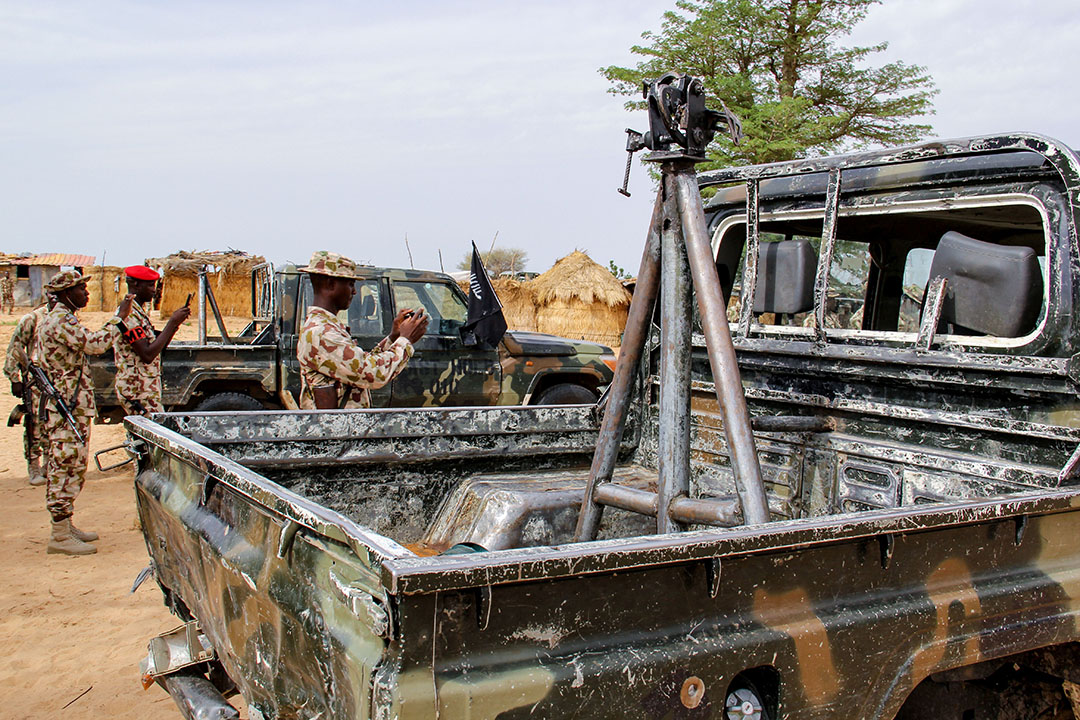
- The recent U.S., Nigeria counter-ISIS operation likely degraded ISIS-linked networks in Nigeria in the near term, given reported neutralisations, long-term targeting, and ongoing exploitation of a large cache of seized devices. (Confidence: high · ASSESSED)
- I&W: Nigeria or the United States announce follow-on arrests or strikes explicitly citing leads from the seized devices. (0-14 days)
- I&W: ISWAP communications or claimed attack tempo in Borno remains unchanged or increases despite the raid. (1-3 months)
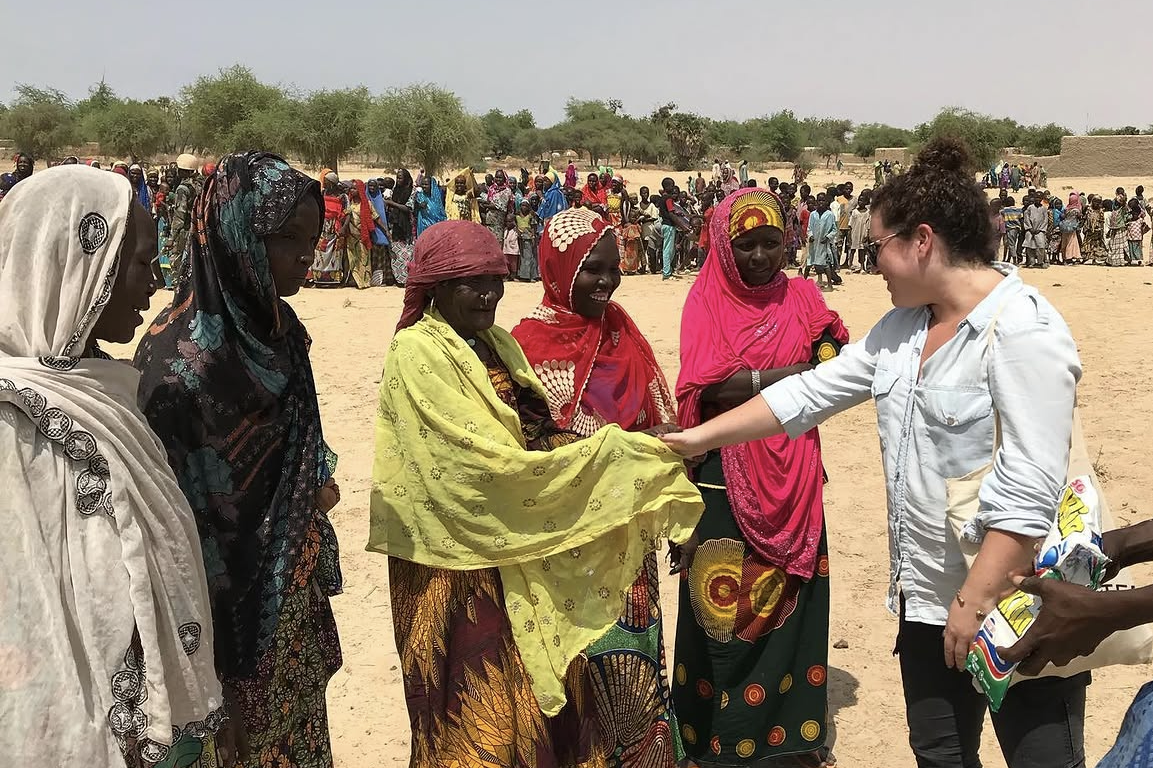
- Civilian risk in Nigeria is likely to remain high, with large-scale abductions and killings driven by a mix of jihadist activity and other armed militias beyond Boko Haram and ISWAP. (Confidence: medium · ASSESSED)
- I&W: Another mass abduction event against civilians is reported in Nigeria. (0-14 days)
- I&W: Credible datasets show a sustained decline in civilian abductions and killings across multiple Nigerian states. (1-3 months)
- There is a roughly even chance that ISWAP fragmentation and defections will deepen, weakening cohesion as losses, leadership strains and inter-factional tensions persist. (Confidence: low · ASSESSED)
- I&W: Publicised surrenders or defections of ISWAP cadres in the Lake Chad region increase. (0-14 days)
- I&W: ISWAP leadership issues a unified strategic message and mounts coordinated multi-state operations. (1-3 months)
- Benin is likely to sustain near-term pressure on jihadist incursions through Operation Mirador and civil, military committees, but any territorial gains remain fragile. (Confidence: low · ASSESSED)
- I&W: Benin announces additional localities secured along the northern border and sustained Mirador patrols. (1-3 months)
- I&W: A complex JNIM- or Islamic State-claimed attack occurs inside Benin beyond immediate border zones. (1-3 months)
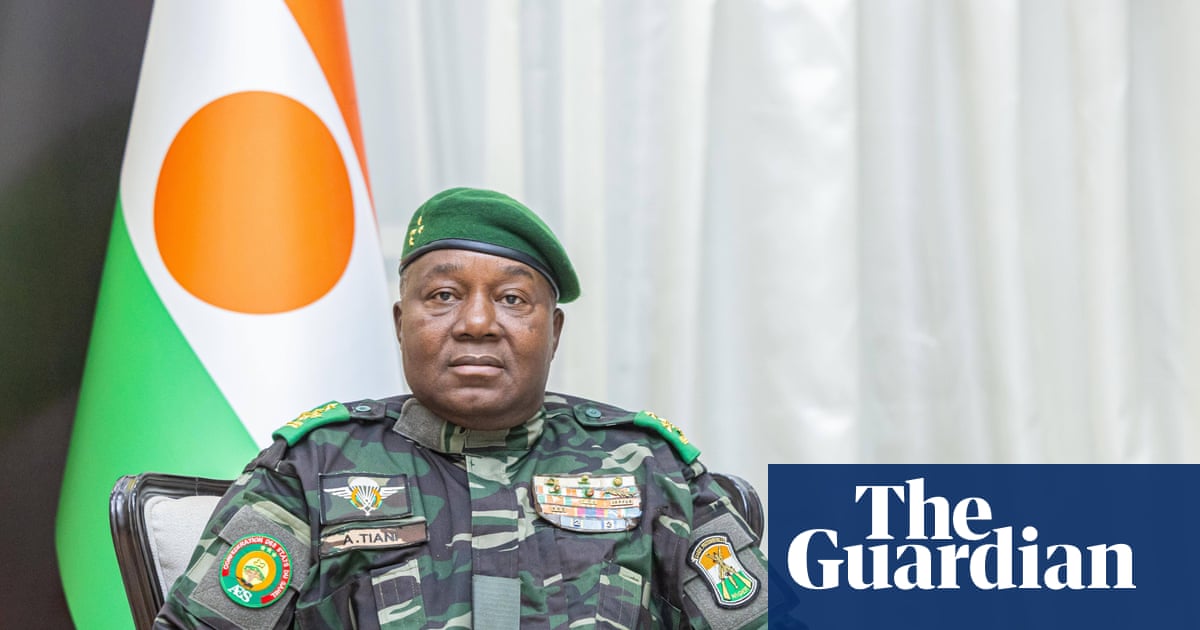
- Niger’s arrests, new penal provisions and restrictions on services are likely to strain external partnerships and very likely provide narratives that extremist organisations exploit regionally. (Confidence: medium · ASSESSED)
- I&W: Public criticism by regional or Western partners linking Niger’s penal code and arrests to pauses or conditions on security cooperation. (1-3 months)
- I&W: Authorities ease enforcement or restore access to HIV services for affected communities. (1-3 months)
Outlook & scenarios
Short-term disruption of ISIS-linked networks in Nigeria (40%)
Follow-on arrests and strikes stemming from device exploitation degrade ISIS-linked cells in Nigeria, lowering ISWAP’s near-term operational tempo and complicating coordination. This is consistent with reported neutralisations, the long-term targeting cycle and active data exploitation, alongside enhanced U.S., Nigeria intelligence cooperation.
Entrenched violence against civilians persists in Nigeria (50%)
Civilian killings and abductions remain elevated across multiple Nigerian states as jihadist activity and other militias sustain pressure on communities. Datasets and analysis indicating broad drivers of violence beyond Boko Haram and ISWAP are borne out by continued incidents and reporting.
Backlash in Niger fuels regional extremist narratives and spillover risk (25%)
Arrests, legal penalties and service restrictions in Niger deepen domestic grievances, draw external criticism and create openings for extremist propaganda and recruitment with potential spillover effects in border areas. This undermines regional security cooperation and complicates efforts to contain insurgent networks.
Recommendations
- Prioritise collection on the exploitation of seized ISIS-linked devices and map resultant targeting leads to ISWAP facilitators, couriers and finance nodes; maintain close watch for follow-on Nigerian or U.S. announcements.
- Integrate ORFA’s fatality and abduction figures with geospatial incident feeds to identify persistent hotspots for civilian targeting and to test for shifts after counterterrorism actions.
- Expand analytic coverage of defections dynamics in the Lake Chad region by tracking reported surrenders, inter-factional clashes and leadership messaging tied to ISWAP and Boko Haram.
- Establish a standing watch on Benin’s Operation Mirador outputs and local reporting to validate claims of reclaimed areas and detect any reversal or renewed cross-border raids.
- Track Niger’s enforcement of the new penal code and service restrictions as a standing risk factor for extremist exploitation; flag partner statements linking these measures to security cooperation.
- Task open-source monitoring of JNIM and ISWAP media channels for claims of responsibility in Nigeria and northern Benin, and fuse with official communiqués to assess operational tempo.
Confidence & uncertainty
Overall confidence is medium because multiple independent sources corroborate the core picture: think-tank analysis identifies West Africa’s insurgency leaders and Nigeria’s complex threat environment, major-media reporting details a U.S., Nigeria operation with neutralisations and device seizures, and datasets quantify high civilian harm and abductions. Some key elements rely on single think-tank sources, several data points are from 2020-2025, and there are attribution and breakdown differences in civilian casualty statistics, which temper confidence.
Alternative analysis (red cell)
While the dataset shows high levels of violence and notable operations, multiple unaddressed contradictions and contested attributions weaken confidence in causal claims. It is equally plausible that communal militias account for a larger share of civilian harm than credited, that the recent U.S./Nigerian operation’s lasting impact is unproven without follow-on metrics, and that Niger’s domestic measures have not yet produced demonstrable partner-state ruptures or a measurable rise in extremist messaging.
Intelligence gaps
- [EEI 1.1 · UNCOVERED] Intercepted or captured operational messages, orders, or timelines indicating planned attacks, named targets, or attack windows (dates/times) for specific towns, facilities, or convoys. Recommended collection: SIGINT
- [EEI 1.2 · UNCOVERED] Observed movement of armed groups, armed convoys, or weapons caches toward or within 20–100 km of named population centers, military bases, border crossing points, or major road/rail routes. Recommended collection: IMINT
- [EEI 1.3 · UNCOVERED] Recent local reporting, social‑media posts, or detainee/source statements claiming operational readiness, recruitment of attack teams, or calls for immediate attacks against specific targets. Recommended collection: OSINT
- [EEI 2.1 · UNCOVERED] Estimated numbers of fighters (by group) present in defined districts/regions and recent trends (increasing, stable, decreasing) based on ground reports, detainee statements, or biometric registration. Recommended collection: HUMINT
- [EEI 2.2 · UNCOVERED] Identification and geolocation of training camps, safe havens, or arms depots, including imagery of training activity, firing ranges, or stockpiled weapons and explosives. Recommended collection: IMINT
- [EEI 2.3 · UNCOVERED] Seizures, battlefield recoveries, or credible reports describing types and quantities of weapons and munitions in use (e.g., RPGs, mortars, MANPADS, vehicle‑borne IED components) and recent changes in lethality. Recommended collection: LAW_ENFORCEMENT
- [EEI 2.4 · PARTIAL] Reports of foreign fighter arrivals/departures, external trainers or advisors present, or documented external technical assistance (IED construction, communications encryption) to named groups. Recommended collection: SIGINT
- [EEI 3.1 · UNCOVERED] Documented instances and amounts of extortion/taxation on towns, markets, transporters, or humanitarian agencies, including receipts, lists of taxed goods, and affected road segments. Recommended collection: HUMINT
- [EEI 3.2 · UNCOVERED] Seizures or interdictions showing volumes and origins/destinations of trafficked commodities used for revenue (gold, drugs, charcoal, timber), and intercepted communications detailing smuggling routes or buyers. Recommended collection: LAW_ENFORCEMENT
- [EEI 3.3 · UNCOVERED] Financial intelligence on suspicious cross‑border transfers, known money‑courier movements, or identified donor networks linked to named groups, including remittance patterns and intermediary accounts. Recommended collection: FININT
- [EEI 4.2 · PARTIAL] Evidence of improved or degraded cross‑border security cooperation: joint patrols, information‑sharing agreements, troop movements across borders, or closing/opening of border crossings. Recommended collection: HUMINT
- [EEI 4.3 · PARTIAL] Humanitarian indicators: numbers of newly displaced persons by location, reported access denials to aid organizations, closures of clinics/schools, and routes experiencing mass civilian flight. Recommended collection: UN/HUMANITARIAN
Cited sources
[1] Spirit of America · Rethinking counterterrorism in the Sahel and West Africa (C) · sha256:e25883de8598 [2] Observatory for Religious Freedom in Africa (ORFA) · Nigeria's Violence Far Worse Than Boko Haram Narrative - - Researcher (B) · sha256:6077e5bf41aa [3] alomah.net · أمريكا تضبط أكبر كنز استخباراتي إلكتروني ضد داعش منذ 11 سبتمبر (B) · sha256:4c51bad116f5 [4] adf-magazine.com · ISWAP Shows Signs of Fracturing After Al-Minuki Raid (C) · sha256:d5159b8053e2 [5] theguardian.com · ‘Witch-hunt’ in Niger as military regime rounds up LGBTQ+ population (A) · sha256:1394501b483f
Source content hashes were computed at collection time; the cited text is preserved unmodified for the life of this product.
Red cell review: PARTIAL DISSENT
TLP:CLEAR