TLP:CLEAR · Disclosure is not limited.
West Africa: Jihadist offensives in Mali and south‑west Nigeria strain stability as militants upgrade tactics
Time window: Last 7 days · Audience: General analyst · Type: Situation report · DTG: 2026-07-16 12:12Z · Overall confidence: MEDIUM
BLUF
Militant pressure is intensifying: Jama’a Nusrat ul‑Islam wa al‑Muslimin and the Front de Libération de l’Azawad mounted coordinated attacks across Mali, and jihadist‑linked kidnappers struck as far south‑west as Oyo, Nigeria, before a high‑risk rescue. Armed groups are very likely increasing use of drones and advanced communications, while humanitarian needs outpace funding and diplomacy shows only early gains.
Executive summary
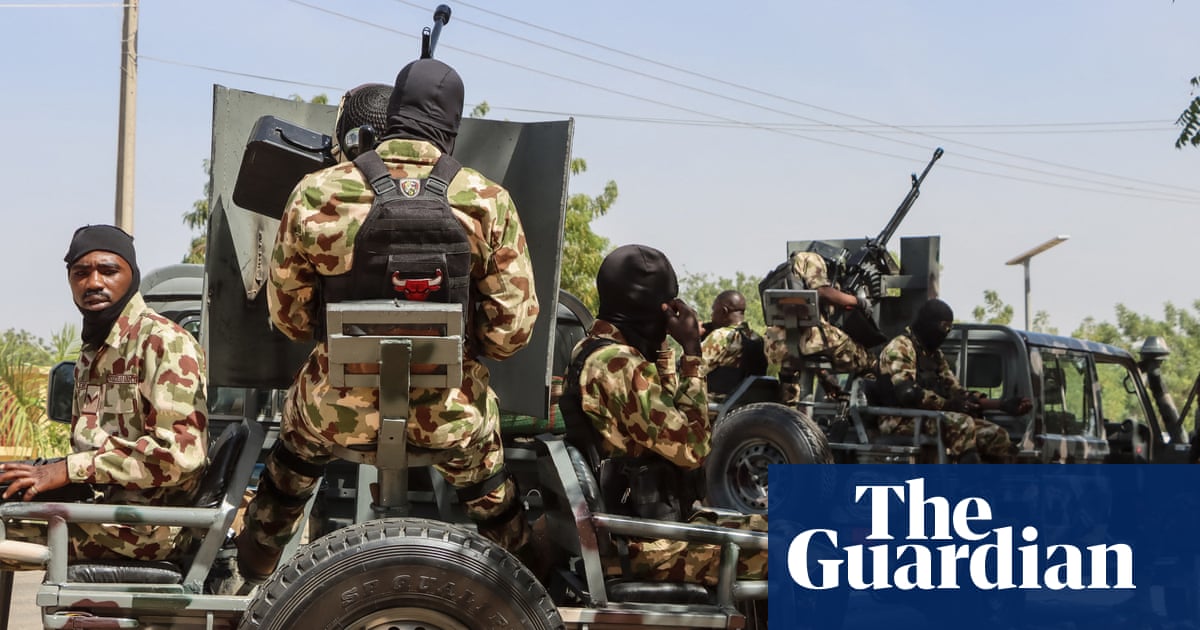
Coordinated attacks by Jama’a Nusrat ul‑Islam wa al‑Muslimin and the Front de Libération de l’Azawad hit Bamako, Kati, Kidal, Gao and Mopti on 25 April, including the car‑bomb assassination of Defence Minister Sadio Camara in Kati, with witnesses reporting Russian mercenary involvement near Bamako airport; Bamako and Russia’s Africa Corps characterised the events as a thwarted coup attempt. Renewed coordinated attacks were reported on 4 July at locations including Anafif and Kenioroba, indicating sustained insurgent tempo. In Nigeria, armed men presented by authorities as Boko Haram kidnapped 46 students and staff in Oyo on 15 May; security forces freed them on 10 July, killing several kidnappers and arresting eight, with indications the army suffered casualties. Nigerian forces also claim to have killed more than 300 bandits in Zamfara. Across West Africa and the Sahel, armed groups are very likely adopting drones and sophisticated communications. The humanitarian toll remains severe, with approximately 6.8 million displaced since February, constrained access, and only 14 percent of 2026 humanitarian funding met. Diplomacy is active, from reopening the Kamba Niger, Nigeria border post and Sierra Leone’s mediated political accord, to the UN Security Council’s extension of UNOWAS, but the threat in the central Sahel and northern Nigeria remains acute.
Key judgments
- Very likely a coordinated, multi‑city insurgent offensive struck Mali on 25 April, including JNIM’s car‑bomb attack that killed Defence Minister Sadio Camara in Kati, with simultaneous gunfire in Gao, Sévaré, Kidal and Mopti, and reported fighting near Bamako airport that involved Russian mercenaries; Bamako and Russia’s Africa Corps framed the events as a thwarted coup attempt. (Confidence: high · REPORTED)
- I&W: Malian authorities publish judicial or forensic findings naming cells linked to the 25 April network. (1-3 months)
- I&W: Insurgent communiqués or further urban attacks in Bamako or Kati claimed by JNIM or FLA. (0-14 days)
- Likely the insurgent campaign in Mali retains momentum following renewed coordinated attacks on 4 July at locations including Anafif and Kenioroba, and it is plausible that the FLA held Kidal at the end of 25 April, though territorial control claims remain less corroborated. (Confidence: medium · ASSESSED)
- I&W: Verified imagery or third‑party geolocated reports showing FLA administrative presence in Kidal. (0-14 days)
- I&W: Publicised redeployment or patrolling by Malian forces in Kidal town with corroborated imagery. (0-14 days)
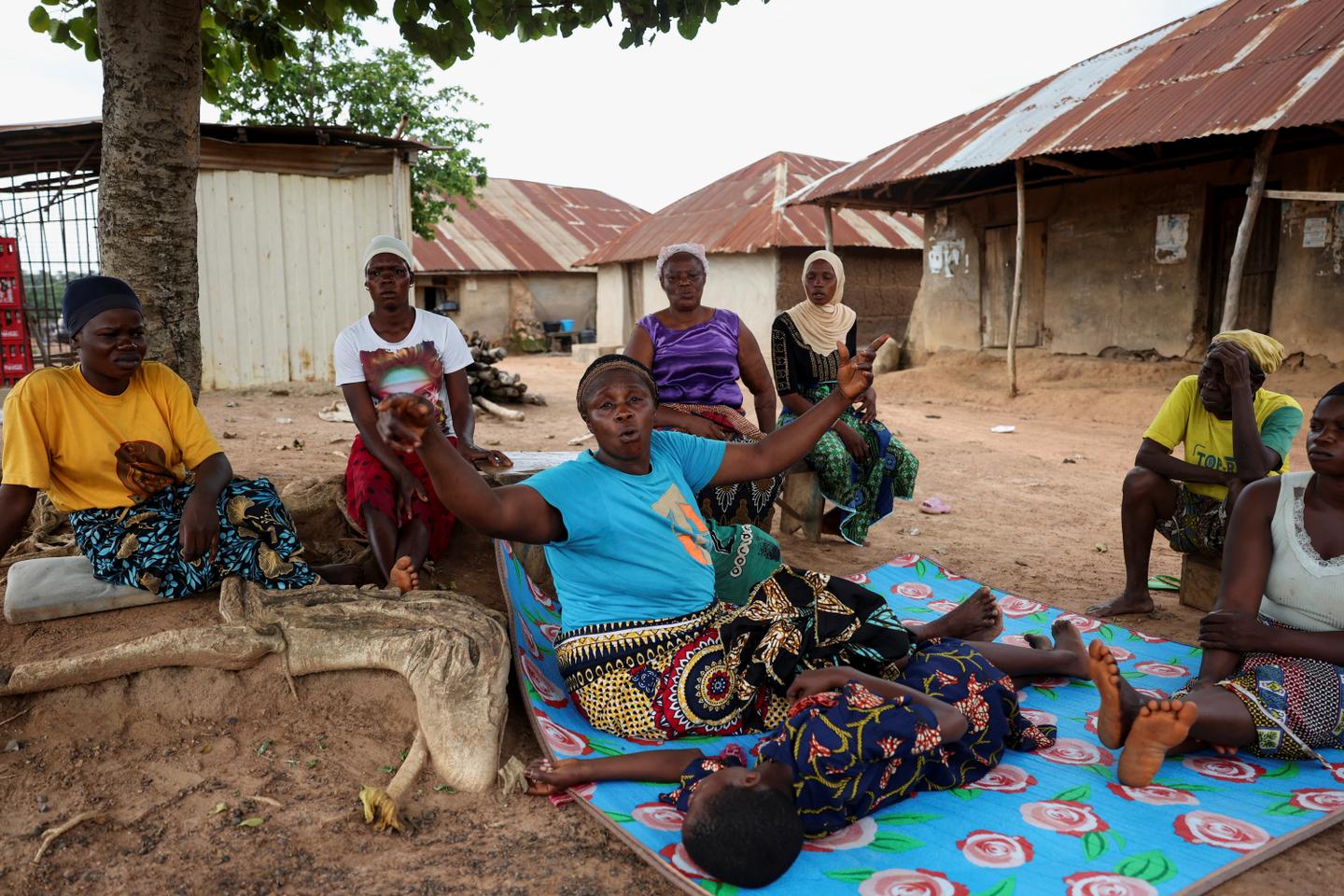
- Almost certainly jihadist‑linked kidnapping networks are operating in south‑west Nigeria: on 15 May armed men presented by authorities as Boko Haram abducted 46 students and staff in Oyo, and on 10 July security forces rescued them, killing several kidnappers and arresting eight, with indications of army casualties during the operation. (Confidence: medium · REPORTED)
- I&W: Further arrests or court filings in Oyo naming Boko Haram or affiliated cells. (0-14 days)
- I&W: Follow‑on abduction attempts or attacks in Oyo, Osun or Ogun claimed by jihadist actors. (0-14 days)
- Likely the Nigerian military inflicted heavy losses on kidnapping and cattle‑raiding gangs in Zamfara, with officials citing more than 300 killed in a two‑day operation in Gummi district and concurrent reports of joint action with local vigilantes. (Confidence: medium · REPORTED)
- I&W: Independent corroboration of casualty figures by third‑party monitors or verifiable imagery. (1-3 months)
- I&W: Retaliatory raids by gangs in Gummi or adjacent LGAs indicating residual capability. (0-14 days)
- Armed groups across West Africa and the Sahel are very likely adopting drones and sophisticated communications, increasing their operational reach and resilience against state forces. (Confidence: high · REPORTED)
- I&W: Security force reporting of downed or recovered militant drones in Mali, Burkina Faso or Nigeria. (0-14 days)
- I&W: Intercepted militant comms shifting to encrypted platforms noted in official briefings. (1-3 months)
- The humanitarian crisis is worsening: approximately 6.8 million people have been displaced since February across West Africa and the Sahel, humanitarian access is constrained, and only 14 percent of 2026 funding has been received, with attacks on schools compounding long‑term harm. (Confidence: high · REPORTED)
- I&W: OCHA or UN agency updates show funding below 25 percent and continued access denials. (1-3 months)
- I&W: Education cluster reporting of additional school closures due to insecurity. (0-14 days)
- Regional diplomacy is gaining traction but will not quickly offset the acute threat in the central Sahel and northern Nigeria: border normalisation, mediation, and an extended UNOWAS mandate coexist with persistent militant targeting. (Confidence: medium · ASSESSED)
- I&W: Additional ECOWAS or UNOWAS‑facilitated accords or border reopenings announced. (1-3 months)
- I&W: Cancellation or breakdown of planned UNOWAS‑convened dialogues. (0-14 days)
Outlook & scenarios
Sahel insurgency sustains high operational tempo in Mali (60%)
JNIM and the FLA maintain pressure with periodic multi‑node attacks extending beyond the north into Bamako’s periphery, while Malian forces and Russia’s Africa Corps focus on urban defence and main supply routes. Urban assassination attempts and car‑bombings remain a recurrent risk in Kati and Bamako.
South‑west Nigeria faces further jihadist‑linked abductions (50%)
Cells linked by authorities to Boko Haram test targets in Oyo and neighbouring states, prompting surge operations and mixed outcomes. School security and road travel risks increase, with rapid‑response rescues reducing dwell time but entailing force casualties.
Incremental diplomatic gains without rapid security improvement (40%)
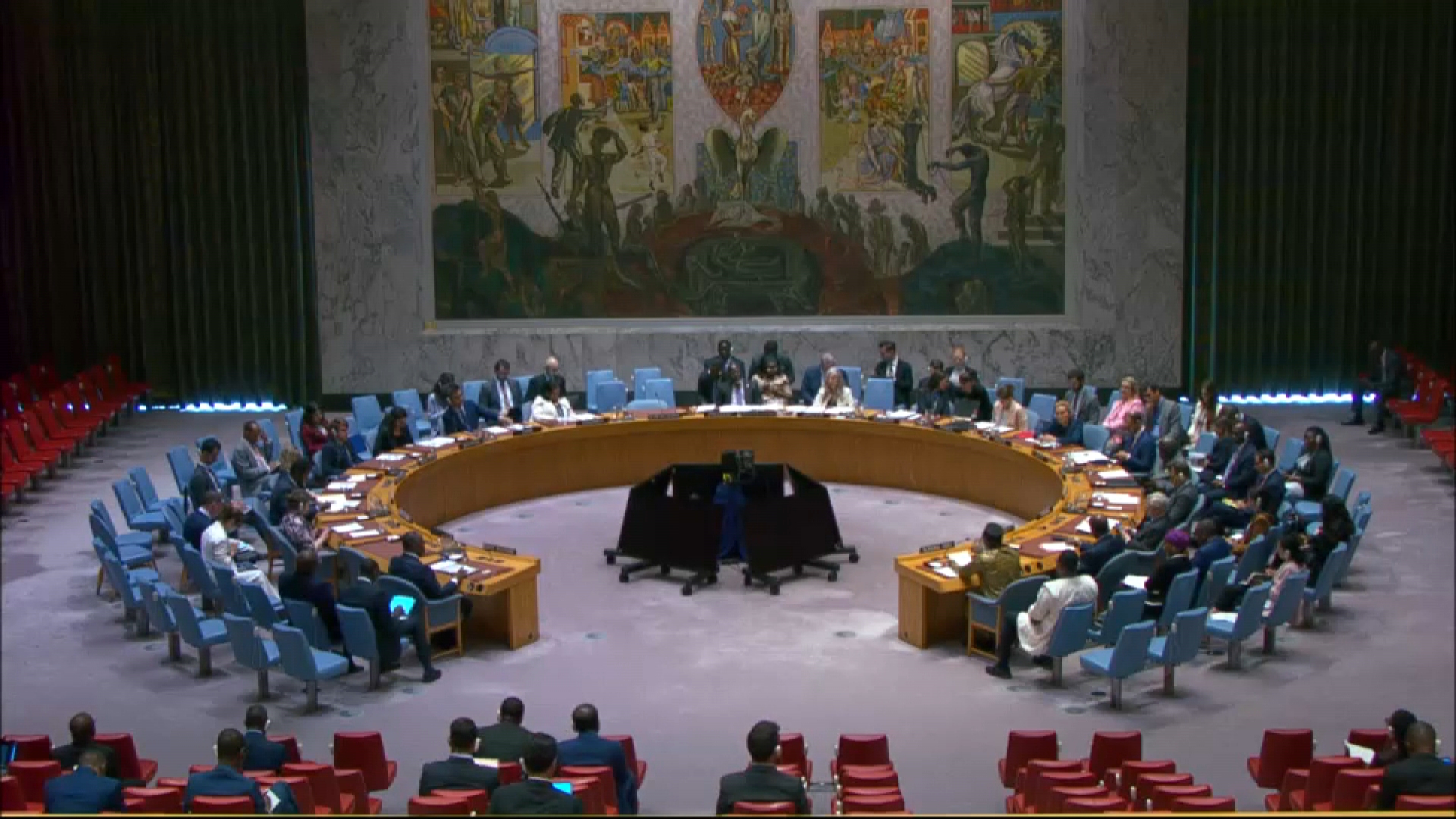
UNOWAS’ extended mandate, AU engagement, and ECOWAS initiatives yield selective openings such as border normalisation and political de‑escalation, yet militant activity in the central Sahel and northern Nigeria continues to drive displacement and aid gaps.
Wildcard: Expanded militant use of small drones in coastal West Africa (20%)
Building on observed adoption of drones in the Sahel, militants deploy small quadcopters for reconnaissance and IED delivery in Gulf of Guinea coastal states, complicating urban security responses and stressing counter‑UAS gaps.
Recommendations
- Prioritise collection on JNIM and FLA claims and media, geolocate attack footage from Bamako, Kati, Kidal, Gao and Mopti, and map facilitation networks tied to the 25 April and 4 July operations for continuity analysis.
- Task Nigeria reporting to track south‑west threat migration: fuse police blotters, presidency statements and court filings from Oyo with open‑source geospatial cues to validate jihadist attribution and identify enablers.
- Build an incident‑level dataset on militant drone sightings, downings and recovered parts across Mali, Burkina Faso and Nigeria to inform counter‑UAS planning and procurement advice.
- Establish an indicators deck for Zamfara: independently verify reported casualty figures and monitor for retaliatory raids in Gummi and adjacent districts to assess whether force pressure is degrading gang capacity.
- Integrate humanitarian access and funding baselines into operational planning: cross‑walk displacement trends with aid shortfalls to anticipate where insecurity will outpace service delivery in the next quarter.
- Exploit diplomatic touchpoints: monitor outputs from UNOWAS, AU and ECOWAS, and track follow‑through on the Kamba border reopening and Sierra Leone accord as leading indicators of wider regional coordination.
- Brief education and civilian protection stakeholders on school‑targeting risks highlighted by recent abductions, including practical hardening measures and crisis communications protocols.
Confidence & uncertainty
Overall confidence is medium because several core developments rest on multiple independent, reliable sources that corroborate one another, notably UN and major media reporting on the Mali offensives, Oyo kidnappings and rescue, militant adoption of drones, and the humanitarian picture. Some elements, including the extent and durability of territorial control in Kidal and precise casualty figures in Zamfara, derive from single‑source or government claims and are not yet independently verified, which tempers confidence. Diplomatic effects on security trends are also inherently uncertain at this stage.
Alternative analysis (red cell)
The evidence base contains multiple lower‑grade reports and government attributions without independent corroboration; several key inferences (multi‑city coordination, sustained territorial control, jihadist attribution, large casualty counts) are not conclusively demonstrated. A cautious alternative estimate is that the incidents reflect episodic, localized attacks and contested control with government narratives and unverified figures amplifying strategic implications; durable momentum or decisive security shifts are not yet clearly established by the available reporting.
Cited sources
[1] United Nations · Renewed Diplomacy Beginning to Yield Results in West Africa, Sahel Despite Growing Terrorist Threat, Top Official for Region Tells Security Council (A) · sha256:0dc338479901 [2] Wikipedia · 2026 Mali offensives (B) · sha256:23eaae2b4f04 [3] Le Monde · Au Nigeria, les forces de l’ordre libèrent plusieurs dizaines d’élèves et leurs professeurs enlevés en mai (A) · sha256:7fba68527e4c [4] theguardian.com · Nigeria says army has killed 300 bandits in north-western state of Zamfara (A) · sha256:9539a76961f5 [5] United Nations · UN / WEST AFRICA THE SAHEL (A) · sha256:5b32bc02133e
Source content hashes were computed at collection time; the cited text is preserved unmodified for the life of this product.
Red cell review: PARTIAL DISSENT — KJ-3 downgraded HIGH→MEDIUM (estimative_mismatch)
TLP:CLEAR