TLP:CLEAR · Disclosure is not limited.
West Africa: Jihadist threat picture and state responses, 26 June-3 July 2026
Time window: Last 7 days · Audience: General analyst · Type: Situation report · DTG: 2026-07-03 12:17Z · Overall confidence: LOW
BLUF
Côte d’Ivoire faces an ongoing jihadist threat from JNIM and AQIM along its northern border despite an official report of no recent incidents. Burkina Faso’s rupture with France and tilt to Russia and China risks complicating regional counterterrorism coordination, while evidence from northern Mali points to likely cluster munition use after Malian airstrikes, raising humanitarian risk armed groups can exploit.
Executive summary
The U.S. warns of terrorist risk in northern Côte d’Ivoire and identifies Jama’at Nusrat al-Islam wal-Muslimin and AQIM as the principal threats, noting both groups have previously conducted cross-border attacks from Burkina Faso, even as it reports no recent known violent extremist incidents. Abidjan has strengthened its posture, creating the Counterterrorism Operational Intelligence Centre and a Northern Operational Zone. In Burkina Faso, years-long extremist violence persists, and the military government has cut or suspended ties with France, accused Paris of malign intent, and pivoted towards Russia and China, creating uncertainty for Western security cooperation. In northern Mali, unexploded Russian-made cluster bomblets documented at Tadjmart after Malian airstrikes likely indicate use of cluster munitions despite Mali’s CCM commitments, elevating civilian risk. In Nigeria’s northwest, an entrenched insurgency has killed thousands over the years and local officials characterise lethal rural attacks as terrorism. NASA recorded 75 thermal anomalies across West Africa from 29 June to 3 July, but these detections capture heat, not cause, and cannot by themselves confirm conflict activity.
Key judgments
- JNIM and AQIM remain the primary militant threat to northern Côte d’Ivoire, and the risk of a cross-border attack from Burkina Faso is likely to persist despite an official report of no recent violent extremist incidents. (Confidence: medium · ASSESSED)
- I&W: Ivoirian authorities or jihadist channels claim a new attack in the northern border region with Burkina Faso. (0-14 days)
- I&W: Official reporting continues to note no violent extremist incidents in the northern border region and travel advisories are downgraded. (1-3 months)
- Côte d’Ivoire’s creation of the Counterterrorism Operational Intelligence Centre and the Northern Operational Zone has very likely improved border defence and contributed to the current lull in attacks. (Confidence: medium · ASSESSED)
- I&W: Publicised interdictions or arrests by CROAT or the Northern Operational Zone along the Burkina Faso frontier. (0-14 days)
- I&W: A successful multi-casualty raid on a security post in the northern border region. (0-14 days)
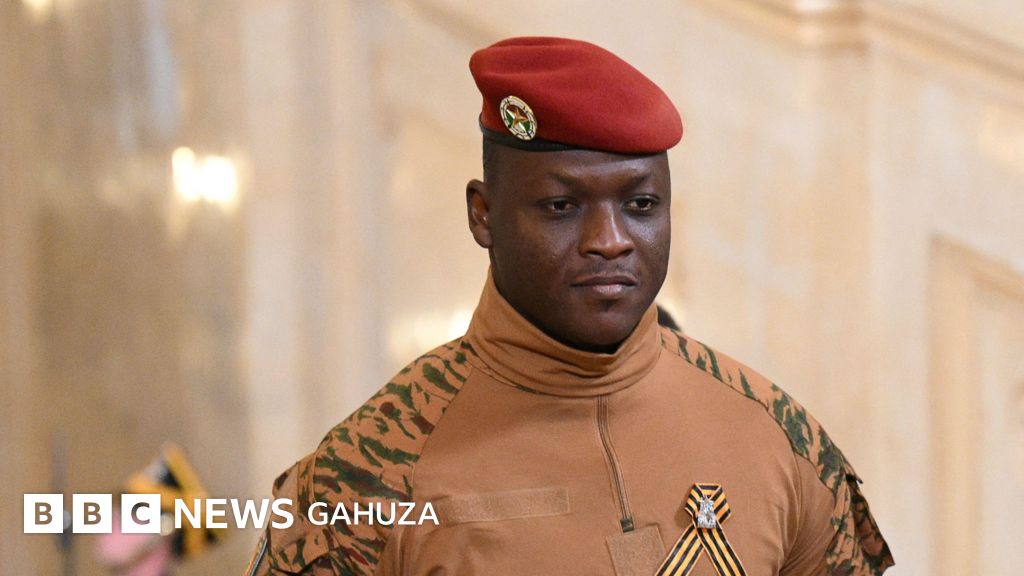
- There is a roughly even chance that Burkina Faso’s break with France and overtures to Russia and China will reduce Western security cooperation in the near term and complicate regional counterterrorism coordination. (Confidence: low · ASSESSED)
- I&W: Ouagadougou announces new Russian security assistance deployments or equipment deliveries for internal security operations. (1-3 months)
- I&W: Public resumption of operational security cooperation with France, such as formal liaison or joint activities. (1-3 months)
- Unexploded Russian-made submunitions documented at Tadjmart after Malian airstrikes likely indicate recent cluster munition use in northern Mali, contravening Mali’s CCM commitments and heightening civilian risk. (Confidence: medium · ASSESSED)
- I&W: Additional verified imagery or on-site documentation of ShOAB-0.5 bomblets in Tadjmart or adjacent villages by independent monitors. (0-14 days)
- I&W: An official investigation by Malian authorities or a credible international body concludes no cluster munitions were used. (1-3 months)
- Armed violence against rural communities in north-western Nigeria is likely to persist at lethal levels, with local officials characterising attacks as terrorism. (Confidence: low · ASSESSED)
- I&W: State police or local officials report new fatal raids in Zamfara or neighbouring north-western states. (0-14 days)
- I&W: A sustained month-long absence of state-reported fatal attacks in Zamfara. (1-3 months)
Outlook & scenarios
Border quiet holds in northern Côte d’Ivoire (60%)
The strengthened posture of the Counterterrorism Operational Intelligence Centre and the Northern Operational Zone helps deter cross-border raids, and official reporting continues to note no recent violent extremist incidents in the northern border region. Travel advisories remain cautious but are not tightened.
JNIM conducts a cross-border raid into northern Côte d’Ivoire (40%)
Jama’at Nusrat al-Islam wal-Muslimin exploits seams along the Ivoirian-Burkinabè frontier to stage an attack on security forces or a roadside target, validating U.S. warnings about terrorism risk and prompting Abidjan to tighten movement controls in the north.
Burkina Faso’s pivot constrains Western cooperation (50%)
With ties to France cut or suspended and a declared tilt towards Russia and China, Ouagadougou reduces Western liaison and training. Coordination against extremist groups linked to Al Qaeda and Islamic State becomes harder across borders, raising operational friction for partners.
Mali cluster munition controversy escalates (30%)
Further documentation of submunitions after air operations in northern Mali triggers international scrutiny. Civilian harm concerns grow, providing propaganda material to armed groups and complicating state counterinsurgency efforts.
Recommendations
- Maintain close watch on the U.S. Côte d’Ivoire travel advisory and align field risk postures to the stated terrorism risk in the northern border region; enforce night-driving restrictions outside major cities for staff movements.
- Engage with Ivoirian counterparts and open sources to track activity by the Counterterrorism Operational Intelligence Centre and the Northern Operational Zone, focusing on interdictions and arrest announcements along the Burkina Faso frontier.
- Stand up OSINT alerting for JNIM and AQIM claims relating to northern Côte d’Ivoire and the Burkina Faso border, and pre-plan rapid verification workflows for any claimed incidents.
- Task geospatial monitoring to flag NASA VIIRS thermal clusters emerging near the northern border region of Côte d’Ivoire and northern Mali, acknowledging these detections record heat, not cause, and require corroboration.
- Collect, preserve and geolocate imagery from Tadjmart and surrounding areas to assess submunition presence following reported Malian airstrikes; prepare to brief on humanitarian risk and treaty compliance implications.
- Build and maintain a Burkina Faso diplomatic and security cooperation timeline to clarify whether relations with France are severed or suspended and to track any new Russian or Chinese security assistance announcements.
- Maintain a standing watch on state-reported incidents in Zamfara and neighbouring north-western Nigerian states, with rapid escalation criteria for lethal attacks characterised as terrorism by local officials.
Confidence & uncertainty
Overall confidence is low. Several judgments rest on medium-confidence official and media reporting with notable contradictions and gaps. Côte d’Ivoire reporting simultaneously flags terrorism risk and an absence of recent incidents, which tempers certainty. Burkina Faso’s status with France is described variously as severed or suspended, and elements of its force posture reporting are low-confidence. Evidence for cluster munition use in Mali draws on geolocated OSINT and media but lacks an official forensic finding. Nigerian incident data cited are older, providing pattern but limited timeliness. Satellite thermal detections are reliable but non-attributive, limiting their evidentiary value for conflict activity without corroboration.
Alternative analysis (red cell)
The source set is fragmentary and internally inconsistent; alternative interpretations are reasonable. Historical ties between JNIM/AQIM and northern Côte d’Ivoire are clear, but evidence of active, recent cross-border operations is not established. CROAT/ZON exist, yet there is no presented operational data proving they caused a lull. Burkina Faso’s diplomatic shifts are real, but the near-term impact on Western CT cooperation is unproven, and the Tadjmart munitions and Nigeria violence items lack sufficient forensic or longitudinal corroboration to sustain the stronger judgments.
Cited sources
[1] U.S. Department of State · Cote d'Ivoire Travel Advisory (A) · sha256:d92eb303ef23 [2] Los Angeles Times · Burkina Faso cuts diplomatic relations with France, once a key ally - Los Angeles Times (A) · sha256:baa65fcc9883 [3] BBC News · Burkina Faso yaciye imigenderanire na France - BBC News Gahuza (A) · sha256:0186ed526c23 [4] bellingcat.com · Banned Russian Submunitions Found After Mali's Military Announces Airstrikes - bellingcat (A) · sha256:6788d3465fd7 [5] Los Angeles Times · Gunmen attack farming community, killing at least 15 in Nigeria - Los Angeles Times (A) · sha256:7851b48f181c
Source content hashes were computed at collection time; the cited text is preserved unmodified for the life of this product.
Red cell review: PARTIAL DISSENT
TLP:CLEAR