TLP:CLEAR · Disclosure is not limited.
West Africa: Niamey Attack and Limits of Jihadist Surge Evidence
Time window: Last 7 days · Audience: General analyst · Type: Situation report · DTG: 2026-08-30 00:06Z · Overall confidence: MEDIUM
BLUF
The reporting confirms a serious security environment but does not substantiate a region-wide jihadist surge across Mali and Niger. An armed attack struck Niamey airport and the presidency on 29 August 2026, while conflicting reports leave the attackers' identity and control of key sites unresolved. North-west Nigeria faces severe displacement and kidnapping, but the supplied claims describe the perpetrators as bandits rather than identified jihadist groups.
Executive summary
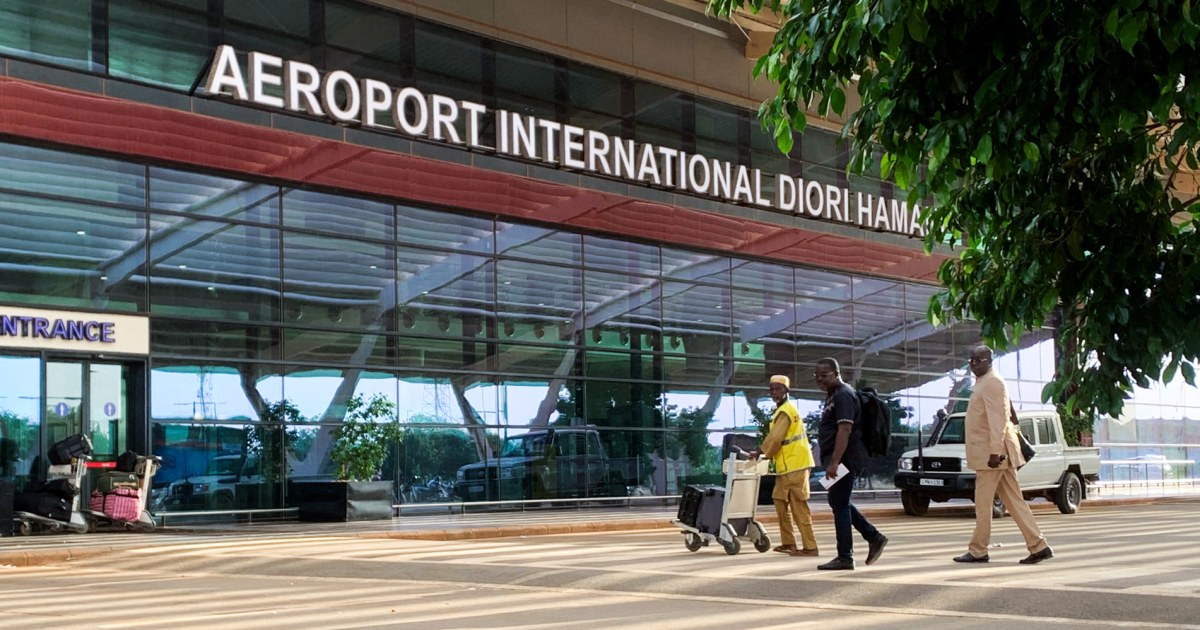
Niger is the immediate focal point. Mutinous soldiers were reported to have attacked Niamey airport and the presidency on 29 August 2026, while other reporting described the attackers as unknown and said the airport area remained contested. Niger's defence ministry reported that forces were retaking the targeted sites, and the presidential palace appeared secured by 0900 GMT. The Nigerien junta led by General Abdourahamane Tiani has shifted away from Western partners towards Russia and has reallocated former Orano and GoviEx uranium permits to state-backed companies. In north-west Nigeria, the UN estimates that 800,000 people have been displaced and SBM Intelligence estimates 7,825 kidnappings between July 2025 and June 2026. The supplied reporting contains no named attack in Mali and does not establish that the Nigerian violence is jihadist.
Key judgments
- The 29 August 2026 attack in Niamey almost certainly occurred, but the identity of the attackers and control of the airport remain unresolved. Reporting variously attributes the incident to mutinous soldiers or unknown attackers, says loyalist troops were retaking sites, and records both apparent security at the presidential palace and continued contest around the airport. (Confidence: medium · ASSESSED)
- I&W: CONFIRM: Niger's defence ministry, loyalist troops, or independent imagery identifies the attackers and confirms control of both Niamey airport and the presidency. (0-14 days)
- I&W: BREAK: A documented correction shows that the 29 August reporting referred only to the separate 30 January 2026 airport attack, or establishes that no armed attack occurred in Niamey on 29 August. (0-14 days)
- Niger's government under General Abdourahamane Tiani is likely to continue its political and economic realignment away from Western partners towards Russia, increasing the importance of Niger's uranium policy to external leverage. The government has reallocated former Orano and GoviEx permits to state-backed companies, while Niger previously accounted for about 15 percent of Orano's uranium supply at full capacity. (Confidence: medium · ASSESSED)
- I&W: CONFIRM: Niger announces another transfer of former Orano or GoviEx permits to state-backed companies or announces a new formal arrangement with Russia. (1-3 months)
- I&W: BREAK: Niger publicly restores cooperation with Western partners and reverses the reported permit reallocations. (1-3 months)
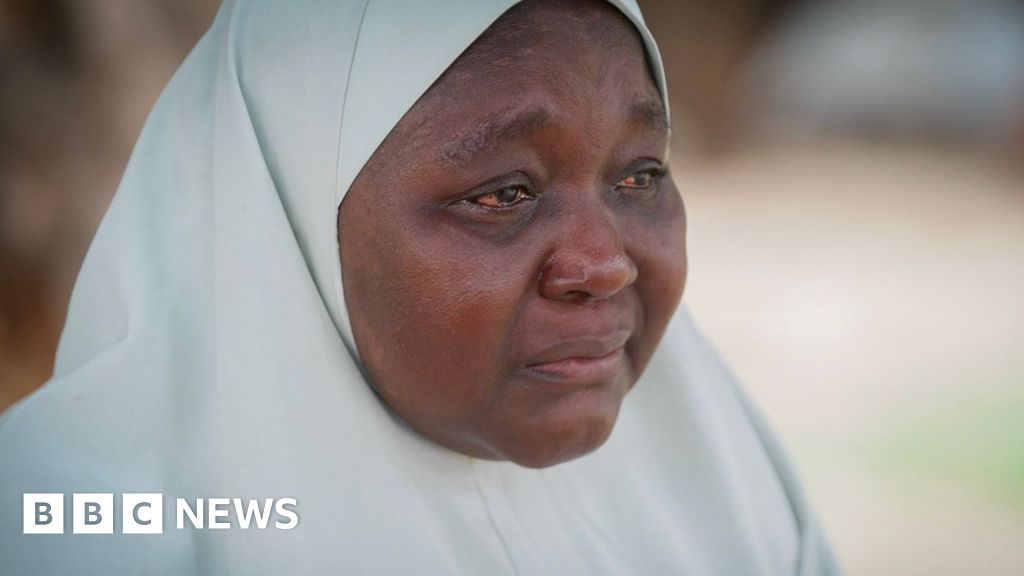
- North-west Nigeria is very likely to remain under severe insecurity pressure, with the available reporting documenting an estimated 800,000 displaced people, 7,825 kidnappings between July 2025 and June 2026, and attacks by bandits in Zamfara. The evidence for sustained insecurity is stronger than the evidence for a specifically jihadist campaign. (Confidence: medium · ASSESSED)
- I&W: CONFIRM: A fresh UN displacement update or SBM Intelligence assessment records additional displacement or kidnappings in north-west Nigeria. (1-3 months)
- I&W: BREAK: Nigerian authorities or independent reporting attribute the Zamfara and Bia Buki attacks to an identified IS or al-Qaida affiliate rather than bandits. (0-3 months)
- It is unlikely that the supplied reporting demonstrates a region-wide surge in jihadist attacks across Mali and Niger. It identifies a general IS and al-Qaida threat in the Sahel, one contested armed attack in Niamey, and violence in north-west Nigeria whose perpetrators are described as bandits. No supplied claim identifies a jihadist attack in Mali. (Confidence: insufficient · ASSESSED)
- I&W: CONFIRM: No verified attack in a named Malian locality and no independently corroborated IS or al-Qaida attribution in Niger appear in subsequent reporting. (1-3 months)
- I&W: BREAK: A verified attack in a named Malian locality, together with an independently corroborated IS or al-Qaida attribution in Mali or Niger, is reported. (0-3 months)
Outlook & scenarios
Niamey crisis contained (45%)
Loyalist forces secure the airport and presidency, and the 29 August incident remains an isolated internal security crisis. Attribution stays contested, but General Abdourahamane Tiani's government remains in place.
Prolonged contest over key sites (30%)
The airport area remains contested after loyalist forces are dispatched, producing further clashes and temporary disruption in Niamey. Conflicting accounts continue to obscure whether the incident reflects a mutiny, an internal factional struggle, or another armed challenge.
Persistent Nigerian insecurity without confirmed jihadist expansion (55%)
Kidnappings and village attacks continue in Zamfara and the wider north-west, adding to displacement and pressure on Nigeria's security institutions. The available reporting still distinguishes this violence from confirmed IS or al-Qaida operations.
Wildcard: successful military rupture in Niger (10%)
Mutinous soldiers seize or retain critical sites in Niamey and displace General Tiani's government. The outcome would sharply deepen uncertainty over Niger's political alignment, uranium policy, and security partnerships.
Recommendations
- Maintain separate analytic tracks for jihadist violence, banditry, and military or factional violence. Do not characterise the Zamfara attacks or the Niamey incident as jihadist operations without specific attribution.
- Prioritise a 24 to 72 hour validation effort on the 29 August Niamey incident. Reconcile the January and August dates, identify the attackers, and establish the status of the airport and presidential compound using official Nigerien reporting and independent imagery.
- Use the UN estimate of 800,000 displaced people and the SBM Intelligence estimate of 7,825 kidnappings as baseline measures for monitoring north-west Nigeria. Flag any new displacement estimate, kidnapping count, or named attack in Zamfara for immediate reassessment.
- Track public decisions by General Abdourahamane Tiani's government on former Orano and GoviEx permits and on relations with Western partners and Russia. Treat further permit reallocations or formal security arrangements as indicators of deeper realignment.
- Do not brief a region-wide jihadist surge across Mali and Niger until reporting includes a verified attack in Mali or an independently corroborated IS or al-Qaida attribution in either country.
Confidence & uncertainty
Overall confidence is medium. The Niamey attack, Niger's political realignment, and the humanitarian burden in north-west Nigeria are supported by reporting from high-reliability multilateral and major media sources. Confidence is reduced by conflicting accounts of the Niamey attacker's identity and territorial control, single-source elements in the Nigerian figures, and the absence of a named Mali incident or reliable attribution of the reported violence to jihadist groups.
Cited sources
[1] NBC News · Mutinous soldiers attack airport, presidency in Niger capital (A) · sha256:fbc766155202 [2] jpost.com · Mutinous soldiers attack airport, presidency in Niger capital, sources say (B) · sha256:b2193badcc7d [3] BBC · Nigeria's growing kidnapping crisis: 'If you started running, they shot you' (A) · sha256:22ffb2e4bd8f [4] The Media Line · Stopped at the Border, Dangerous at Home: Europe’s New Islamic State Problem - The Media Line (B) · sha256:827a9771f902
Source content hashes were computed at collection time; the cited text is preserved unmodified for the life of this product.
TLP:CLEAR