TLP:CLEAR · Disclosure is not limited.
West Africa Security: Russian Engagement Deepens Amid Limited Attack Evidence
Time window: Last 1 day · Audience: General analyst · Type: Situation report · DTG: 2026-07-09 14:12Z · Overall confidence: MEDIUM
BLUF
There is no direct evidence of a surge in jihadist attacks in West Africa during this reporting window, though Russian diplomatic engagement with military regimes in Burkina Faso, Mali, and Niger has intensified. NASA recorded 27 thermal anomalies in the region, but these cannot be confirmed as conflict-related without corroboration. Russia's continued military support for these states indicates persistent security challenges despite the absence of confirmed new attacks.
Executive summary
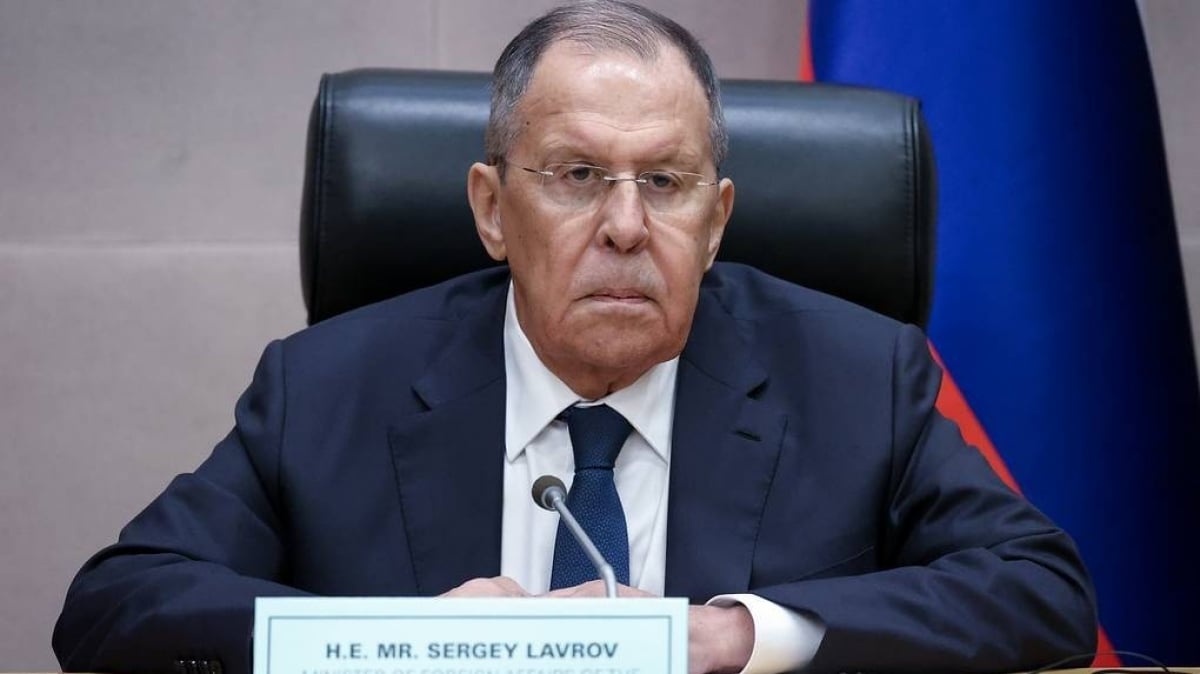
Russian Foreign Minister Sergey Lavrov's visit to Niger on 8 July 2026 and explicit statements affirming continued military support for Burkina Faso, Mali, and Niger demonstrate deepening security cooperation between Moscow and these West African military regimes. While these states cut relations with France and strengthened ties with Russia following coups between 2020-2023, the current 24-hour window lacks direct reporting of new jihadist attacks. NASA detected 27 thermal anomalies across West Africa, but as previously noted, these heat signatures alone cannot confirm conflict activity. Russia's public commitment to supporting the African coalition against Sahel-based jihadist groups indicates ongoing security concerns despite the absence of verified new attacks.
Change from previous assessment
Since the prior brief on 7 July, Russian diplomatic engagement has intensified with Foreign Minister Lavrov's confirmed visit to Niger and explicit statements about continuing military support for Burkina Faso, Mali, and Niger. This represents a concrete development beyond the prior reporting of Morocco disrupting an IS-Sahel cell, indicating persistent security dynamics driving political realignments. However, as in the previous window, there remains no direct evidence of new jihadist attacks in West Africa during this period, with NASA thermal anomalies again providing only indirect indicators that cannot be verified as conflict-related.
Key judgments
- Russia is deepening military cooperation with Burkina Faso, Mali, and Niger, as demonstrated by Foreign Minister Sergey Lavrov's 8 July visit to Niger and explicit commitments to continue military support for these states' armed forces. (Confidence: medium · REPORTED)
- I&W: Formal announcement of new Russian military advisers deployed to any of the three countries (0-14 days)
- I&W: Public identification of specific Russian military equipment shipments to Burkina Faso, Mali or Niger (1-3 months)
- There is no direct evidence of new jihadist attacks in West Africa during this reporting window, though Russia publicly affirmed its support for the African coalition fighting jihadist groups operating in the Sahel region. (Confidence: medium · ASSESSED)
- I&W: Verified reports of new jihadist attacks published by credible international organisations or national security agencies (immediate)
- I&W: Official statements from African Union or G5 Sahel confirming specific new attacks (0-7 days)
- The political alignment of Burkina Faso, Mali, and Niger has shifted decisively toward Russia, with these states cutting relations with France and strengthening cooperation with Moscow following military coups between 2020 and 2023. (Confidence: medium · REPORTED)
- I&W: Formal withdrawal from French-led regional security initiatives by any of the three states (1-3 months)
- I&W: Announcement of joint Russian-West African military exercises (0-60 days)
- NASA recorded 27 active fire/thermal anomalies in West Africa on 9 July 2026, but these heat signatures cannot be confirmed as conflict-related without ground verification given their multiple potential causes. (Confidence: low · REPORTED)
- I&W: Corroborating reports from NGOs or local authorities confirming military clashes at thermal anomaly locations (0-7 days)
- I&W: Satellite imagery analysis identifying destroyed vehicles or structures at anomaly sites (0-14 days)
Outlook & scenarios
Persistent Instability (65%)
Russian military engagement with Burkina Faso, Mali, and Niger continues without significantly altering the security landscape, as Wagner Group-style advisers replace French forces but fail to reverse jihadist advances. Jihadist groups adapt tactics to counter new Russian-backed operations while maintaining territorial control in rural areas, with attacks continuing at current levels but not surging noticeably.
Escalated Insurgency (25%)
The transition from French to Russian security support creates operational gaps that jihadist groups exploit to increase attacks, particularly in border regions between Burkina Faso, Mali, and Niger. This leads to a measurable rise in violence over the next three months as Russian forces require time to establish effective counterinsurgency capabilities, with attacks potentially expanding into coastal West African states.
Russian Counter-Insurgency Success (10%)
Russian military support proves more effective than French efforts in countering jihadist groups, leading to a measurable reduction in attacks within six months. Moscow's willingness to employ more aggressive tactics and less concern for human rights constraints enables territorial gains against groups like JNIM and ISGS, potentially stabilising the situation but increasing regional tensions with Western partners.
Recommendations
- Monitor Russian diplomatic channels for announcements of formal security agreements with Burkina Faso, Mali, or Niger that could indicate expanded military cooperation
- Coordinate with commercial satellite providers to obtain high-resolution imagery of NASA-identified thermal anomaly locations for conflict activity verification
- Track implementation of the West African aviation fee reduction initiative to assess impact on regional military mobility and counterterrorism coordination
- Analyse Russian military expenditure patterns toward African partners to identify potential escalation in support levels for Sahel security operations
Confidence & uncertainty
Confidence is assessed as medium due to corroboration across multiple media sources reporting on Russia's diplomatic engagement with West African states, though the absence of direct attack reporting means assessments about jihadist activity levels rely on inference. The key claims about Russian involvement come from multiple independent media outlets with high reliability scores, providing moderate corroboration. However, the lack of primary-source evidence regarding actual attack rates and heavy reliance on Russian government statements introduce uncertainty, particularly regarding the true security situation on the ground. No direct contradictions exist in the claims about Russian-West African security cooperation, but the evidence base remains thin for assessing actual jihadist attack patterns.
Intelligence gaps
- [EEI 1.1 · UNCOVERED] Intercepted or captured operational messages, orders, or timelines indicating planned attacks, named targets, or attack windows (dates/times) for specific towns, facilities, or convoys. Recommended collection: SIGINT
- [EEI 1.2 · UNCOVERED] Observed movement of armed groups, armed convoys, or weapons caches toward or within 20–100 km of named population centers, military bases, border crossing points, or major road/rail routes. Recommended collection: IMINT
- [EEI 1.3 · PARTIAL] Recent local reporting, social‑media posts, or detainee/source statements claiming operational readiness, recruitment of attack teams, or calls for immediate attacks against specific targets. Recommended collection: OSINT
- [EEI 2.1 · UNCOVERED] Estimated numbers of fighters (by group) present in defined districts/regions and recent trends (increasing, stable, decreasing) based on ground reports, detainee statements, or biometric registration. Recommended collection: HUMINT
- [EEI 2.2 · UNCOVERED] Identification and geolocation of training camps, safe havens, or arms depots, including imagery of training activity, firing ranges, or stockpiled weapons and explosives. Recommended collection: IMINT
- [EEI 3.1 · UNCOVERED] Documented instances and amounts of extortion/taxation on towns, markets, transporters, or humanitarian agencies, including receipts, lists of taxed goods, and affected road segments. Recommended collection: HUMINT
- [EEI 3.2 · UNCOVERED] Seizures or interdictions showing volumes and origins/destinations of trafficked commodities used for revenue (gold, drugs, charcoal, timber), and intercepted communications detailing smuggling routes or buyers. Recommended collection: LAW_ENFORCEMENT
- [EEI 3.3 · UNCOVERED] Financial intelligence on suspicious cross‑border transfers, known money‑courier movements, or identified donor networks linked to named groups, including remittance patterns and intermediary accounts. Recommended collection: FININT
- [EEI 4.1 · PARTIAL] Changes in government/security force posture: troop deployments/withdrawals by unit and location, declared states of emergency, curfews, checkpoints established or removed, and equipment transfers/arrivals. Recommended collection: OSINT
- [EEI 4.2 · UNCOVERED] Evidence of improved or degraded cross‑border security cooperation: joint patrols, information‑sharing agreements, troop movements across borders, or closing/opening of border crossings. Recommended collection: HUMINT
Cited sources
[1] vietnam.vn · وصفت روسيا أفريقيا بأنها تشهد "صحوة ثانية"، وأعلنت استمرار الدعم العسكري لدول الساحل. (B) · sha256:569cbcedda0b [2] firms.modaps.eosdis.nasa.gov · NASA FIRMS thermal detections — West Africa (1d) (F) · sha256:8e159f2a29dd
Source content hashes were computed at collection time; the cited text is preserved unmodified for the life of this product.
TLP:CLEAR