TLP:CLEAR · Disclosure is not limited.
West Africa SITREP: Acute jihadist threat in the Sahel and northern Nigeria amid Mali offensives and Nigerian operations
Time window: Last 7 days · Audience: General analyst · Type: Situation report · DTG: 2026-07-18 06:09Z · Overall confidence: MEDIUM
BLUF
The jihadist threat in the central Sahel and northern Nigeria is acute and very likely to intensify, with a real risk of spillover to Gulf of Guinea coastal states. Coordinated JNIM, Azawad Liberation Front offensives in Mali and stepped-up Nigerian operations in Zamfara define the security picture, while displacement across West Africa remains high and jihadist groups leverage AI to widen their reach.
Executive summary
The UN’s West Africa envoy warned on 25 July of an acute terrorist threat in the central Sahel and northern Nigeria, now rapidly targeting coastal states in the Gulf of Guinea. In Mali, JNIM and the Azawad Liberation Front launched simultaneous attacks on 25 April across Bamako, Kati, Gao, Kidal and Mopti that caused civilian and military casualties, followed by clashes in Kidal against government troops backed by Russian mercenaries, and renewed coordinated attacks on 4 July. In Nigeria, authorities report large-scale operations in Zamfara against armed gangs, with officials claiming more than 300 ‘terrorists’ killed, while residents corroborate the security push but not the casualty totals. Conflict-driven displacement remains severe, with 6.8 million internally displaced across West Africa and the Sahel as of end February, and pressure on Liberia rising as the Burkinabe population there has more than tripled since 2025 to 140,000. Concurrently, open reporting indicates jihadist organisations, including Boko Haram and affiliates, are using AI tools for tailored propaganda and technical assistance, facilitated by a permissive digital environment.
Key judgments
- Jihadist violence in the central Sahel and northern Nigeria is very likely to intensify over the next 1-3 months, with a real risk of operations spilling into Gulf of Guinea coastal states. (Confidence: high · ASSESSED)
- I&W: Official reporting or credible attack claims linked to JNIM in Benin, Togo or Ghana. (1-3 months)
- I&W: Sustained decline in JNIM-claimed attacks and state security incident reports in the central Sahel and northern Nigeria. (1-3 months)
- JNIM and the Azawad Liberation Front very likely degraded Malian state control in the north during coordinated offensives from 25 April, and the threat persisted into early July 2026. (Confidence: medium · ASSESSED)
- I&W: Additional multi-location attacks in northern and central Mali claimed by JNIM or the FLA. (0-14 days)
- I&W: Verified government re-entry and sustained presence in Kidal reported by multiple independent outlets. (1-3 months)
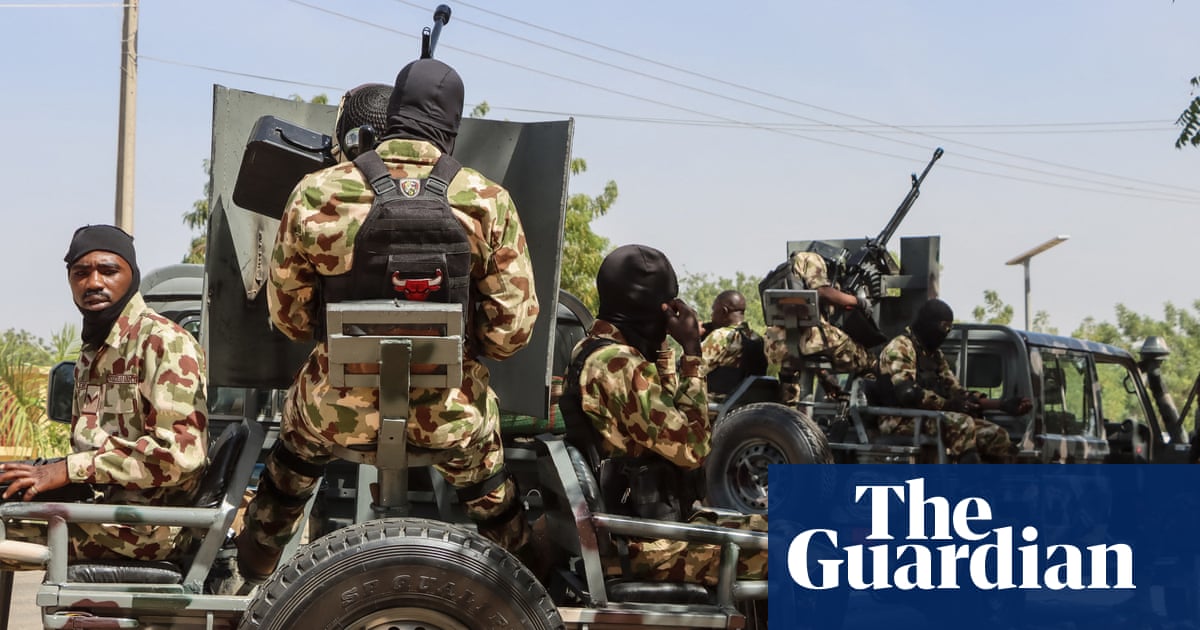
- Nigeria has intensified security operations against armed gangs in Zamfara, but there is a roughly even chance that the reported elimination of more than 300 fighters will remain uncorroborated. (Confidence: low · ASSESSED)
- I&W: Independent casualty verification by hospitals or reputable rights monitors that materially diverges from the 300-plus figure. (1-3 months)
- I&W: Multi-source reporting identifying 300 or more named fatalities linked to the Zamfara operation. (1-3 months)
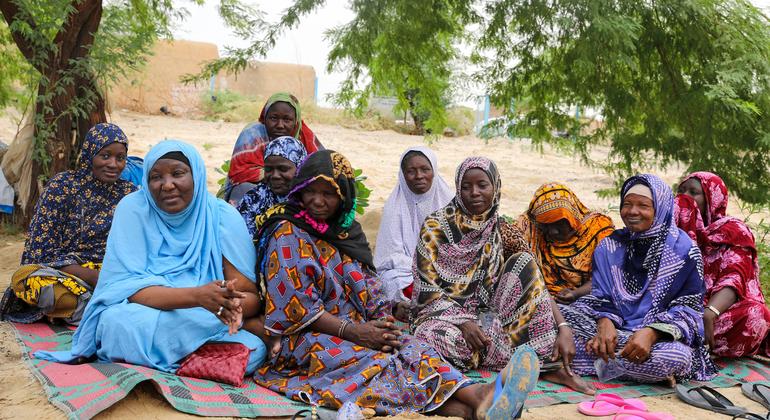
- Conflict-driven displacement across West Africa and the Sahel is likely to worsen, straining coastal host countries such as Liberia. (Confidence: medium · ASSESSED)
- I&W: Displacement tallies rising above 6.8 million in regional humanitarian reporting. (1-3 months)
- I&W: Liberia issues new measures or reporting reflecting Burkinabe resident numbers exceeding 140,000. (1-3 months)
- Jihadist organisations, including Boko Haram and affiliates in Nigeria and the Lake Chad region, are very likely using AI to produce tailored propaganda and obtain technical assistance at lower cost, expanding their digital reach. (Confidence: medium · ASSESSED)
- I&W: Platform takedown reports or seized materials showing chatbot-based support or AI-generated content linked to Boko Haram or affiliates. (1-3 months)
- I&W: Sustained absence of identifiable AI-generated content across monitored jihadist channels. (1-3 months)
- External involvement in Mali, including government troops backed by Russian mercenaries in Kidal, likely heightens escalation risks and complicates prospects for de-escalation. (Confidence: medium · ASSESSED)
- I&W: Further clashes in Kidal reported with mentions of Russian mercenary support to government units. (0-14 days)
- I&W: Credible reporting of a drawdown or withdrawal of Russian mercenary support from northern Mali. (1-3 months)
Outlook & scenarios
Spillover to Gulf of Guinea coastal states (55%)
Militant networks expand operations southward, generating first- or second-order attacks or infiltration attempts in coastal states. This builds on the UN warning of an acute, expanding threat targeting the Gulf of Guinea and the demonstrated operational tempo in Mali and northern Nigeria.
Entrenched conflict in northern Mali (50%)
JNIM, FLA sustain pressure through periodic multi-location attacks while Malian forces contest urban nodes such as Kidal with external backing. Territorial control remains fluid, and periodic clashes persist into the next quarter.
Intensified Nigerian operations with contested outcomes (45%)
Nigeria maintains aggressive raids against armed gangs in Zamfara and adjacent areas, but casualty figures remain disputed and the impact on jihadist-aligned actors is unclear. Civilian risk and displacement pressures continue.
Wildcard: Leadership shock in Bamako aggravates northern reversals (15%)
If high-level leadership casualties from the April offensives are confirmed and replicated, command disruption in Bamako could hinder coordinated counter-operations in the north, enabling insurgents to consolidate gains.
Recommendations
- Prioritise collection on potential spillover routes to Gulf of Guinea coastal states: monitor JNIM and FLA communiqués and local-language reporting from Benin, Togo and Ghana for incidents or arrests linked to Sahel-based cells.
- Maintain a Mali operations tracker: log locations, timings and claimed perpetrators for attacks in Gao, Kidal, Mopti and Bamako-Kati areas to assess tempo and state control trends.
- Task independent casualty verification in Zamfara: fuse hospital records, geospatial analysis and reputable rights monitoring to corroborate or challenge the 300-plus fatality claims.
- Stand up an AI-enabled extremism watch for Nigeria and Lake Chad: flag chatbot use, synthetically generated media and tutorial content, and shareable indicators for platform enforcement teams.
- Update displacement baselines monthly for West Africa and the Sahel and add Liberia as a priority watchpoint; assess stress on land, services and communal relations as Burkinabe arrivals rise.
- Track external military involvement in Mali, with specific attention to reported Russian mercenary backing in Kidal; map unit participation and any shifts in tactics or presence.
Confidence & uncertainty
Multiple high-confidence multilateral and major-media reports corroborate the acute threat in the Sahel and northern Nigeria and detail coordinated Mali offensives. However, several key elements rest on single-source or medium-confidence reporting, notably casualty figures in Zamfara and battlefield control assertions around Kidal. Reporting on jihadist AI usage draws from thematic coverage rather than multiple independent technical confirmations. These gaps, and some timeline and attribution ambiguities in the Mali and Nigeria items, keep overall confidence at medium.
Alternative analysis (red cell)
While senior-official warnings and reports of April–July attacks indicate elevated risk, the ledger lacks the tactical, administrative-control, and technical corroboration needed to support the stronger strategic inferences made in several judgments. A more cautious estimate is that militant attacks and temporary local gains have increased pressure on state forces and humanitarian systems; whether this evolves into sustained territorial control, cross-regional spillover to Gulf of Guinea states, or broad escalation via external actors remains uncertain pending the collection gaps noted above.
Cited sources
[1] United Nations · West Africa and the Sahel: Terrorism is changing its face (A) · sha256:b2ef6c13ee57 [2] DefenseScoop · Africom, Morocco to establish new tech-focused training and experimentation center for counterterrorism operations (A) · sha256:0e206b28630d [3] Wikipedia · 2026 Mali offensives (B) · sha256:23eaae2b4f04 [4] theguardian.com · Nigeria says army has killed 300 bandits in north-western state of Zamfara (A) · sha256:9539a76961f5 [5] alarabyalasil.com · الجماعات الجهادية تدخل عصر الذكاء الاصطناعي (B) · sha256:b81d32ade068
Source content hashes were computed at collection time; the cited text is preserved unmodified for the life of this product.
Red cell review: PARTIAL DISSENT
TLP:CLEAR