TLP:CLEAR · Disclosure is not limited.
Yemen-Saudi Arabia: Retaliatory strikes and rising port risk
Time window: Last 1 day · Audience: General analyst · Type: Situation report · DTG: 2026-11-25 18:13Z · Overall confidence: HIGH
BLUF
The Houthi attack on Riyadh and the Saudi-led coalition strike on Hodeidah mark a sharper reciprocal phase, while Houthi claims of a direct hit on Ras Tanura remain disputed. Houthi threats against Jeddah and other Saudi Red Sea ports raise the risk of further attacks, but the supplied reporting does not establish a port closure, a food-aid cutoff affecting 800,000 people or a Qatari warning of imminent war.
Executive summary
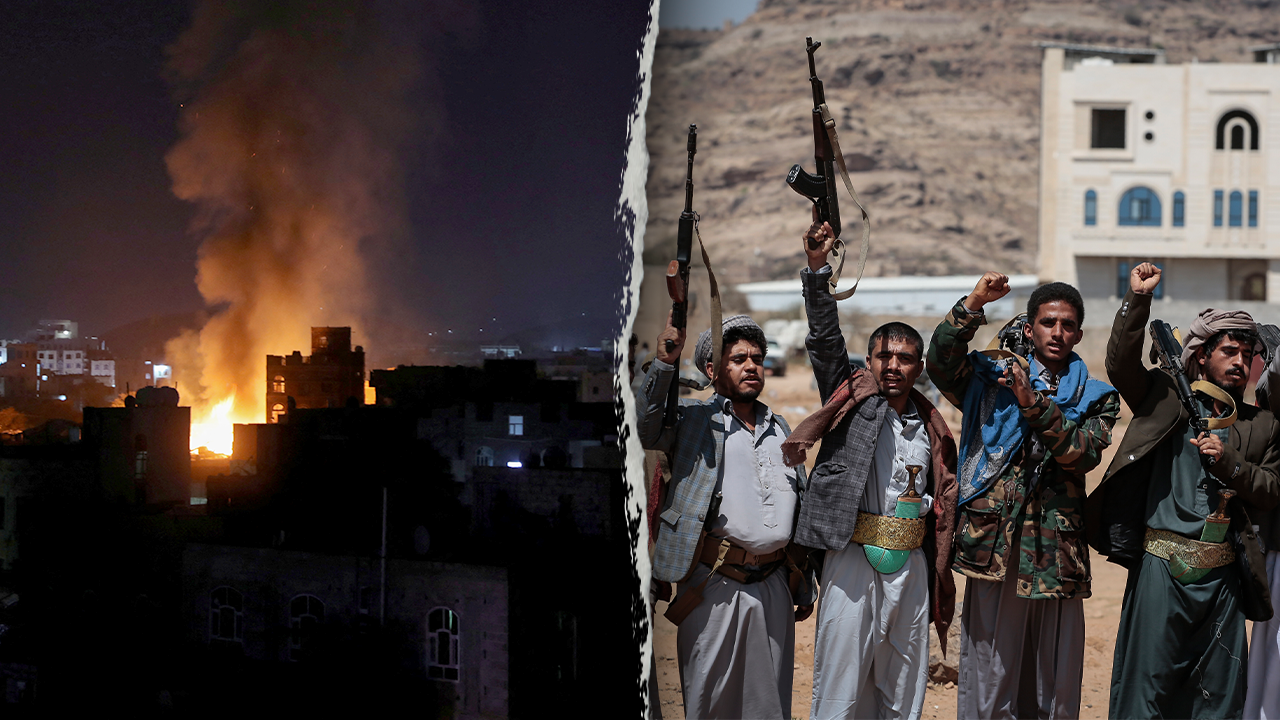
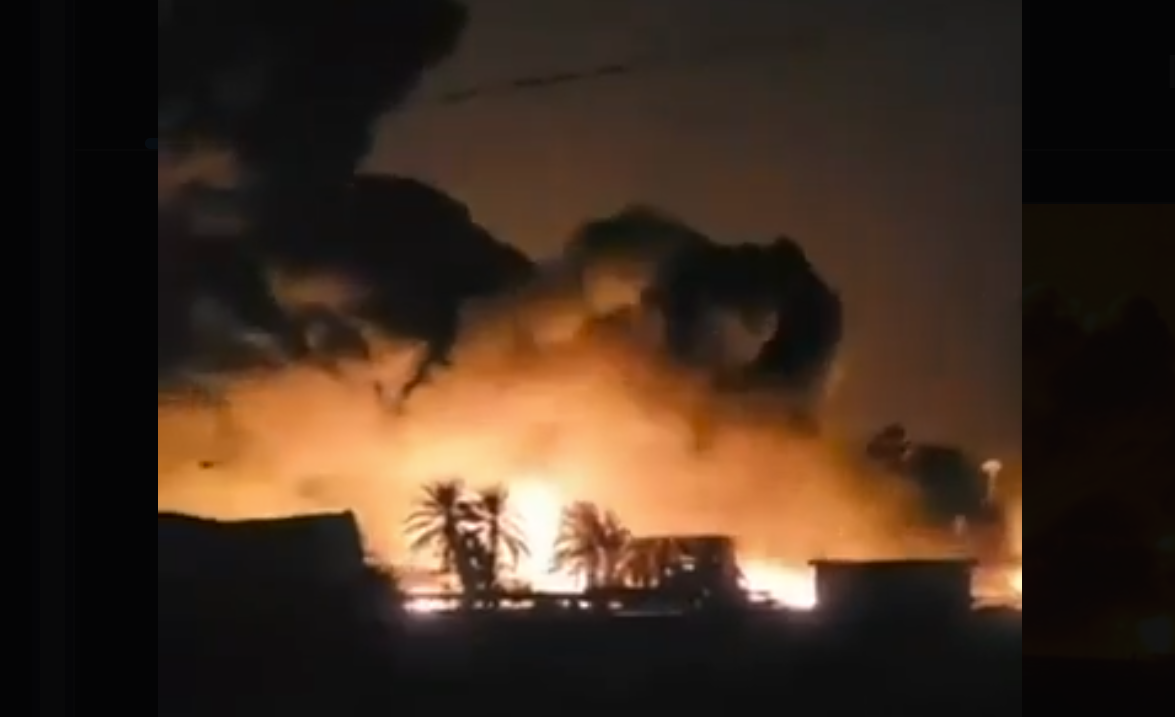
On 24 November, a strike on a tower in Riyadh’s financial district wounded 11 people; the Houthis later claimed responsibility. On 25 November, Saudi air defences reported intercepting four drones at Ras Tanura, where satellite imagery showed a large smoke plume. The Houthis said they hit the refinery, but Saudi accounts and Houthi claims differ on whether the site sustained damage. The Saudi-led coalition struck Hodeidah and reported targeting sites in Saada and Amran. Houthi threats against Saudi Red Sea ports followed. In Yemen, fighting around Taiz and Houthi forces reported about 60 kilometres from Aden indicate pressure on government-held areas, but claims of a full Taiz encirclement conflict with Yemeni government accounts of repelled infiltration attempts. UN reporting describes extensive displacement and aid needs. The supplied claims do not substantiate the stated cutoff of food aid to 800,000 people or a Qatari warning of imminent war.
Change from previous assessment
Since the 24 November brief, the Houthis have claimed responsibility for the Riyadh strike that was previously attributed to them by Saudi authorities without an immediate Houthi claim. New reporting adds the Ras Tanura drone interceptions and satellite-observed smoke, coalition strikes on Hodeidah, Saada and Amran, renewed Houthi threats against Saudi Red Sea ports, and clashes around Taiz. The likelihood of continued reciprocal attacks remains likely, with medium confidence. The port-risk assessment has risen because coalition strikes occurred after the Houthi warning, but no supplied claim establishes a port closure. Humanitarian evidence is stronger than in the prior brief, including UN displacement and Taiz vaccination reporting; the stated cutoff affecting 800,000 people remains unsubstantiated.
Key judgments
- Houthi attacks on Saudi targets are likely to continue over the next 14 days. The 24 November strike on a tower in Riyadh’s financial district wounded 11 people, and the Houthis claimed responsibility the following day. Saudi Arabia reported intercepting four drones at Ras Tanura on 25 November; Houthi claims of a direct refinery strike remain disputed. (Confidence: medium · ASSESSED)
- I&W: Saudi authorities report another Houthi missile or drone attempt against a named Saudi city, airport or energy site. (0-14 days)
- I&W: Saudi and Houthi reporting records no further attempted strikes, and Riyadh flight operations resume without attack-related cancellations. (0-14 days)
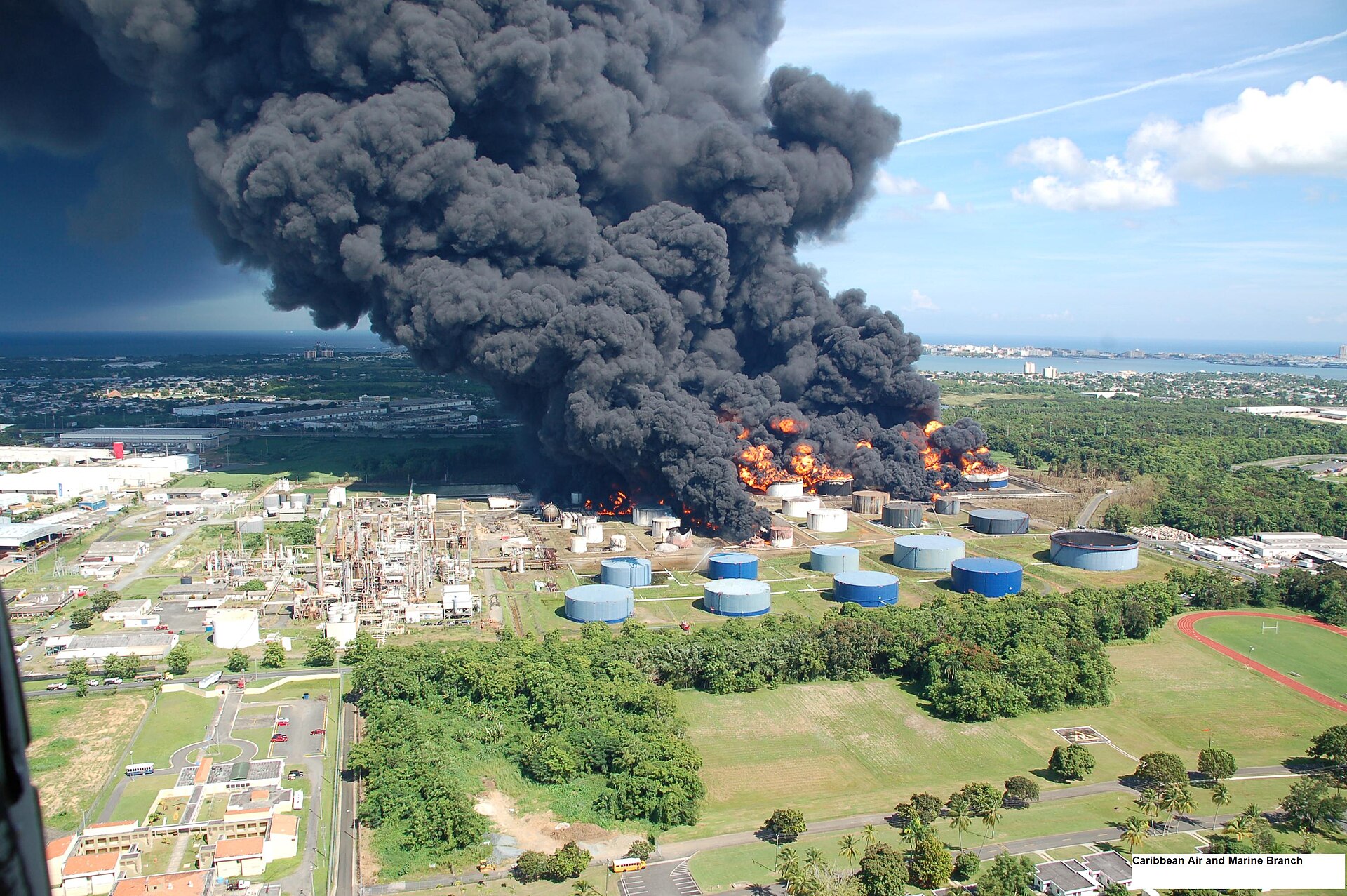
- A substantial smoke plume was observed around Ras Tanura on 25 November, but whether a Houthi drone struck refinery infrastructure or caused operational damage remains unresolved. Satellite imagery supports the presence of smoke and heat near the complex; Saudi statements describe interceptions and no damage, while the Houthis claim a direct hit and fires. (Confidence: medium · ASSESSED)
- I&W: Saudi Aramco reports a shutdown, repair work or damage at the Ras Tanura refinery. (0-14 days)
- I&W: Saudi Aramco reports normal refinery operations and subsequent imagery shows no persistent heat source within the refinery complex. (0-14 days)
- Saudi-led coalition strikes in Yemen are likely to continue over the next 14 days. The coalition reported strikes on Hodeidah and targets in Saada and Amran on 24-25 November; the Houthis have renewed threats against Jeddah and other Saudi Red Sea ports if Hodeidah is attacked. Reporting differs on the exact strike date, but confirms coalition activity at the port during this period. (Confidence: medium · ASSESSED)
- I&W: The coalition reports additional strikes on Hodeidah, Saada or Amran. (0-14 days)
- I&W: The coalition announces a pause in operations and no further strikes on those locations are reported. (0-30 days)
- Houthi forces are likely to sustain pressure around Taiz and toward Aden, but a complete encirclement of Taiz is not established. Reports describe heavy clashes on Taiz’s eastern front and Houthi forces about 60 kilometres from Aden. Yemeni government accounts say forces repelled infiltration attempts and halted the advance, which conflicts with reports of a siege and leaves battlefield control uncertain. (Confidence: low · ASSESSED)
- I&W: Independent reporting confirms Houthi control of the approaches to Taiz and sustained closure of access into the city. (0-30 days)
- I&W: Independent reporting confirms government forces have reopened access to Taiz and repelled further Houthi attempts to enter the city. (0-30 days)
- Yemen’s humanitarian burden is likely to worsen if the fighting continues. UN reporting puts displacement since August above 364,000 and says half the population needs aid; a separate report says about 350,000 children in Taiz governorate missed a measles and rubella vaccination campaign because of insecurity. The supplied reporting does not substantiate a food-aid cutoff affecting 800,000 people. (Confidence: medium · ASSESSED)
- I&W: UN agencies report new access restrictions for aid delivery or further vaccination delays in Taiz governorate. (1-3 months)
- I&W: Health agencies report that the Taiz vaccination campaign has resumed and displaced arrivals in Aden have slowed. (1-3 months)
Outlook & scenarios
Continued reciprocal strikes, ports remain open (65%)
Over the next 30 days, Houthi attacks on Saudi targets and Saudi-led coalition strikes in Yemen continue without a sustained closure of Saudi Red Sea ports. Houthi warnings against Jeddah and other ports remain a coercive threat rather than an executed blockade.
A pause in cross-border attacks (20%)
Saudi Arabia and the Houthis limit further attacks after the Riyadh strike, Ras Tanura incident and Hodeidah strikes. Coalition activity and ground fighting in Yemen continue at a lower pace, while threatened Saudi ports remain open.
A Houthi strike expands the port confrontation (15%)
The Houthis execute their threat against Jeddah or another Saudi Red Sea port. Saudi retaliation then prompts further Houthi attacks, raising the risk of port disruption and a wider regional exchange. This is a low-probability, high-impact outcome; the supplied claims establish threats, not a current port closure.
Recommendations
- Track Saudi Aramco and Saudi government statements on Ras Tanura operations separately from Houthi claims and coalition interception reports. Compare any damage assessment with subsequent satellite imagery before describing a direct hit or refinery outage.
- Maintain separate reporting lines for a Houthi threat against Jeddah or other Saudi Red Sea ports and any verified attack, vessel diversion or port closure. Do not describe a blockade as underway without evidence of actual disruption.
- Seek corroboration of Taiz’s status from reporting independent of the Yemeni government and Houthi-aligned outlets, especially on access to the city and control of its approaches.
- Use UN and health-agency updates to monitor displacement, aid access and the missed Taiz vaccination campaign. Do not repeat the claim of an 800,000-person food-aid cutoff unless it is supported by specific reporting.
Confidence & uncertainty
Overall confidence is high for the broad pattern of renewed Houthi-Saudi exchanges, coalition strikes in Yemen and worsening humanitarian pressure. The Riyadh casualties, reported drone interceptions and displacement figures appear across established media and official channels, while satellite imagery provides separate evidence of smoke near Ras Tanura. Confidence is lower on whether the refinery was directly hit, whether Taiz is fully encircled and the exact scale of any aid disruption.
Alternative analysis (red cell)
The available reporting supports continued fighting around Taiz and Houthi proximity to Aden, but it does not establish that Houthi forces retain the operational momentum to sustain pressure. Government claims of halted advances and repelled infiltration may indicate containment rather than an ongoing advance, while the siege characterization remains unverified. The most defensible alternative is that the front remains contested and could stabilize despite continued intermittent clashes.
Intelligence gaps
- [EEI 1.1 · PARTIAL] Verified launches, flight paths, impact locations, and warhead types for Houthi missiles and drones directed at Riyadh, airports, military sites, and energy infrastructure. Recommended collection: imagery/OSINT
- [EEI 1.2 · PARTIAL] Operational damage, production interruptions, fires, casualties, and repair timelines at Saudi Aramco facilities, airports, power plants, and desalination sites. Recommended collection: commercial imagery/company reporting
- [EEI 1.3 · PARTIAL] Changes in Saudi air-defense deployments, airspace closures, civil-defense alerts, and restrictions on aviation or critical-facility access. Recommended collection: official statements/aviation notices
- [EEI 1.4 · PARTIAL] Increase in the geographic range, salvo size, launch frequency, or payload sophistication of Houthi missile and drone attacks. Recommended collection: military reporting/imagery
- [EEI 2.1 · UNCOVERED] Houthi control of roads, checkpoints, mountain passes, and supply routes connecting Taiz to government-held areas. Recommended collection: ground reporting/imagery
- [EEI 2.2 · UNCOVERED] Changes in front lines, artillery positions, troop concentrations, and attacks against Taiz's western, northern, and southern access routes. Recommended collection: OSINT/satellite imagery
- [EEI 2.3 · PARTIAL] Verified reductions in food, fuel, medicine, and humanitarian access reaching Taiz, including the number of people unable to receive aid. Recommended collection: UN/NGO reporting
- [EEI 2.4 · PARTIAL] Civilian displacement, casualty trends, hospital capacity, and reported shortages in Taiz and surrounding districts. Recommended collection: humanitarian reporting/local media
- [EEI 3.1 · PARTIAL] Houthi announcements, preparations, or attacks involving anti-ship missiles, naval drones, mines, or attempts to obstruct ports and shipping lanes. Recommended collection: maritime/OSINT
- [EEI 3.2 · PARTIAL] Naval vessel posture changes, convoy activity, port-security measures, and new exclusion or warning zones in the Red Sea, Gulf of Aden, and approaches to the Gulf. Recommended collection: maritime/AIS
- [EEI 3.3 · UNCOVERED] Commercial vessel diversions, port disruptions, shipping delays, freight-rate changes, and war-risk insurance premium movement. Recommended collection: shipping/insurance reporting
- [EEI 4.1 · UNCOVERED] Public or private ceasefire proposals, mediation efforts, negotiation contacts, and stated conditions from the Houthis, Saudi Arabia, Yemen's government, Qatar, and the UN. Recommended collection: diplomatic reporting
- [EEI 4.2 · PARTIAL] Changes in Saudi-led coalition membership, rules of engagement, sortie rates, targeting policy, or announced military objectives. Recommended collection: official statements/military reporting
- [EEI 4.3 · PARTIAL] New arms transfers, foreign military personnel, intelligence support, or air-defense deployments to parties in the conflict. Recommended collection: customs/imagery/official reporting
- [EEI 4.4 · PARTIAL] Concrete changes in humanitarian funding, aid access agreements, border-crossing policy, or UN warnings concerning food insecurity and civilian protection. Recommended collection: UN/NGO reporting
Red cell review: PARTIAL DISSENT
TLP:CLEAR