TLP:CLEAR · Disclosure is not limited.
Yemen-Saudi Arabia: Riyadh attack, Taiz access and maritime risk, 9 November 2026
Time window: Last 1 day · Audience: General analyst · Type: Situation report · DTG: 2026-11-09 10:46Z · Overall confidence: HIGH
BLUF
The Houthis almost certainly conducted an attack in Riyadh that damaged an Aramco Tower office building on 8 November, while Saudi air defences reported intercepting missiles; the claimed targeting of King Khalid International Airport remains unconfirmed. OCHA says more than 800,000 people in Taiz are cut off from assistance. Current reporting supports continued Saudi-Houthi escalation and a risk to shipping, but does not establish an effective blanket naval blockade or an imminent wider Gulf war.
Executive summary
On 8 November, the Houthis claimed an operation against Riyadh's business district. Saudi Arabia confirmed damage to an Aramco building, and BBC Verify footage and a Reuters reporter's observations support that damage occurred; the extent and whether the building was hit directly or damaged by debris remain disputed. The Saudi-led coalition reported intercepting missiles, but its accounts differ on the total and types, and Saudi officials did not confirm the Houthi claim that King Khalid International Airport was targeted. In Yemen, OCHA reports more than 800,000 people in Taiz cut off from assistance. Reports of 44 deaths and 40 injuries in al-Shariyah, near Sana'a, remain unverified, as does Saudi-led coalition responsibility. Sana'a's declared maritime blockade and reported targeting of Saudi-associated vessels sustain shipping risk, but do not establish a blanket blockade.
Change from previous assessment
Since the 8 November brief, reporting has added BBC Verify footage showing more extensive Aramco Tower damage than the Saudi Energy Ministry described, and a Houthi statement confirming that Riyadh's business district was targeted. The reported missile picture now includes conflicting totals and weapon types, while the airport target remains unconfirmed. Reports from al-Shariyah give a higher toll of 44 killed and 40 wounded, but the figures and Saudi-led coalition attribution remain unverified. OCHA's report of more than 800,000 people cut off from assistance keeps the Taiz humanitarian judgment active. The new reports do not resolve the disputed scale of Syrian deployments or establish an effective maritime blockade.
Key judgments
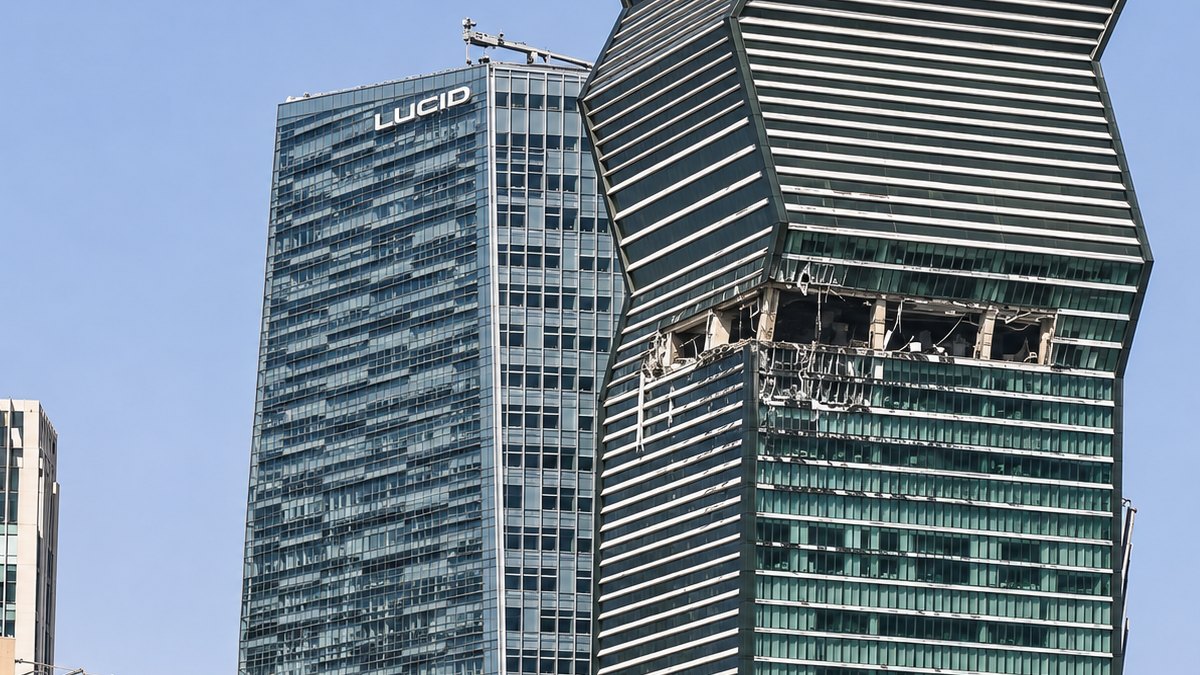
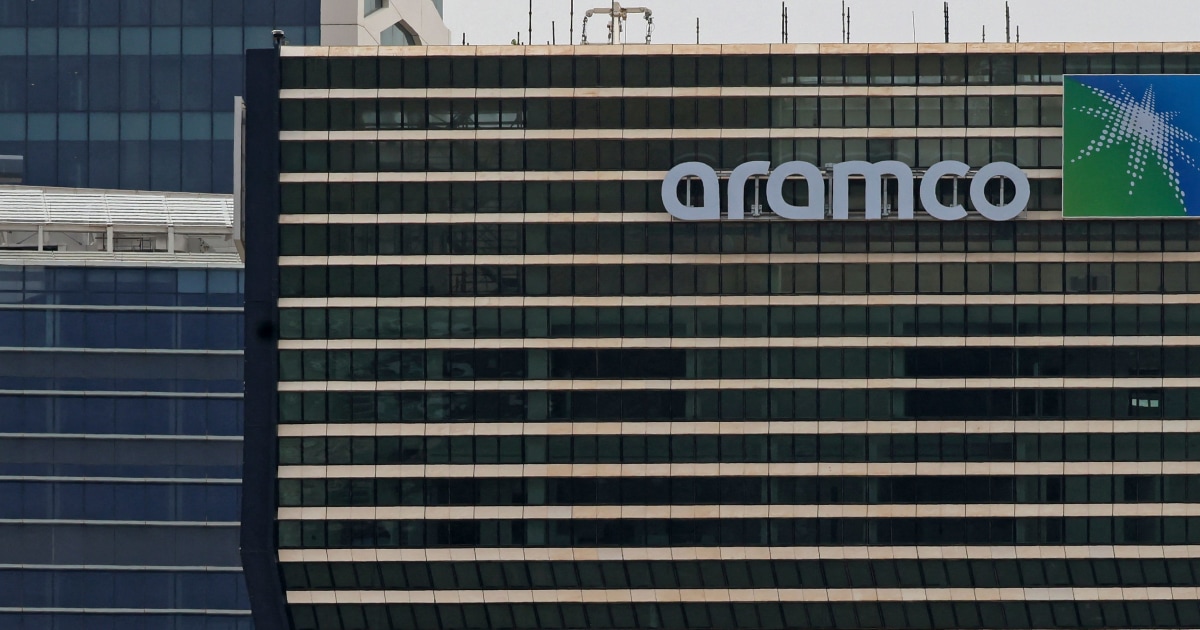
- The Houthis almost certainly conducted the Riyadh attack reported on 8 November, and the attack damaged an Aramco Tower office building; the exact date is disputed in some accounts, and whether a munition hit the tower directly or intercepted-projectile debris caused the damage remains unresolved. BBC Verify authenticated footage showing damage, a Reuters reporter observed broken glass on several floors, Saudi Arabia's Energy Ministry confirmed damage, and the Houthis acknowledged targeting Riyadh's business district. This convergence supports high confidence in the attack and damage, but not in the strike mechanism or full extent. (Confidence: high · REPORTED)
- I&W: Independent geolocated imagery or a Saudi technical report identifies projectile damage at the Aramco Tower from the 8 November attack. (0-14 days)
- I&W: A technical assessment establishes that the observed building damage predates the reported attack. (0-14 days)
- The Saudi-led coalition likely intercepted at least two missiles directed at Riyadh on 8 November, but the total number and types of projectiles intercepted across Saudi Arabia remain unclear. Coalition accounts give different totals and weapon descriptions. Yahya Saree's claim that King Khalid International Airport was among the targets remains unconfirmed by Saudi officials and is not independently established in the reporting. (Confidence: medium · REPORTED)
- I&W: The Saudi-led coalition releases a time-stamped account or debris evidence identifying at least two missiles aimed at Riyadh. (0-14 days)
- I&W: Saudi airport authorities or independently verified impact evidence confirm damage at King Khalid International Airport, resolving the currently unconfirmed target claim. (0-14 days)
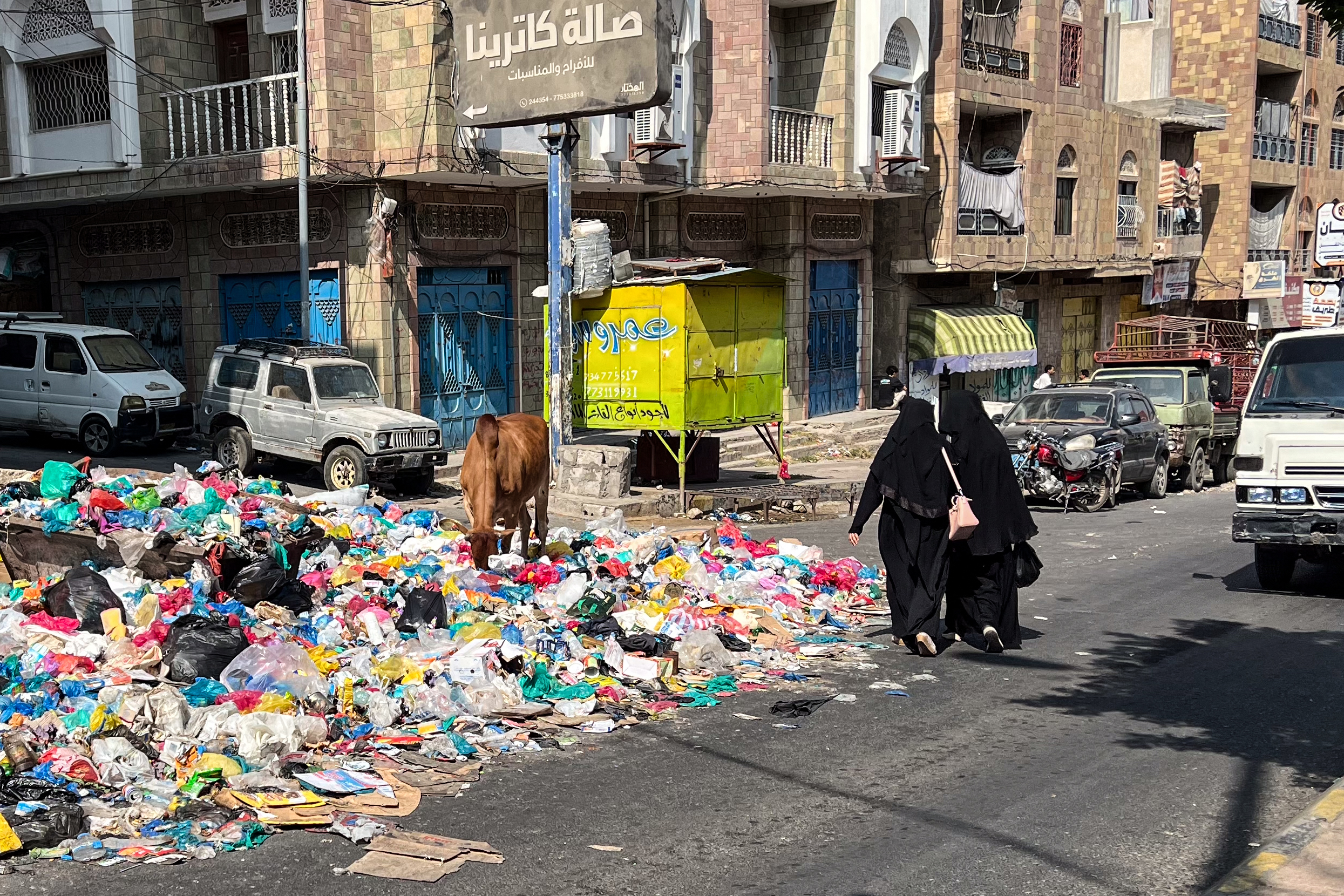
- Houthi pressure is very likely constraining access to Taiz, and humanitarian access is likely to remain restricted in the near term. OCHA reports that more than 800,000 people are cut off from assistance, including 200,000 women and children who depend exclusively on international aid; aid convoys have also been diverted onto narrow mountain roads. Reporting describes Houthi encirclement, but the assessment of continued access constraints rests more firmly on OCHA's aid-access reporting than on claims about the precise front line. (Confidence: medium · ASSESSED)
- I&W: OCHA or aid partners report that more than 800,000 people remain cut off and that convoys still use diverted mountain routes. (0-14 days)
- I&W: Aid agencies document reopened supply routes into Taiz and restored deliveries to communities previously cut off. (1-3 months)
- The al-Shariyah death toll and Saudi-led coalition responsibility remain unverified. The latest cited figure from the Houthi-controlled Yemeni Health Ministry is 44 killed and 40 wounded, while earlier accounts give lower tolls and differ on the strike date. Al Masirah footage shows rescue activity, but the casualty figures and attribution remain dependent on Houthi-controlled sources; Saudi Arabia has said it is investigating and has not confirmed involvement. Confidence is low because the reporting is not independently corroborated on the central claims. (Confidence: low · REPORTED)
- I&W: UN or independent medical reporting verifies the al-Shariyah location and casualty count while leaving the attacker unidentified. (0-14 days)
- I&W: Authenticated strike records or independent forensic findings identify the attacker, resolving the current uncertainty over Saudi-led coalition responsibility. (0-14 days)
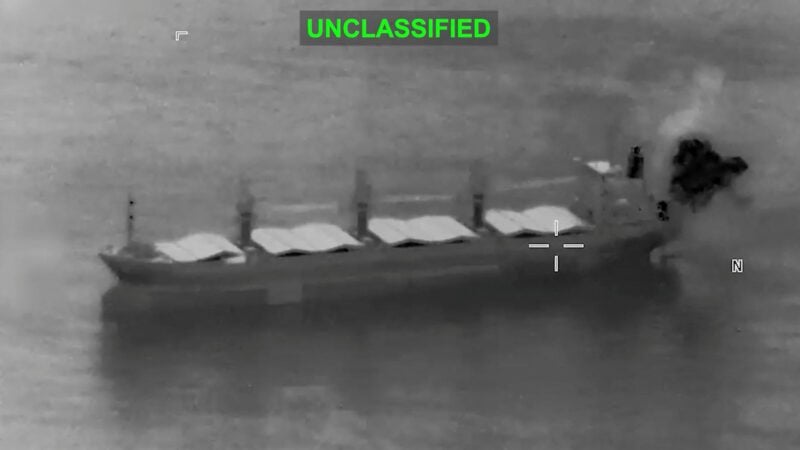
- Shipping disruption linked to Saudi-Houthi hostilities is likely to remain a risk, but the available reporting does not establish a functioning blanket blockade or Houthi control of the Bab al-Mandeb Strait. Sana'a announced a maritime blockade against Saudi Arabia, and Yemeni Armed Forces reported targeting Saudi-associated vessels in the Red Sea. Reporting that the Houthis captured areas near the strait is narrower than a claim of control over the strait itself. (Confidence: medium · ASSESSED)
- I&W: A named Saudi-associated vessel is independently confirmed attacked or diverted in the Red Sea, or a maritime authority reports a new restriction linked to the declared blockade. (0-30 days)
- I&W: Sana'a rescinds the blockade announcement and maritime monitoring reports no new attacks or route restrictions involving Saudi-associated vessels. (0-30 days)
- The Saudi-Houthi exchange is likely to intensify over the next two weeks, but current reporting does not support treating a wider Gulf war as imminent. The Houthis have announced intensified operations, Saudi Arabia has requested defensive and offensive assistance from the US, European and some Middle Eastern countries, and Saudi airstrikes on Houthi-controlled areas are reported. These statements and actions support a near-term escalation assessment, not a conclusion that additional states have entered combat. (Confidence: medium · ASSESSED)
- I&W: The Houthis report another missile or drone operation against Saudi territory and Saudi authorities report new airstrikes in Yemen. (0-14 days)
- I&W: Both sides announce and observe a halt to cross-border attacks, with no new Saudi airstrikes reported in Yemen. (0-14 days)
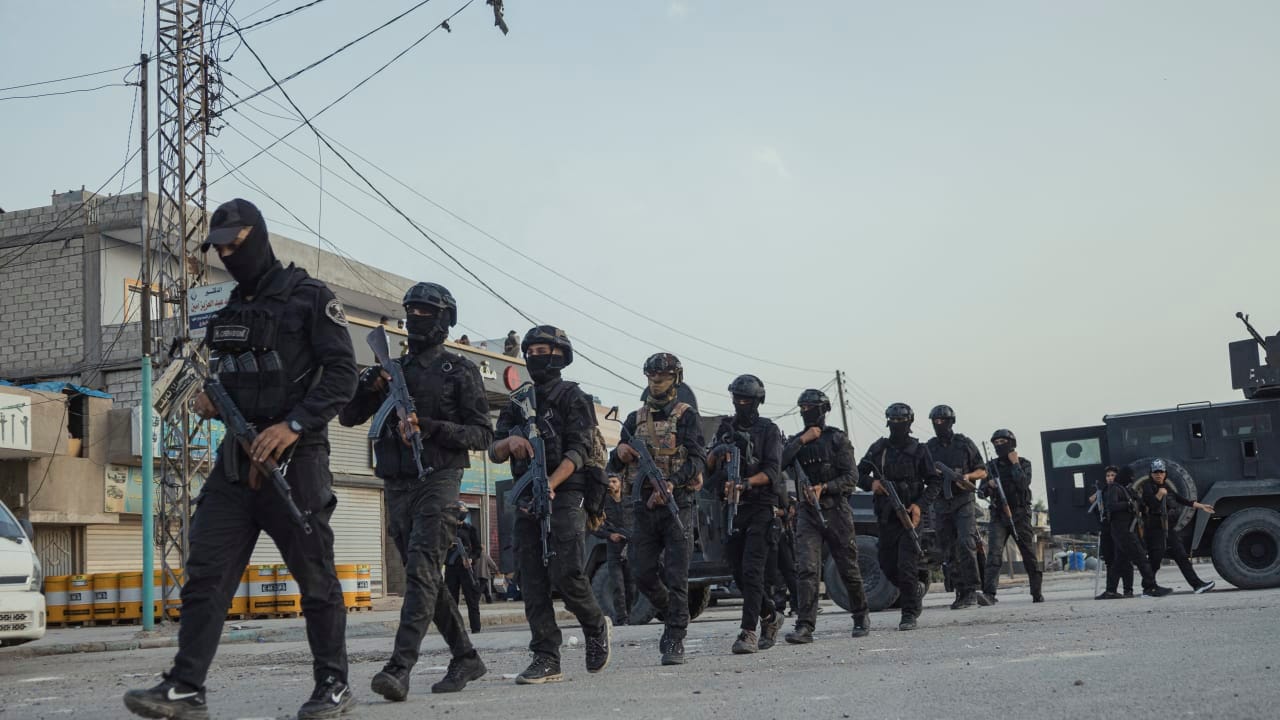
- A Syrian combat deployment to Yemen is unlikely on the available reporting, while a Syrian advisory and training presence in Saudi Arabia is reported. Estimates range from about 600 fighters to 3,000 or as many as 10,000 troops, but Syrian diplomatic sources reject reports of fighters heading to Yemen and an analyst describes personnel in Saudi Arabia as advisers and logisticians, not combat troops. Confidence is low because the force estimates rely on conflicting official sources and the claimed presence of Syrian troops on the Yemeni side of the border is disputed. (Confidence: low · ASSESSED)
- I&W: Independent reporting verifies Syrian combat units arriving in Yemen or taking operational roles against Houthi forces. (0-30 days)
- I&W: Syrian and Saudi statements specify that Syrian personnel are restricted to training and advisory roles, with no combat deployment to Yemen. (0-30 days)
Outlook & scenarios
Continued reciprocal strikes (58%)
The most likely course is further Houthi missile and drone attacks on Saudi targets alongside Saudi-led coalition strikes in Yemen. Saudi air defences intercept some projectiles, while claims of airport or additional energy-site hits remain unconfirmed. Taiz aid access stays restricted.
Maritime disruption expands (22%)
It is unlikely but plausible that the declared blockade and reported targeting of Saudi-associated vessels lead to more confirmed shipping incidents in the Red Sea. Such incidents would increase route disruption without, by themselves, establishing Houthi control of the Bab al-Mandeb Strait.
Containment and limited humanitarian access (17%)
It is unlikely that the parties quickly reach a broad settlement, but they could limit cross-border attacks and permit specific aid routes into Taiz. This scenario would require verifiable convoy access and fewer reported strikes, rather than statements alone.
High-impact regional spillover (3%)
A very unlikely but high-impact path is a Houthi attack causing mass casualties at King Khalid International Airport or disabling a Saudi energy facility, followed by Saudi use of requested offensive assistance and direct combat involvement by an outside state. Current reporting does not establish this sequence, but the scale of the reported requests and the continued attacks make it a relevant warning scenario.
Recommendations
- Keep separate reporting categories for confirmed Aramco Tower damage, Saudi-reported missile interceptions, and unconfirmed Houthi claims about King Khalid International Airport and Aramco oil storage sites. Do not treat the airport claim as an established strike without independent evidence.
- Track Saudi coalition statements and independently verified imagery of Riyadh damage. Reconcile the two-missile and five-missile interception accounts before using a single total or weapon type.
- Prioritise daily OCHA and aid-partner updates on Taiz access, including convoy routes, deliveries and the number of people still cut off. Flag any verified reopening of supply routes.
- Separate the al-Shariyah casualty count from responsibility for the strike. Seek UN or independent medical verification, and retain the date and attribution discrepancies until resolved.
- Monitor official maritime notices and reports naming affected vessels in the Red Sea and near Bab al-Mandeb. Distinguish the declared blockade and reported vessel targeting from verified route closure or control of the strait.
- Track the status and purpose of Saudi assistance requests and Syrian deployments. Do not assess Syrian combat participation from troop estimates alone; require verified arrivals and evidence of operational roles.
Confidence & uncertainty
Overall confidence is high for the core Riyadh attack and building damage, supported by BBC Verify footage, a Reuters reporter's observations, Saudi official acknowledgement and a Houthi statement about targeting Riyadh's business district. OCHA reporting also provides a strong basis for the scale of the Taiz access problem. Confidence is lower on exact interception totals, the airport claim, al-Shariyah casualties and attribution, blockade effectiveness, and Syrian force numbers because those details rely on conflicting or party-sourced reporting.
Intelligence gaps
- [EEI 1.1 · PARTIAL] Verified launches, flight paths, impact locations, and warhead types for Houthi missiles and drones directed at Riyadh, airports, military sites, and energy infrastructure. Recommended collection: imagery/OSINT
- [EEI 1.2 · PARTIAL] Operational damage, production interruptions, fires, casualties, and repair timelines at Saudi Aramco facilities, airports, power plants, and desalination sites. Recommended collection: commercial imagery/company reporting
- [EEI 1.3 · PARTIAL] Changes in Saudi air-defense deployments, airspace closures, civil-defense alerts, and restrictions on aviation or critical-facility access. Recommended collection: official statements/aviation notices
- [EEI 1.4 · PARTIAL] Increase in the geographic range, salvo size, launch frequency, or payload sophistication of Houthi missile and drone attacks. Recommended collection: military reporting/imagery
- [EEI 2.1 · PARTIAL] Houthi control of roads, checkpoints, mountain passes, and supply routes connecting Taiz to government-held areas. Recommended collection: ground reporting/imagery
- [EEI 2.2 · PARTIAL] Changes in front lines, artillery positions, troop concentrations, and attacks against Taiz's western, northern, and southern access routes. Recommended collection: OSINT/satellite imagery
- [EEI 2.3 · UNCOVERED] Verified reductions in food, fuel, medicine, and humanitarian access reaching Taiz, including the number of people unable to receive aid. Recommended collection: UN/NGO reporting
- [EEI 2.4 · PARTIAL] Civilian displacement, casualty trends, hospital capacity, and reported shortages in Taiz and surrounding districts. Recommended collection: humanitarian reporting/local media
- [EEI 3.2 · UNCOVERED] Naval vessel posture changes, convoy activity, port-security measures, and new exclusion or warning zones in the Red Sea, Gulf of Aden, and approaches to the Gulf. Recommended collection: maritime/AIS
- [EEI 3.3 · UNCOVERED] Commercial vessel diversions, port disruptions, shipping delays, freight-rate changes, and war-risk insurance premium movement. Recommended collection: shipping/insurance reporting
- [EEI 3.4 · PARTIAL] Evidence of attacks, support, or retaliatory actions involving Iran, Qatar, the United Arab Emirates, Bahrain, Kuwait, or other Gulf states. Recommended collection: official statements/OSINT
- [EEI 4.1 · UNCOVERED] Public or private ceasefire proposals, mediation efforts, negotiation contacts, and stated conditions from the Houthis, Saudi Arabia, Yemen's government, Qatar, and the UN. Recommended collection: diplomatic reporting
- [EEI 4.2 · PARTIAL] Changes in Saudi-led coalition membership, rules of engagement, sortie rates, targeting policy, or announced military objectives. Recommended collection: official statements/military reporting
- [EEI 4.4 · PARTIAL] Concrete changes in humanitarian funding, aid access agreements, border-crossing policy, or UN warnings concerning food insecurity and civilian protection. Recommended collection: UN/NGO reporting
Red cell review: CONCUR WITH COMMENT
TLP:CLEAR