TLP:CLEAR · Disclosure is not limited.
Yemen-Saudi Arabia: Riyadh missile interceptions and Taiz aid constraints, 8 November 2026
Time window: Last 1 day · Audience: General analyst · Type: Situation report · DTG: 2026-11-08 10:33Z · Overall confidence: HIGH
BLUF
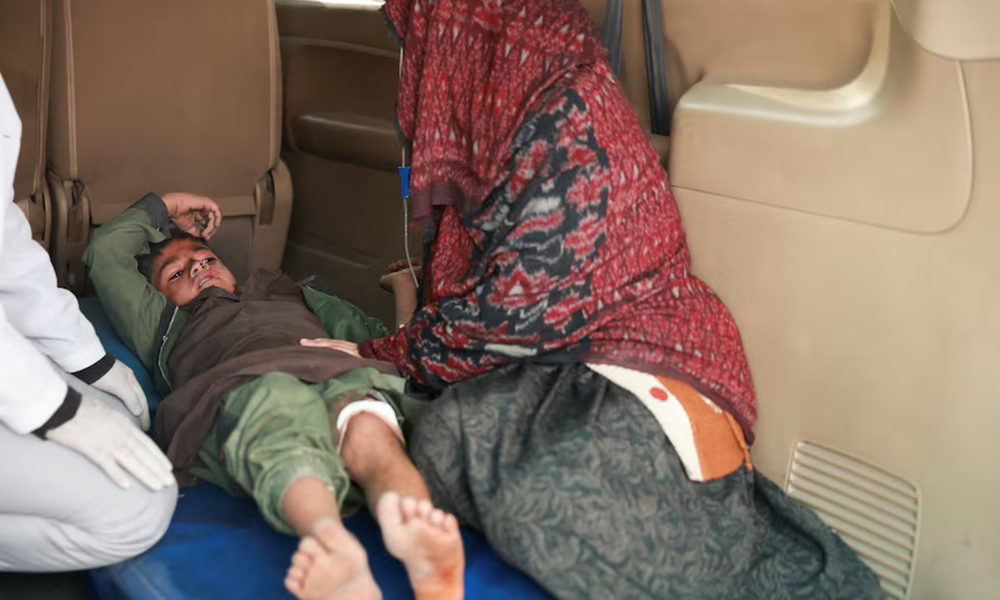
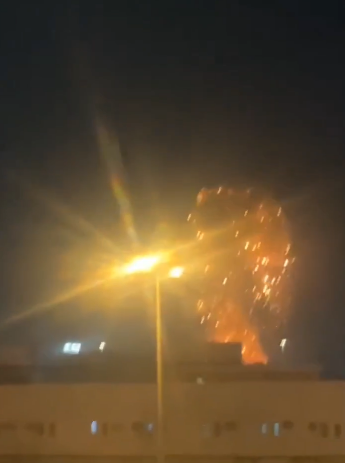
The Saudi-led coalition reported intercepting two ballistic missiles aimed at Riyadh on 8 November, and Saudi Arabia's Energy Ministry confirmed shrapnel damage to an Aramco administrative building, with no casualties reported. The Houthis' claims of hits on King Khalid International Airport and energy sites remain unverified; in Yemen, OCHA reports that Houthi restrictions are cutting supplies to about 800,000 people in Taiz.
Executive summary
Reported: the coalition said it intercepted two ballistic missiles aimed at Riyadh, while Saudi officials confirmed limited shrapnel damage to an Aramco building and no injuries or deaths. Houthi military spokesman Yahya Saree claimed a wider campaign against King Khalid International Airport, Aramco facilities in Khurais and Pumping Station No. 8 near Dawadmi, but the reported claims do not independently establish hits at those sites. OCHA reports more than 323,000 people displaced since the escalation began and supply restrictions affecting about 800,000 people in Taiz. Assessment: cross-border attacks are likely to continue, while the precise number of interceptions and responsibility for the recent Taiz market attack remain unresolved.
Change from previous assessment
Since the 7 November brief, the assessment now includes coalition reports of two ballistic missiles intercepted toward Riyadh on 8 November and Saudi confirmation of shrapnel damage to an Aramco administrative building. This changes the prior assessment that damage at Riyadh energy sites had not been established, while still leaving the claimed hits on King Khalid International Airport and other named facilities unverified. Reporting on Taiz's supply constraints and a possible large Syrian deployment adds humanitarian and force-posture issues; the latter remains low confidence because it conflicts with accounts of a small advisory presence and a Syrian denial of plans to send troops to Yemen.
Key judgments
- The Saudi-led coalition likely intercepted at least two ballistic missiles aimed at Riyadh on 8 November. Coalition reports also describe interceptions in other parts of Saudi Arabia, but accounts differ on the total number and types of missiles intercepted; independent evidence establishing launch attribution is not provided. (Confidence: medium · REPORTED)
- I&W: A coalition statement or independently verifiable launch or interception evidence confirms at least two missiles aimed at Riyadh. (0-14 days)
- I&W: A coalition correction or credible independent reporting contradicts the two-missile account or places the launches elsewhere. (0-14 days)
- Damage to an Aramco administrative building in Riyadh almost certainly occurred, but reporting does not establish that the building itself was struck directly. Saudi Arabia's Energy Ministry attributed the limited damage to falling shrapnel after an intercepted projectile and reported no injuries or fatalities; witnesses also reported seeing damage. (Confidence: high · REPORTED)
- I&W: Saudi officials or new witness reporting provide repair details, images or a revised account of the damage and its cause. (0-14 days)
- I&W: A Saudi statement or independently verified imagery contradicts the reported building damage or the no-casualty account. (0-14 days)
- The Houthis' reported six-operation claim does not establish hits on King Khalid International Airport, Aramco facilities in Khurais or Pumping Station No. 8 in the Dawadmi area. The claim names those targets, but the reporting says the Houthi account was not independently verified. (Confidence: medium · REPORTED)
- I&W: Saudi authorities, airport operators or independently verified imagery confirm damage or operational disruption at King Khalid International Airport, Khurais or Pumping Station No. 8. (0-14 days)
- I&W: Facility operators report normal operations and no independently verifiable damage at the named sites. (0-14 days)
- Humanitarian access in Taiz is likely to remain constrained over the next month if the reported Houthi supply restrictions persist. OCHA reported that the restrictions cut supplies to about 800,000 people and that Taiz hosts more than two in five of Yemen's internally displaced people; its displacement estimate for the country exceeds 323,000. (Confidence: medium · ASSESSED)
- I&W: OCHA reports continued supply restrictions affecting the approximately 800,000 people in Taiz, or worsening access and displacement figures. (0-30 days)
- I&W: OCHA or aid organisations confirm restored supply access to the affected population in Taiz. (0-30 days)
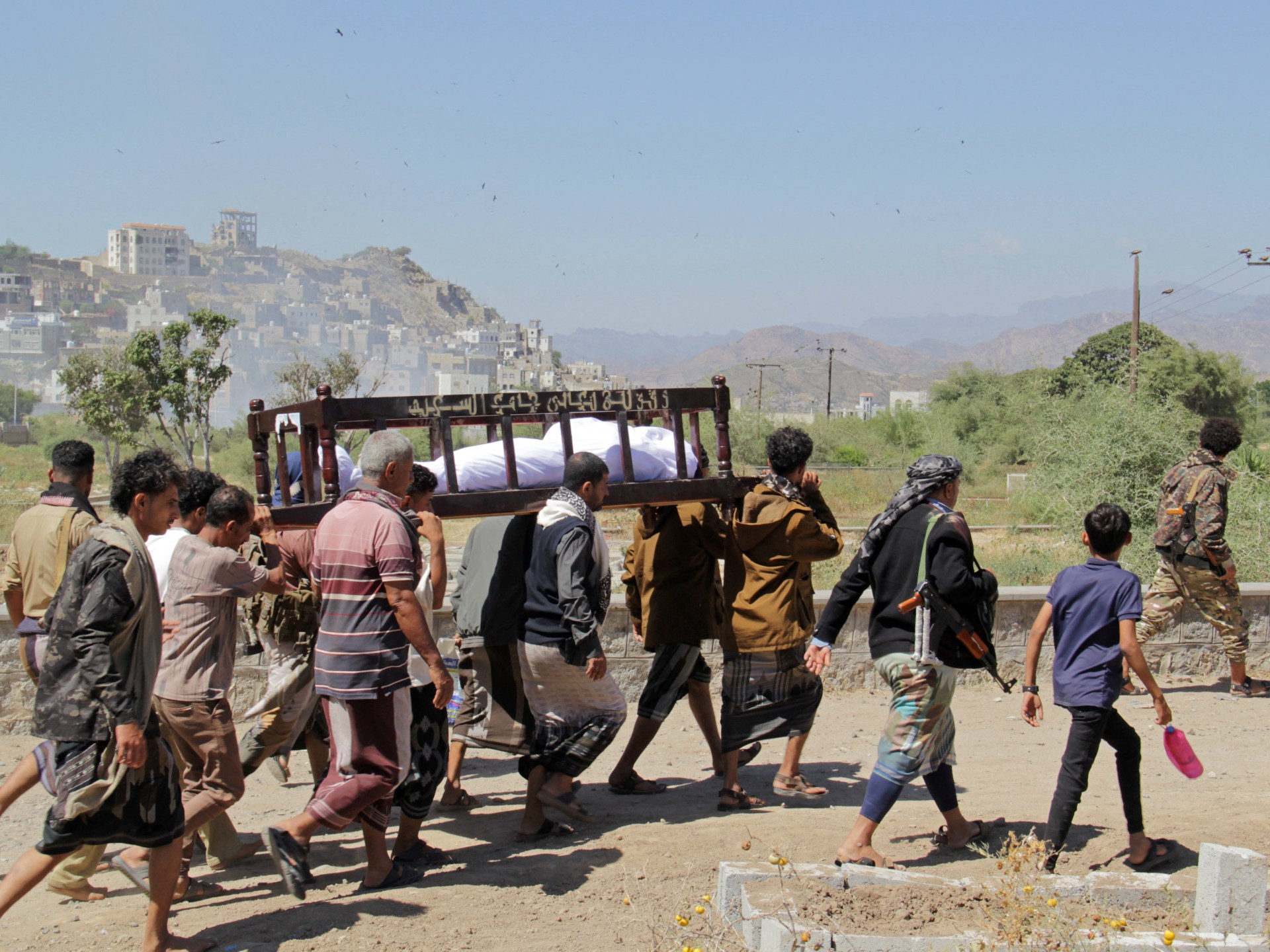
- The 6 November attack on a market in Taiz governorate likely killed about 30 people, but responsibility remains unresolved. Houthi officials blamed Saudi air strikes, while Yemeni government forces accused the Houthis of firing a ballistic missile; the supplied reporting does not independently settle either attribution. (Confidence: medium · ASSESSED)
- I&W: An independent investigation, verified munition evidence or a corroborated casualty record identifies the attack's perpetrator. (0-30 days)
- I&W: Independent reporting revises the reported death toll or establishes that the reported market attack did not occur as described. (0-30 days)
- The report that 33 people were killed and 39 wounded at al-Shariyah in Bani Hushaysh district near Sanaa remains unverified. The casualty figures and attribution to Saudi-led coalition air strikes come from Houthi-run sources; Reuters said it could not independently verify the airstrike account, and Saudi Arabia's Center for International Communication said it was investigating the report. (Confidence: low · REPORTED)
- I&W: Independent hospital, humanitarian or eyewitness reporting corroborates the al-Shariyah casualty figures. (0-14 days)
- I&W: Saudi Arabia's investigation or independent reporting contradicts the reported casualty count or strike attribution. (0-14 days)
- A deployment of thousands of Syrian troops to Yemen is unlikely on the available reporting. The claim by Yemeni officials conflicts with reporting of a small Syrian advisory and training presence in Saudi Arabia and a Syrian diplomatic source's denial of plans to send troops to Yemen. (Confidence: low · ASSESSED)
- I&W: Syrian or Yemeni authorities identify units, personnel numbers or a confirmed arrival in Yemen. (0-30 days)
- I&W: Syrian officials reiterate that no troops are deploying to Yemen and reporting continues to describe only an advisory presence in Saudi Arabia. (0-30 days)
Outlook & scenarios
Reciprocal strikes continue without a confirmed strategic breakthrough (65%)
This is the likely near-term course. The coalition continues air operations in Yemen while the Houthis sustain missile and drone pressure on Saudi targets. Riyadh sees further interception reports, but the reported Houthi claims against King Khalid International Airport and named energy facilities remain unverified. Humanitarian access in Taiz stays constrained.
Strikes widen and civilian harm rises (25%)
This outcome is unlikely but consistent with the escalation pattern. Further coalition strikes in Sanaa, Taiz or other named governorates and additional Houthi attacks on Saudi military or energy targets increase the risk of civilian casualties and infrastructure damage. The conflicting accounts of the Taiz market attack and al-Shariyah casualties deepen mutual blame.
Houthi maritime pressure disrupts Red Sea traffic (10%)
A broad maritime disruption is unlikely, but it is a high-impact wildcard. The Houthis have been reported to have declared a blockade of Saudi Arabia and targeted Saudi ships in the Red Sea. A renewed campaign that restricts commercial transit would widen the conflict beyond the current missile and airstrike pattern; the supplied reporting does not establish a new full closure in this reporting window.
Recommendations
- Separate coalition-reported interceptions and ministry-confirmed Aramco building damage from Houthi claims of successful hits on King Khalid International Airport, Khurais and Dawadmi.
- Track official Saudi statements, airport operating notices and independently verified imagery for evidence of damage or disruption at the specific sites named by Yahya Saree.
- Prioritise OCHA and aid-organisation reporting on supply access to the approximately 800,000 people in Taiz, displacement and delivery constraints.
- Keep the Taiz market and al-Shariyah incidents as separate entries. Do not assign responsibility or present casualty figures as independently verified until corroborating evidence emerges.
- Treat reports of a large Syrian deployment to Yemen as unconfirmed. Seek confirmation of unit identity, personnel numbers and location before incorporating the claim into assessments.
Confidence & uncertainty
Overall confidence is high for the central picture of missile interceptions reported by the Saudi-led coalition, damage to the Aramco building confirmed by Saudi officials and witnesses, and the humanitarian figures attributed to OCHA. Repeated media coverage does not always represent independent corroboration because many reports relay the same official statements. Houthi claims of successful strikes, casualties in Yemen, attribution of the Taiz market attack and the scale of any Syrian deployment remain uncertain.
Alternative analysis (red cell)
The Taiz market incident likely occurred, but the supplied evidence does not establish that approximately 30 people were killed. The casualty figure comes from contested accounts in claims, and efe8b598-08d2-40de-844e-504df89a5131, while claim 03905f32-dcd8-4cdb-a1b4-2d0e49dc3bd0 establishes only a deadly attack with disputed responsibility. A substantial-casualty event is plausible, but both the count and weapon attribution should remain unresolved.
Intelligence gaps
- [EEI 1.2 · PARTIAL] Operational damage, production interruptions, fires, casualties, and repair timelines at Saudi Aramco facilities, airports, power plants, and desalination sites. Recommended collection: commercial imagery/company reporting
- [EEI 1.3 · PARTIAL] Changes in Saudi air-defense deployments, airspace closures, civil-defense alerts, and restrictions on aviation or critical-facility access. Recommended collection: official statements/aviation notices
- [EEI 1.4 · PARTIAL] Increase in the geographic range, salvo size, launch frequency, or payload sophistication of Houthi missile and drone attacks. Recommended collection: military reporting/imagery
- [EEI 2.1 · UNCOVERED] Houthi control of roads, checkpoints, mountain passes, and supply routes connecting Taiz to government-held areas. Recommended collection: ground reporting/imagery
- [EEI 2.2 · PARTIAL] Changes in front lines, artillery positions, troop concentrations, and attacks against Taiz's western, northern, and southern access routes. Recommended collection: OSINT/satellite imagery
- [EEI 2.3 · UNCOVERED] Verified reductions in food, fuel, medicine, and humanitarian access reaching Taiz, including the number of people unable to receive aid. Recommended collection: UN/NGO reporting
- [EEI 2.4 · PARTIAL] Civilian displacement, casualty trends, hospital capacity, and reported shortages in Taiz and surrounding districts. Recommended collection: humanitarian reporting/local media
- [EEI 3.2 · UNCOVERED] Naval vessel posture changes, convoy activity, port-security measures, and new exclusion or warning zones in the Red Sea, Gulf of Aden, and approaches to the Gulf. Recommended collection: maritime/AIS
- [EEI 3.3 · UNCOVERED] Commercial vessel diversions, port disruptions, shipping delays, freight-rate changes, and war-risk insurance premium movement. Recommended collection: shipping/insurance reporting
- [EEI 4.1 · PARTIAL] Public or private ceasefire proposals, mediation efforts, negotiation contacts, and stated conditions from the Houthis, Saudi Arabia, Yemen's government, Qatar, and the UN. Recommended collection: diplomatic reporting
- [EEI 4.2 · PARTIAL] Changes in Saudi-led coalition membership, rules of engagement, sortie rates, targeting policy, or announced military objectives. Recommended collection: official statements/military reporting
- [EEI 4.4 · PARTIAL] Concrete changes in humanitarian funding, aid access agreements, border-crossing policy, or UN warnings concerning food insecurity and civilian protection. Recommended collection: UN/NGO reporting
Red cell review: PARTIAL DISSENT
TLP:CLEAR