TLP:CLEAR · Disclosure is not limited.
Yemen-Saudi exchanges widen as Egypt authorises defensive support
Time window: Last 1 day · Audience: General analyst · Type: Situation report · DTG: 2026-10-26 20:43Z · Overall confidence: HIGH
BLUF
Houthi missile and drone operations against Saudi targets and Saudi-led air operations in Yemen are continuing. Egypt has authorised support to defend Saudi Arabia, but the form and scope of any deployment remain unclear. The supplied reporting does not establish a new encirclement of Taiz or a general commercial closure of Bab al-Mandab.
Executive summary
Reporting on 26 October says Houthi spokesman Yahya Saree claimed seven operations inside Saudi Arabia, while the Saudi-led coalition reported intercepting missiles and drones. Claims about the number of missiles launched and whether missiles targeted Mecca and Medina are disputed; reported attacks on Saudi energy facilities also include unconfirmed Houthi claims. Egypt's parliament authorised President Abdel Fattah el-Sisi to support Saudi Arabia, while el-Sisi has described the role as defensive and excluding attacks inside Yemen. Saudi, Pakistani and Turkish officials met Iranian leaders in Tehran in a reported effort to reduce regional tensions, but accounts differ on the meetings' agenda. The Taiz front is reported active, but the current claims do not establish an encirclement or provide updated UN figures for people cut off from aid. Separately, maritime reporting describes disruption near Bab al-Mandab and a severe threat assessment for the Strait of Hormuz; neither establishes a general commercial closure of Bab al-Mandab.
Change from previous assessment
Since the 25 October brief, reporting adds Egypt's parliamentary authorisation of defensive support for Saudi Arabia and the 26 October meetings in Tehran involving Saudi, Pakistani and Turkish officials. New Saudi-linked reporting says missiles were aimed at the Mecca and Medina regions, which the Houthis deny; the target attribution is therefore unresolved. Reporting now describes Houthi disruption near Bab al-Mandab, but still does not establish a general commercial closure. The current claims do not update the prior Taiz humanitarian-access warning with a new UN population figure or verified aid-delivery data.
Key judgments
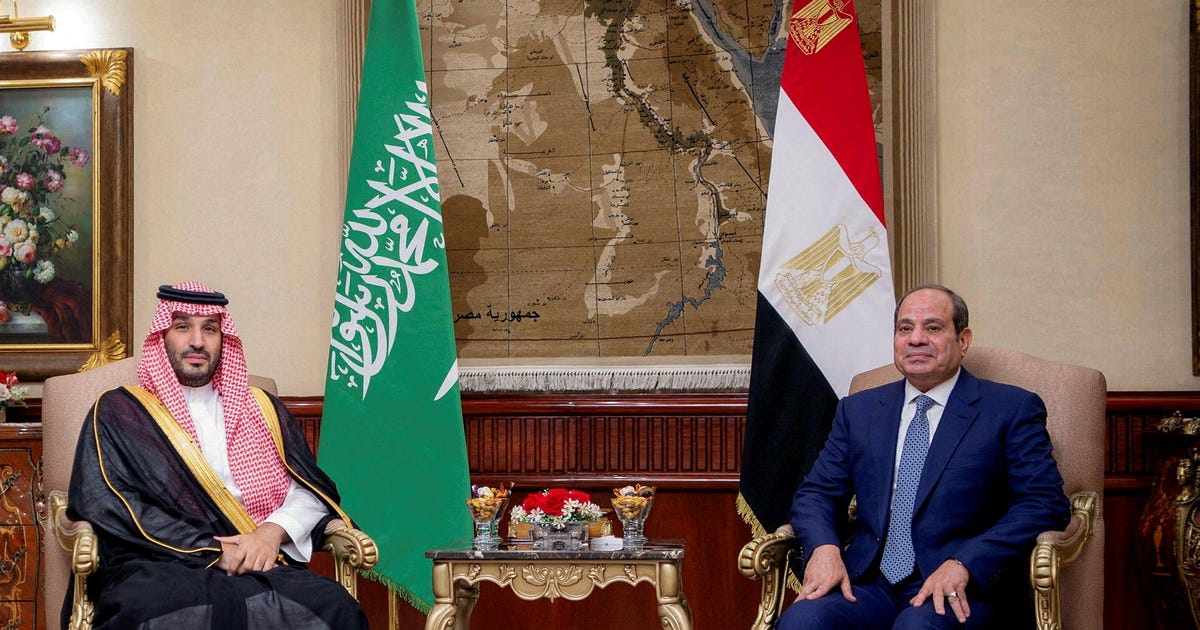
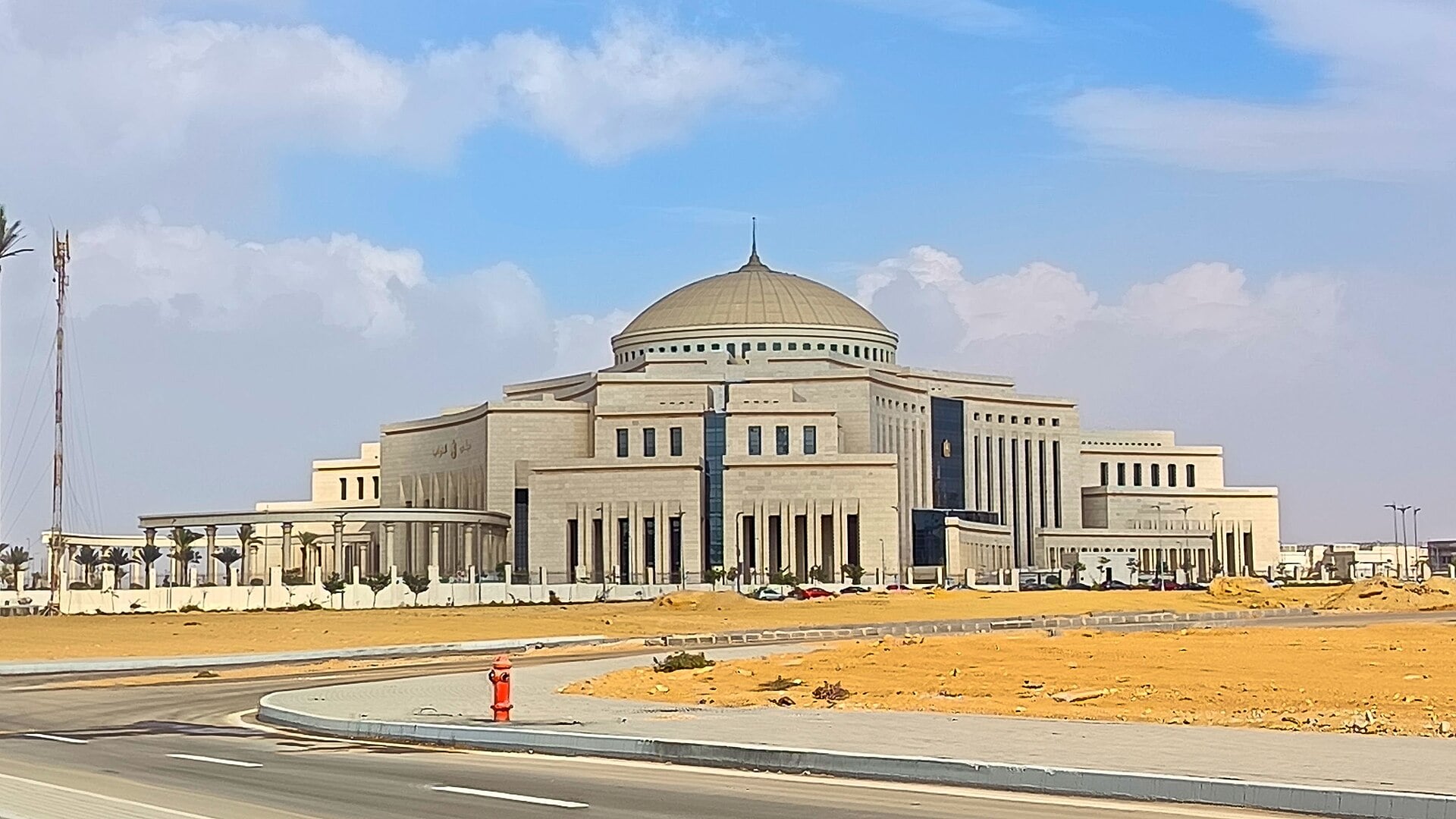
- Egypt's parliament has authorised President Abdel Fattah el-Sisi to provide military support to Saudi Arabia if Riyadh requests it. El-Sisi has said the mission is limited to defending Saudi territory and does not include attacks inside Yemen, but the form of support remains undisclosed and reporting differs on whether the mandate specifies troop deployment. (Confidence: high · REPORTED)
- I&W: Confirmation: Cairo or Riyadh announces a specific support request, force package or deployment. Break: the Egyptian government formally states that the authorisation will not be activated. (0-30 days)
- I&W: Confirmation: Egypt publishes the mandate text specifying the mission and permitted forces. Break: an official text explicitly excludes troop deployment and limits support to non-deployment assistance. (0-30 days)
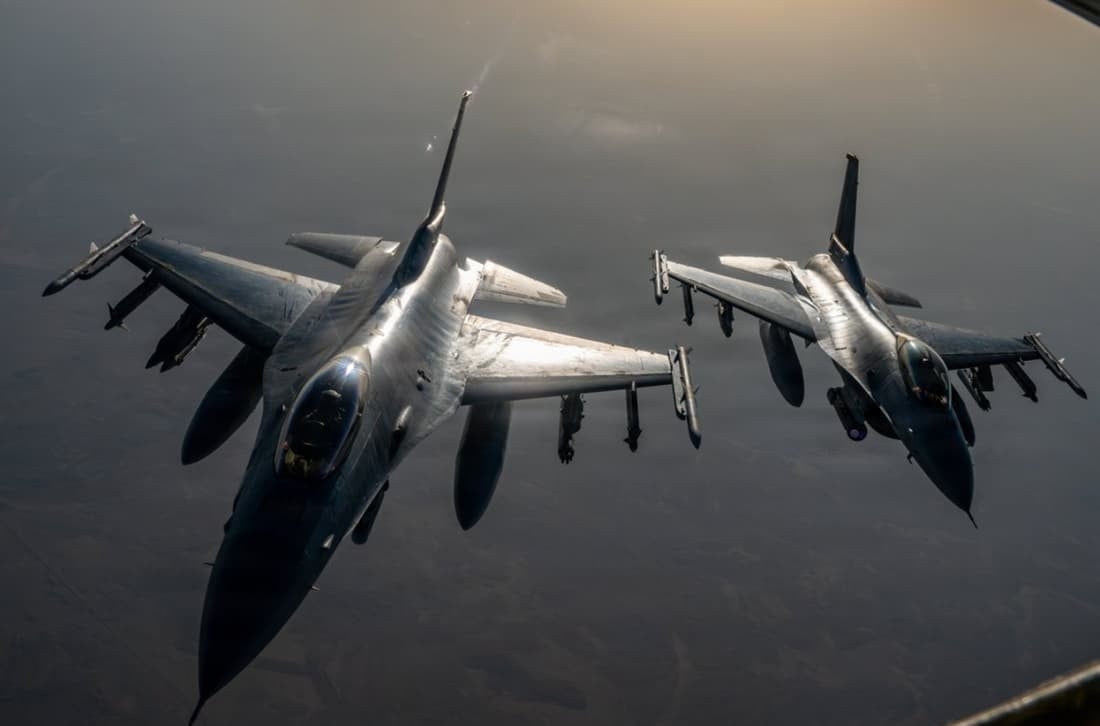
- Houthi missile and drone operations against Saudi targets are likely to continue over the next 14 days. Yahya Saree claimed seven operations, and the Saudi-led coalition reported interceptions in the Riyadh area and southern Saudi Arabia. The Houthis claimed dozens of missiles, while the coalition reported 12 missiles and two drones intercepted on 25 October; the launch total and reported impacts remain unverified. Saudi claims that missiles were aimed at Mecca and Medina are disputed by the Houthi denial. (Confidence: medium · ASSESSED)
- I&W: Confirmation: Yahya Saree announces another operation against a named Saudi site, or the coalition reports a new interception near Riyadh or southern Saudi Arabia. (0-14 days)
- I&W: Break: Saudi and Houthi authorities announce a halt to cross-border launches and no new launches or interceptions are reported for seven consecutive days. (0-14 days)
- The Taiz front is active, but the supplied reporting does not establish that the Houthis have encircled Taiz or confirm a current figure for people cut off from aid. Marwan Damaj, an adviser to Yemen's Presidential Leadership Council, said Houthi attempts to make notable advances had been thwarted in recent days; this account is not independently corroborated in the supplied claims. (Confidence: low · ASSESSED)
- I&W: Confirmation of continued isolation: Yemeni authorities or an aid organisation reports that the main Taiz-Aden road remains cut and identifies affected communities or delivery numbers. (0-14 days)
- I&W: Break: a named access route into Taiz reopens and an aid organisation reports resumed deliveries to the city. (0-14 days)
- Saudi, Pakistani and Turkish officials are likely to maintain an active de-escalation channel with Tehran, but the 26 October meetings do not establish that Houthi-Saudi attacks have paused or that an agreement has been reached. Reporting identifies both the Yemen attacks and efforts to avert renewed Iran-US or Iran-Israel fighting as possible agenda items; the precise focus is unresolved. (Confidence: medium · ASSESSED)
- I&W: Confirmation: Saudi Arabia, Pakistan, Turkiye or Iran announces a follow-up meeting or a joint statement naming steps to reduce Houthi-Saudi attacks. (0-14 days)
- I&W: Break: one of the participating governments publicly ends the talks or states that the channel has produced no further meetings. (0-30 days)
- A US strike on Iran within the next 96 hours is unlikely on the supplied reporting: US officials describe forces as ready to act within 96 hours of an order from President Donald Trump, not as having received that order. A separate headline describes an attack as being prepared within 96 hours, so the distinction between conditional readiness and a scheduled strike remains important. (Confidence: medium · ASSESSED)
- I&W: Confirmation: the White House announces an order for military action against Iran or US forces begin reported strikes on Iranian targets. (0-4 days)
- I&W: Break: the 96-hour period passes without an announced order or reported US strikes on Iran. (0-4 days)
- If US or Israeli forces strike Iran, Iranian and Houthi retaliation against US personnel or assets in the region is likely. US intelligence reporting describes retaliation as likely after a strike, while also assessing that Iran and the Houthis are unlikely to launch pre-emptive attacks at this point. (Confidence: medium · ASSESSED)
- I&W: Confirmation: a US or Israeli strike on Iran is reported, followed by a Houthi threat naming US personnel or facilities, or a reported attack on a US site. (0-14 days)
- I&W: Break: US and Israeli officials announce a restraint arrangement with Iran and no Houthi or Iranian attack on US personnel or assets is reported during the period. (0-30 days)
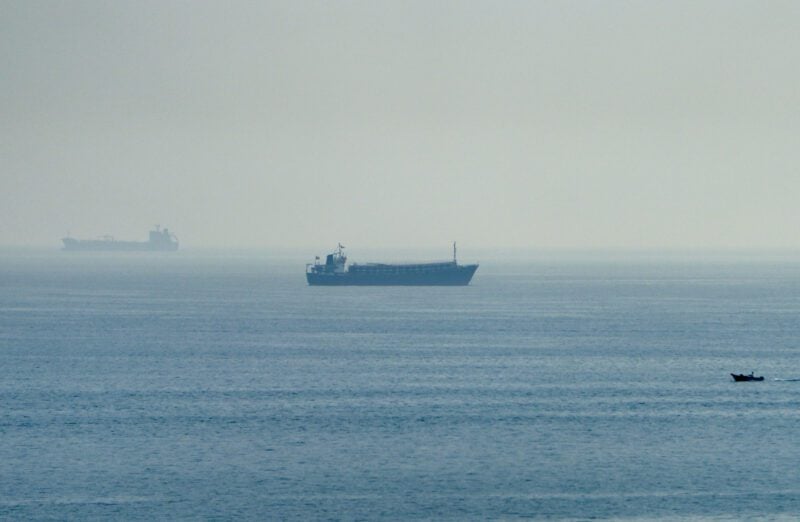
- A general commercial closure of Bab al-Mandab is unlikely over the next 30 days. Reporting says Houthi attacks near the strait have disrupted shipping and reduced Suez Canal revenue, but the supplied claims do not report a general halt to commercial passage. (Confidence: low · ASSESSED)
- I&W: Confirmation of rising closure risk: a Houthi authority announces a blockade of Bab al-Mandab or a maritime reporting body records commercial transits through the strait halted. (0-30 days)
- I&W: Break: maritime reporting records continued commercial transits through Bab al-Mandab without a general suspension. (0-30 days)
- The Strait of Hormuz presents a separate and elevated maritime risk: JMIC maintained a SEVERE threat assessment on 25 October and reported about 492 vessels waiting outside the strait. The reported tanker strike and vessel fire do not establish Houthi responsibility or a Bab al-Mandab closure. (Confidence: medium · REPORTED)
- I&W: Confirmation: JMIC reports another deliberate attack in the Strait of Hormuz or maintains its SEVERE rating in a new advisory. (0-14 days)
- I&W: Break: JMIC lowers the Strait of Hormuz rating and reports a sustained fall in the number of vessels waiting outside the strait. (0-30 days)
Outlook & scenarios
Continued reciprocal attacks with diplomacy active (60%)
Over the next 14 days, Houthi missile and drone operations and Saudi-led coalition air operations in Yemen continue, while the Tehran channel remains open. Egyptian support remains authorised but is not publicly defined beyond the stated defensive purpose.
Egypt activates defensive support for Saudi Arabia (20%)
Riyadh requests assistance and Cairo provides defensive support on Saudi territory. The publicly stated Egyptian position excludes attacks inside Yemen, but the form of support and whether it includes troops remain unresolved.
De-escalation reduces cross-border attacks (15%)
Follow-up talks involving Saudi Arabia, Pakistan, Turkiye and Iran produce restraint measures. Houthi launches and coalition strikes decline, although the current reporting does not show that either side has agreed to pause operations.
US-Iran strike triggers wider retaliation (5%)
A US or Israeli strike on Iran triggers Iranian or Houthi retaliation against US personnel or assets in the region. This is a low-probability, high-impact scenario; the supplied reporting describes conditional US readiness, not an order to strike.
Recommendations
- Track Houthi announcements and Saudi-led coalition interception statements separately. Record claimed launches, interceptions, confirmed impacts and the date and location of each incident; do not treat missile totals or claimed energy-site hits as independently verified.
- Obtain the Egyptian mandate text and monitor for a Saudi request, an Egyptian deployment announcement or clarification of the authorised mission. Do not infer that Egypt has deployed forces from parliamentary approval alone.
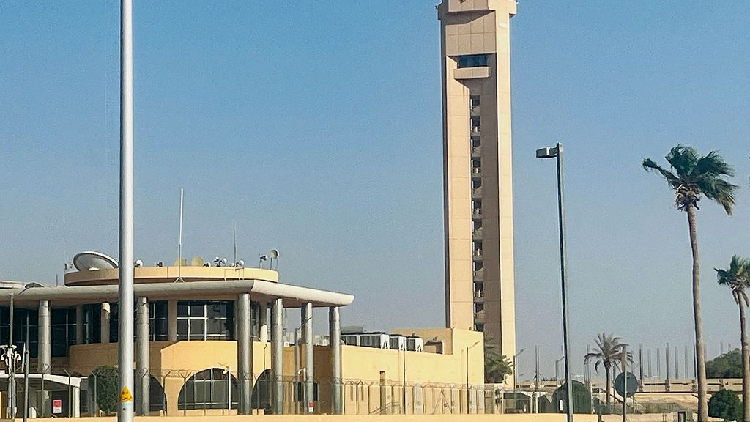
- Verify King Khalid International Airport's operating status through Saudi aviation notices and airline service updates. Current reporting differs on whether flights resumed at the airport itself or through alternative airports.
- Request an updated Taiz access assessment from UN or aid reporting, including the status of the Taiz-Aden road, delivery volumes and the number of people unable to receive assistance. Keep the previous 800,000-person warning separate from current reporting until updated.
- Maintain separate maritime monitoring for Bab al-Mandab and the Strait of Hormuz. Attribute incidents only when reporting supports it, and do not use Hormuz vessel congestion as evidence that Bab al-Mandab is closed.
- Treat US strike readiness as conditional unless an order or operation is reported. Monitor for a confirmed strike on Iran and for subsequent, specifically attributed Houthi or Iranian threats or attacks on US personnel and assets.
Confidence & uncertainty
Overall confidence is high for the core reported developments: multiple established media reports support the Egyptian parliamentary authorisation, and reporting identifies the 26 October Tehran meetings and the latest Saudi interception claims. Confidence is lower on the precise Houthi launch and impact totals, the intended target of missiles reported near Mecca and Medina, the scope of Egypt's eventual support, and current aid access in Taiz. The maritime assessment draws chiefly on JMIC reporting, while the cause of the reported vessel fire remains unconfirmed.
Alternative analysis (red cell)
The reporting supports a volatile but still uncertain regional picture rather than several firm near-term forecasts. Houthi activity and the risk of Iranian or Houthi retaliation may persist, but launch counts, attribution, and operational tempo remain disputed; similarly, US forces appear capable of acting quickly without clear evidence that an order has been issued. Maritime disruption is established at both Bab al-Mandab and Hormuz, but the supplied claims do not reliably determine whether either situation will escalate into a general closure or whether diplomatic contacts will produce sustained de-escalation.
Intelligence gaps
- [EEI 1.1 · PARTIAL] Verified launches, flight paths, impact locations, and warhead types for Houthi missiles and drones directed at Riyadh, airports, military sites, and energy infrastructure. Recommended collection: imagery/OSINT
- [EEI 1.2 · PARTIAL] Operational damage, production interruptions, fires, casualties, and repair timelines at Saudi Aramco facilities, airports, power plants, and desalination sites. Recommended collection: commercial imagery/company reporting
- [EEI 2.1 · PARTIAL] Houthi control of roads, checkpoints, mountain passes, and supply routes connecting Taiz to government-held areas. Recommended collection: ground reporting/imagery
- [EEI 2.2 · PARTIAL] Changes in front lines, artillery positions, troop concentrations, and attacks against Taiz's western, northern, and southern access routes. Recommended collection: OSINT/satellite imagery
- [EEI 2.3 · UNCOVERED] Verified reductions in food, fuel, medicine, and humanitarian access reaching Taiz, including the number of people unable to receive aid. Recommended collection: UN/NGO reporting
- [EEI 2.4 · PARTIAL] Civilian displacement, casualty trends, hospital capacity, and reported shortages in Taiz and surrounding districts. Recommended collection: humanitarian reporting/local media
- [EEI 3.1 · PARTIAL] Houthi announcements, preparations, or attacks involving anti-ship missiles, naval drones, mines, or attempts to obstruct ports and shipping lanes. Recommended collection: maritime/OSINT
- [EEI 3.2 · PARTIAL] Naval vessel posture changes, convoy activity, port-security measures, and new exclusion or warning zones in the Red Sea, Gulf of Aden, and approaches to the Gulf. Recommended collection: maritime/AIS
- [EEI 3.3 · PARTIAL] Commercial vessel diversions, port disruptions, shipping delays, freight-rate changes, and war-risk insurance premium movement. Recommended collection: shipping/insurance reporting
- [EEI 4.1 · PARTIAL] Public or private ceasefire proposals, mediation efforts, negotiation contacts, and stated conditions from the Houthis, Saudi Arabia, Yemen's government, Qatar, and the UN. Recommended collection: diplomatic reporting
- [EEI 4.2 · PARTIAL] Changes in Saudi-led coalition membership, rules of engagement, sortie rates, targeting policy, or announced military objectives. Recommended collection: official statements/military reporting
- [EEI 4.4 · UNCOVERED] Concrete changes in humanitarian funding, aid access agreements, border-crossing policy, or UN warnings concerning food insecurity and civilian protection. Recommended collection: UN/NGO reporting
Red cell review: PARTIAL DISSENT
TLP:CLEAR