TLP:CLEAR · Disclosure is not limited.
Myanmar: Post-coup death toll claim remains unverified
Time window: Last 1 day · Audience: General analyst · Type: Situation report · DTG: 2026-11-21 15:05Z · Overall confidence: HIGH
BLUF
The supplied reporting does not substantiate a UN Human Rights Office death toll above 100,000 since the 2021 coup or a recent intensification of Tatmadaw attacks on civilians. The well-corroborated ICJ genocide ruling and supporting accounts concern earlier violence against the Rohingya; they do not verify the post-coup threshold.
Executive summary
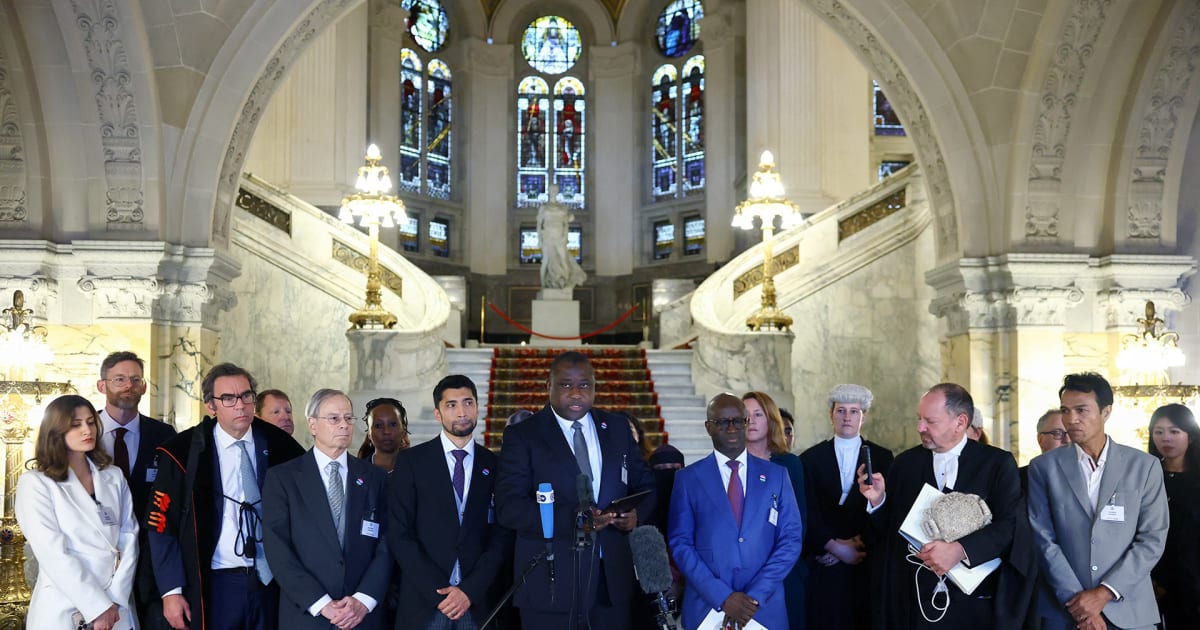
The ICJ ruled on 19 November 2026 that Myanmar committed genocide against the Rohingya. The reporting also describes killings and displacement during the 2017 violence, but gives no UN Human Rights Office cumulative post-coup death tally. ACLED reports more than 100 targeted arrests of Rohingya since 2021 and 20 deaths in two arrest events. Its reporting on other civilian harms is dated and identifies different actors: it attributes reported deaths of hundreds of Rohingya in August 2024 to ULA/AA strikes, and describes ARSA attacks on ULA/AA in 2025. The UK expelled Myanmar’s Defence Attaché, summoned its Chargé d’Affaires and called for a UN Security Council session following the ICJ ruling.
Change from previous assessment
This is an initial update to the prior brief’s central finding: new reporting adds survivor accounts and further detail on the historical Rohingya violence, but still does not substantiate a UN-documented post-coup death toll above 100,000 or intensified recent Tatmadaw attacks. The ICJ ruling remains strongly corroborated, and the UK response is now documented in the supplied material. Prior forecasts assigned probabilities of 0.6 and 0.65 to delivery of the ICJ judgement; both resolved yes, a modest underestimation. Three earlier Rakhine airstrike forecasts assigned probabilities of 0.4, 0.5 and 0.4 and all resolved yes. This supports keeping the near-term airstrike outlook around an even chance, without treating those outcomes as evidence for the claimed death toll or a general escalation trend.
Key judgments
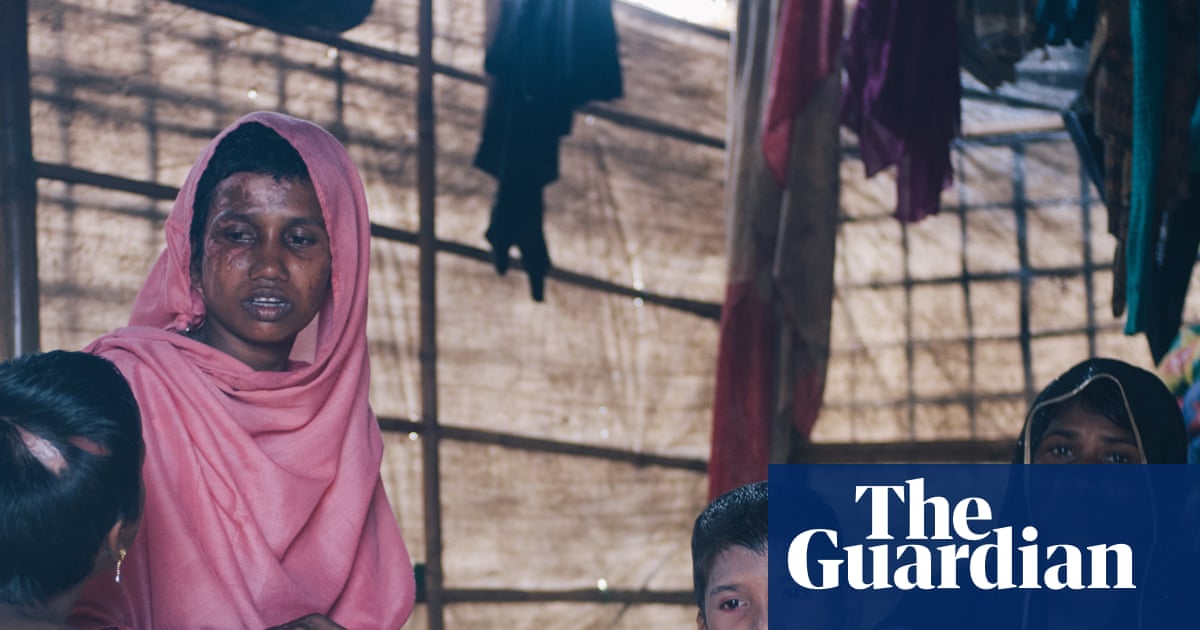
- The ICJ’s 19 November 2026 finding that Myanmar committed genocide against the Rohingya is strongly corroborated. The supplied record associates its account of at least 10,000 deaths with clearance operations and separately reports killings and displacement during the 2017 violence. This is historical evidence, not a cumulative death tally since the 2021 coup. (Confidence: high · REPORTED)
- I&W: The published ICJ judgement and vote record confirm the reported genocide finding and its scope. (0-14 days)
- I&W: An authoritative correction or the full judgement materially contradicts the reported finding or the account of the earlier clearance operations. (0-14 days)
- The supplied material does not substantiate a UN Human Rights Office total above 100,000 deaths since the coup or a recent pattern of intensified Tatmadaw attacks on civilians. It reports more than 100 targeted Rohingya arrests since 2021 and 20 deaths in two arrest events, but gives no cumulative UN death tally; this gap in the record does not establish that the actual total is lower. (Confidence: low · ASSESSED)
- I&W: The UN Human Rights Office publishes a cumulative death figure above 100,000 for the period since the 2021 coup, with its methodology and categories stated. (1-3 months)
- I&W: The UN Human Rights Office publishes a cumulative figure below the threshold or clarifies that a reported figure covers a different period or category of deaths. (1-3 months)
- The supplied conflict record does not support attributing all reported civilian harm in Rakhine to the Tatmadaw. ACLED reports that hundreds of Rohingya fleeing Maungdaw were reportedly killed in ULA/AA drone and artillery strikes on 5 August 2024, and that ARSA and other Rohingya armed groups intensified attacks on ULA/AA in 2025. These dated, single-source reports do not establish a recent Tatmadaw campaign. (Confidence: low · ASSESSED)
- I&W: Independent field reporting or geolocated evidence confirms or revises the reported 5 August 2024 Naf River deaths and identifies the responsible forces. (1-3 months)
- I&W: Contemporaneous, independently corroborated reporting documents a Tatmadaw attack on a civilian site in Rakhine State. (0-3 months)
- The UK has taken concrete diplomatic steps after the ICJ ruling: it expelled Myanmar’s Defence Attaché, summoned the Chargé d’Affaires and called for a UN Security Council session. The UK also said it would announce further action, but the supplied record does not establish what those measures will be. (Confidence: high · REPORTED)
- I&W: The UK Government publishes the further accountability measures it announced. (0-14 days)
- I&W: The UN Security Council schedules a session on the ICJ ruling, or the UK makes clear that no session has been scheduled. (0-14 days)
Outlook & scenarios
The death-toll evidence gap persists (65%)
Likely, near-term reporting continues to focus on the ICJ ruling and historical Rohingya displacement without producing a UN Human Rights Office tally that verifies more than 100,000 deaths since the coup. The current record does not establish that threshold.
Another Rakhine airstrike is reported (45%)
There is roughly even chance of another reported Myanmar military airstrike in Rakhine State over the next month. Earlier forecasts for three Rakhine airstrike questions, each assigned probabilities between 0.4 and 0.5, all resolved yes. That record argues against treating another strike as remote, but does not establish its likely target, casualties or perpetrator.
A verified mass-casualty event changes the assessment (10%)
Very unlikely, but high impact: a newly corroborated attack causes mass displacement while an official UN Human Rights Office total verifies more than 100,000 post-coup deaths. Neither the cumulative figure nor a current trigger for such displacement is established in the supplied reporting.
Recommendations
- Obtain the UN Human Rights Office data and methodology behind any claimed post-coup death toll. Check the reporting period, whether deaths are civilian or combatant, and how missing or unverified cases are treated before using the 100,000 threshold.
- For reported civilian attacks in Rakhine State, maintain separate incident records by date, location, alleged perpetrator, source and verification status. Do not treat ULA/AA or ARSA reporting as evidence of Tatmadaw responsibility.
- Monitor for geolocated evidence and independent reporting on new Tatmadaw airstrikes in Rakhine State, with particular attention to civilian sites and reported displacement towards Bangladesh.
- Track UK follow-up measures and whether a UN Security Council session is scheduled. Distinguish the UK’s call for a session from an actual meeting.
Confidence & uncertainty
High confidence applies to the corroborated ICJ finding, the UK Government’s stated diplomatic actions and the reported historical Rohingya violence. It does not extend to the central post-coup claim: the supplied material has no UN Human Rights Office cumulative tally above 100,000 and no corroborated account of intensified recent Tatmadaw attacks. The scale, attribution and current trend of civilian harm therefore remain uncertain.
Intelligence gaps
- [EEI 1.1 · PARTIAL] Geolocated airstrikes, artillery strikes, raids, arson attacks, and mass-casualty incidents attributed to junta forces during the reporting period. Recommended collection: OSINT/geospatial and local human-rights reporting
- [EEI 1.2 · PARTIAL] Changes in the weekly number of civilian deaths, injuries, detentions, enforced disappearances, and reported attacks compared with the preceding four weeks. Recommended collection: UN reporting and incident-monitoring databases
- [EEI 1.3 · UNCOVERED] Junta force movements, aircraft sorties, artillery deployments, and preparations near densely populated areas or displacement concentrations. Recommended collection: commercial satellite imagery, local reporting, and military-source reporting
- [EEI 2.1 · PARTIAL] Newly displaced civilians by state or region, including the number of people fleeing each major attack area and the direction of movement. Recommended collection: UN OCHA, humanitarian partners, and local civil-society reporting
- [EEI 2.2 · PARTIAL] Access conditions and stock levels for food, medicine, fuel, shelter, and clean water in conflict-affected townships. Recommended collection: humanitarian field reporting and satellite imagery
- [EEI 2.3 · UNCOVERED] Closure or damage of hospitals, schools, markets, roads, bridges, and aid facilities in areas experiencing intensified attacks. Recommended collection: local reporting, NGO reporting, and commercial satellite imagery
- [EEI 2.4 · PARTIAL] Changes in cross-border refugee flows and requests for emergency assistance in neighboring countries. Recommended collection: border authorities, UNHCR, and humanitarian reporting
- [EEI 3.1 · PARTIAL] Resistance attacks, territorial gains, loss of key transport routes, and changes in control of towns or administrative centers. Recommended collection: conflict-event databases, local media, and geospatial analysis
- [EEI 3.2 · PARTIAL] Junta retaliatory operations, including collective-punishment measures, village burnings, airstrikes, artillery barrages, and arrests following resistance activity. Recommended collection: local human-rights reporting and incident databases
- [EEI 3.3 · UNCOVERED] Evidence of resistance forces establishing evacuation routes, civilian-protection arrangements, local administration, or restrictions on attacks affecting civilian areas. Recommended collection: local governance reporting, NGO interviews, and resistance statements
- [EEI 3.4 · UNCOVERED] Changes in resistance access to weapons, ammunition, drones, communications equipment, training, and cross-border logistical support. Recommended collection: weapons-tracking reporting, border reporting, and imagery analysis
- [EEI 4.1 · UNCOVERED] New arms transfers, aviation fuel deliveries, spare-parts shipments, financial flows, or maintenance support reaching the junta. Recommended collection: customs data, sanctions investigations, shipping databases, and commercial imagery
- [EEI 4.3 · PARTIAL] Changes in neighboring states' border controls, refugee policies, cross-border aid access, and engagement with junta or resistance representatives. Recommended collection: official statements, border reporting, and diplomatic reporting
- [EEI 4.4 · UNCOVERED] Changes in commercial aviation-fuel prices, war-risk insurance, shipping access, or banking restrictions affecting junta-controlled ports and airports. Recommended collection: maritime/shipping data, financial reporting, and sanctions-monitoring sources
Red cell review: CONCUR WITH COMMENT
TLP:CLEAR